DS 2 Summary

Reference: Data Series

Reference: Data Series 2—LOGIC

UNLOCKING LOGIC

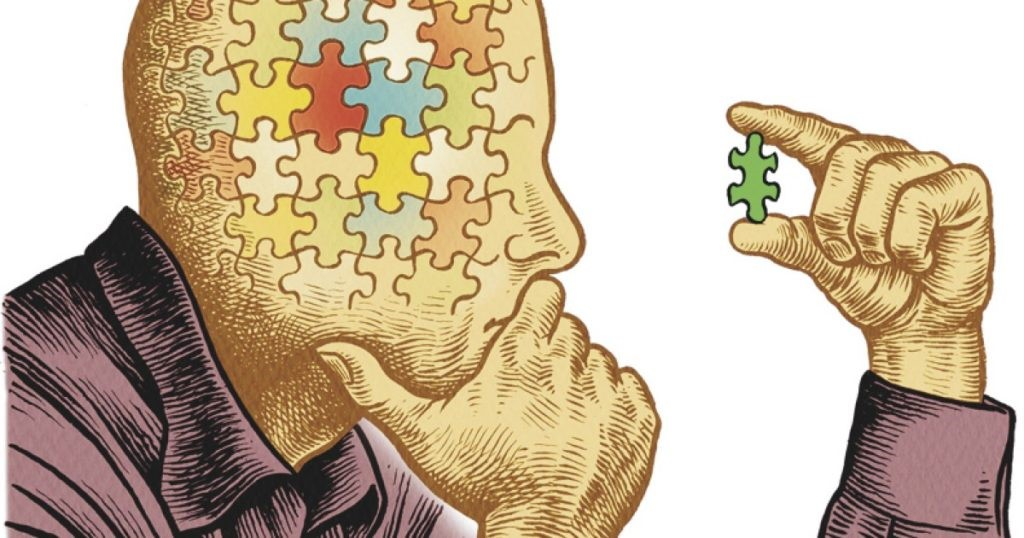
LOGIC means the subject of reasoning. One needs the ability to observe and think. But logic has not been a supported subject, and man is mostly unable to think. 

The function of logic is to reach right conclusions and take correct actions. Geometry, or mathematics, are utterly inadequate to address the complexity of human problems. Computers can’t think because the rules of live logic aren’t fully known to man and computer builders. One false datum fed into a computer gives one a completely wrong answer. Computers, at best, are only crutches to the mind.

The following principle provides a breakthrough in the subject of logic.

BY ESTABLISHING THE WAYS IN WHICH THINGS BECOME ILLOGICAL, ONE CAN THEN ESTABLISH WHAT IS LOGIC.

.

ILLOGIC

There are 5 primary ways for a relay of information or a situation to become illogical. 

  1. Omit a fact.
  2. Change sequence of events.
  3. Drop out time.
  4. Add a falsehood.
  5. Alter importance.

There are hundreds of ways these 5 mishandling of data can then give one a completely false picture.

REASON DEPENDS ON DATA. 

WHEN DATA IS FAULTY (as above) THE ANSWER WILL BE WRONG AND LOOKED UPON AS UNREASONABLE.

.

USING LOGIC

To achieve a logical answer one must have logical data. Therefore, logic must have several conditions:

  1. All relevant facts must be known.
  2. Events must be in actual sequence.
  3. Time must be properly noted.
  4. The data must be factual, which is to say true or valid.
  5. Relative importances amongst the data must be recognized by comparing the facts with what one is seeking to accomplish or solve.

It is a wise man who, confronted with conflicting data, realizes that he knows at least one thing—that he doesn’t know. 

Grasping that, he can then take action to find out.

.

DS 1 Summary

Reference: Data Series

Reference: Data Series 1R—THE ANATOMY OF THOUGHT

THE ANATOMY OF THOUGHT

SANITY IS THE ABILITY TO RECOGNIZE DIFFERENCES, SIMILAR ITIES AND IDENTITIES. This is also intelligence. 

DIFFERENT = Two or more facts or things that are totally unlike. They are not the same fact or same object. 

SIMILAR = Two or more facts or things that have something in common with one another. 

IDENTICAL = Two or more facts or things that have all their characteristics in common with one another.

.

SEMANTICS

Just because two identical objects exist in different locations, does not mean that they are different. In human communication, words mean the things they denote. In that sense the words and their meanings are the same. Of course, a word brings about a mental picture of what it means, and it depends on the context.

Therefore, a word should mean the same thing to everybody who uses it in the same context. But the subject of General Semantics makes the idea of communicating quite difficult, and it injures a person’s ability to communicate logically. 

In school, one is told, “You must study geometry because that is the way you think.” The subject of Geometry contains proofs of certain relationships in space. But you are not told about the assumptions that underlie those proofs. Without those assumption those proofs are not valid.

Not knowing this, a student gets a very straitjacketed idea of thinking. He does not get a complete picture of how the mind thinks. This kind of limited logic then leads to irrational conclusions in life. This leads to trouble in the society.

Hubbard’s gives examples of how people have been taught carefully to reach irrational conclusions.

.

PROPER DEFINITIONS

Thoughts are infinitely divisible into classes of thought. 

BASIC LAW = something to which one aligns other junior facts and actions.

FACT = something that can be proven to exist by visible evidence.

OPINION = something which may or may not be based on any facts.

A sloppy mind sees no difference between a FACT and somebody’s opinion. The basic law is so far senior to the fact that one could throw the fact away and be no poorer. When basics are conceived to be merely similar to incidental remarks, the person cannot understand a situation, or USE a subject he studies.

Individuals to whom differences are identities and identities are differences can muddle up an operation to a point where disaster is inevitable.

The need for all discipline can be traced back to the inability to think.

.

The Data Series (Scientology)

Reference: Subject: Logic

I have admired three valuable contributions of Scientology the most. These are
(1) The Phoenix Lectures,
(2) The Study technology, and
(3) The Data Series (see below).

I was trained on the Data Series Course supervised by L. Ron Hubbard’s wife, Mary Sue Hubbard on Flagship Apollo in 1973. Later I word cleared and crammed Flag executives on these materials. In this document, I shall list the original Data Series Policy Letters along with a brief summary.

NOTE: DS = Data Series; DS 1 = Data Series1

0. Overview: The Logic of Data Series

  1. Data Series 1: The Anatomy of Thought
    1. DS 1 Summary
  2. Data Series 2: Logic
    1. DS 2 Summary
    2. 2-1 Further Illogics
  3. Data Series 3: Breakthroughs
    1. DS 3 Summary
  4. Data Series 4: Data and Situation Analyzing 
    1. DS 4 Summary
  5. Data Series 5: Information Collection
    1. DS 5 Summary
  6. Data Series 6: Data Systems 
    1. DS 6 Summary
  7. Data Series 7: Familiarity
    1. DS 7 Summary
  8. Data Series 8: Sanity
    1. DS 8 Summary
  9. Data Series 9: Errors
    1. DS 9 Summary
  10. Data Series 10: The Missing Scene
    1. DS 10 Summary
  11. Data Series 11: The Situation
    1. DS 11 Summary
  12. Data Series 12: How to Find and Establish an Ideal Scene
    1. DS 12 Summary
  13. Data Series 13: Irrationality
    1. DS 13 Summary
  14. Data Series 14: Working and Managing
    1. DS 14 Summary
  15. Data Series 15: Wrong Target
    1. DS 15 Summary
  16. Data Series 16: Investigatory Procedure 
    1. DS 16 Summary
  17. Data Series 17: Narrowing the Target 
    1. DS 17 Summary
  18. Data Series 18: Summary of Out-Points 
    1. DS 18 Summary
  19. Data Series 19: The Real Why
    1. DS 19 Summary
  20. Data Series 20: More Outpoints
    1. DS 20 Summary
  21. Data Series 21: Data Series Auditing
  22. Data Series 22: The Why is God
    1. DS 22 Summary
  23. Data Series 23: Proper Format and Correct Action
    1. DS 23 Summary
  24. Data Series 24: Handling—Policy, Plans, Programs, Projects and Orders Defined 
    1. DS 24 Summary
  25. Data Series 25: Learning to Use Data Analysis 
    1. DS 25 Summary
  26. Data Series 26: Length of Time to Evaluate
  27. Data Series 27: Supplementary Evaluations
  28. Data Series 28: Checking Evals
    1. 28-1 Checking Evals Addition
    2. 28-2 Multiple Sit Eval Format
  29. Data Series 29: Outpoints, More
  30. Data Series 30: Situation Finding
  31. Data Series 31: Final Targets
    1. 31-1 Addition-Final Target Attachment
  32. Data Series 32: Target Troubles
  33. Data Series 33: Evaluation, Criticism of
  34. Data Series 34: Situation Correction
  35. Data Series 35: Eval Correction
  36. Data Series 36: Envisioning the Ideal Scene 
  37. Data Series 37: Whys Open the Door
  38. Data Series 38: Pluspoint List
  39. Data Series 39: Who-Where Finding 
  40. Data Series 40: The Ideal Org 
  41. Data Series 41: Evaluation
  42. Data Series 42: Date Coincidence
  43. Data Series 43: Evaluations and Programs
    1. 43-1. Evaluation Success
  44. Data Series 44: Super Evaluation
  45. Data Series 45: Examining Resources
  46. Data Series 46: The Ideal Ideal Scene
  47. Data Series 47: Cancellation
  48. Data Series 48: Data Series PLs, Use of
  49. Data Series 49: Execution of Evaluations
  50. Data Series 50: Out of Sequence
  51. Data Series 51: Perpetuating an Order
  52. Data Series 52: Facts
  53. Data Series 53: Outnesses
  54. Data Series 54: Evaluation

.

Patanjali Yoga Sutras Chapter 4

Reference: Patanjali Yoga Sutras

Chapter 4: Kaivalya Pada (On liberation)
Verses 4:1—4:34

Reference: THE SANSKRIT CHANNEL
Reference: The Sun of Sanskrit Knowledge

.

Sutra 1: Other sources of these powers and attainments
.
Sutras 2-6: The nature of birth and individuality
.
Sutras 7-11: The nature of Karma and Vasanas
.
Sutras 12-24: The origin of unique personalities
.
Sutras 25-34: How to go beyond individual experience

.

Summary of Samadhi Pada

All these siddhis need not be born out of samadhi only. They can also be born out of birth, drugs, mantra, and penance. The type of birth one receives is induced by unfilled tendencies. The unfilled tendencies combined with the sense of Individual Self give rises to Individual Minds. But these “minds” are actually one. They appear to be divided because they are engaged in different activities. 

The moment we see that, we realize that the “mind” has no intention of its own. The duality of good and bad, and the variations in between, do not really exist for the enlightened mind. The fact is that karma results in tendencies, which appear to be divided by time, place and birth. These tendencies are determined by memory and Samskaras, that are basically impressions. They are essentially the primal desire to live, which is eternal in nature. We may say that these samskaras (impressions) and vasanas (tendencies) are inherent to life. They are part of a framework of cause, result, recipient and support; and this framework must cease to exist before vasanas can cease to exist.

This present moment contains within it the past and the future because one’s nature can take diverging paths. This past and future can either manifest itself or stay latent, according to the nature of one’s guNas. Due to the uniqueness of these transformations, unique personalities are manifest. Life takes different paths because of the uniqueness of personalities and individuality of minds, even when they all are the same at the core. 

Things are observed only when they can be compared to each other. Therefore, the creation must be varied, and this requires different expressions of the mind. Something is known by the mind only when it is impressed upon it; otherwise, it is not known. The cyclical actions of the mind always remain the same; therefore, they are known to the superior sense of self. 

But that sense of self is not perceived because of the nature of seeing. Mind can either be engaged in seeing; or be established within itself. It cannot be both. If the mind could face itself, it would be like a mirror facing itself. It would result in a chain of perceptions regressing infinitely. This will mix up the memory and create confusion. Because the nature of the mind is always cyclical, the intellect becomes active only when forms are perceived. The mind fulfills all of its purposes when the Seer and the Seen within it become one. This is what the mind is seeking even when countless tendencies are knocking it here and there.

For the person who perceives everything completely, the very sense of self, and the feelings born out of it, cease to exist. It is then, that the mind becomes inclined towards true discernment, and gravitates towards the unity of the Seer and the Seen. Any gap in this discernment, leads to the emergence of thoughts and intentions as projections. This is the source of creation assisted by the storehouse of impressions. We address these gaps the same way that we addressed the obstacles before. 

We then attain a state of discernment where one is not entangled even with the attainments. This realization extinguishes both the causes of suffering and the cycle of cause and effect. Once all the veils and impurities concealing truth are washed away, one’s insight becomes boundless, resulting in very little that is left to know. guNas are there to bring knowledge through transformations. 

Now that their purpose is fulfilled, guNas stop the series of transformations among themselves. One then comes to realize the process of life as consisting simply of these gaps and projections. With the state of Oneness achieved, there are qualities that have absolutely no intentions associated with them. One is simply established in one’s true self enjoying the power of Consciousness (chitishakti).

.

Sutra 1: Other sources of these powers and attainments

जन्मौषधिमन्त्रतपःसमाधिजाः सिद्धयः॥१॥
Janmauṣadhimantratapaḥsamādhijāḥ siddhayaḥ ||1||

siddhis=‘Attainments’ are born out of janma=‘Birth’, auShadhi=‘Medicinal Herbs’, mantra=‘Incantations’, tapa=‘Penance’, and samAdhi=‘Equanimity’. (1)

All these siddhis need not be born out of samadhi only. They can also be born out of birth, medication, mantra, and penance.

.

Sutras 2-6: The nature of birth and individuality 

जात्यन्तरपरिणामः प्रकृत्यापूरात्॥२॥
Jātyantarapariṇāmaḥ prakṛtyāpūrāt ||2||

jAti=‘Kind of Birth’ keeps transforming based on one’s unfulfilled tendencies. (2)

As one leaves one body to the next, the kind of birth that keeps transforming is based on one’s unfulfilled tendencies.

.

निमित्तमप्रयोजकं प्रकृतीनां वरणभेदस्तु ततः क्षेत्रिकवत्॥३॥
Nimittamaprayojakaṁ prakṛtīnāṁ varaṇabhedastu tataḥ kṣetrikavat ||3||

The path these tendencies take are nimitta=‘Inducers’ of birth, and aprayojaka=‘Not the Cause’ of it, similar to how a farmer induces cop production, but is not the cause of it. (3)

Differences in choice of birth and where one is born is determined in the process of fulfilling one’s nature. But these tendencies are not the direct cause of death and birth; instead they simply induce those processes.

.

निर्माणचित्तान्यस्मितामात्रात्॥४॥
Nirmāṇacittānyasmitāmātrāt ||4||

chittAni=‘Individual Minds’ are created merely by identification with asmitA=’Sense of Individual Self’. (4)

Just because of the sense of individual self, individual minds come into existence.

.

प्रवृत्तिभेदे प्रयोजकं चित्तमेकमनेकेषाम्॥५॥
Pravṛttibhede prayojakaṁ cittamekamanekeṣām ||5||

These individual minds of the many are in fact one, but seem divided due to being employed in different kinds of activity. (5)

The minds that are being individually put to use in different kind of actions and tendencies, are actually one.

.

तत्र ध्यानजमनाशयम्॥६॥
Tatra dhyānajamanāśayam ||6||

And by meditation upon this truth is born anAshaya=‘Lack of Intentions’. (6)

As soon as we identify the truth that this chitta is one, and that we have captured only a piece of it as our individual chitta, we become equanimous toward all intentions, with no specific intention of our own.

.

Sutras 7-11: The nature of Karma and Vasanas 

कर्माशुक्लाकृष्णं योगिनस्त्रिविधमितरेषाम्॥७॥
Karmāśuklākṛṣṇaṁ yoginastrividhamitareṣām ||7||

karma=‘Actions’ are ashukla=’Not Bright’ and akRShNa=’Not Dark’ for the yogis; but for others it is of three kinds: Bright, Dark and Gray. (7)

Bright (white) and black represent the duality of characteristics, such as, good-bad, pleasant-unpleasant etc. Such duality, with a mixture of both (gray) in between, may exist for others; but it does not exist for the yogis.

.

ततस्तद्विपाकानुगुणानामेवाभिव्यक्तिर्वासनानाम्॥८॥
Tatastadvipākānuguṇānāmevābhivyaktirvāsanānām ||8||

In that threefold division of activity, based on the result of those actions, vAsana=‘Tendencies’ are manifest. (8)

Tendencies are manifested based on the ripening of pleasant, unpleasant, or mixed activities.

.

जातिदेशकालव्यवहितानामप्यानन्तर्यं स्मृतिसंस्कारयोरेकरूपत्वात्॥९॥
Jātideśakālavyavahitānāmapyānantaryaṁ smṛtisaṁskārayorekarūpatvāt ||9||

This manifestation is a continuous process, even if it seems divided by jAti=‘Birth’, desha=‘Location’, and kAla=’Time’. This is due to the unity of form between smRti=‘Memory’ and samskAra=‘Tendencies’. (9)

Both Memory and Samskara are impressions; except that memory is assimilated while samskaras are unassimilated. But both have the same form; and because of this, the various tendencies, though seemingly divided by time, place and birth, have continuity among them.

.

तासामनादित्वं चाशिषो नित्यत्वात्॥१०॥
Tāsāmanāditvaṁ cāśiṣo nityatvāt ||10||

These tendencies are origin-less, due to the eternal nature of AshiSh=‘Primordial Desire to Live’. (10)

For these tendencies there is no beginning as such. It is not that they are born at one particular time and then go away. They are inherent in the very functioning of the creation. This is so because of the eternal nature of this primal will. This is desire at the fundamental level of two things coming together. At elemental level there is affinity for elements to come together and bond to each other, like electron to the nucleus, or earth to the sun. Life is this affinity or desire. Because of this will to exist at the very fundamental level, these vasanas and samskaras do not have any particular point of origin. They are inherent to life.

.

हेतुफलाश्रयालम्बनैः सङ्गृहीतत्वादेषामभावे तदभावः॥११॥
Hetuphalāśrayālambanaiḥ saṅgṛhītatvādeṣāmabhāve tadabhāvaḥ ||11||

This framework is held together through hetu=‘Cause’, phala=‘Result’, Ashraya=‘Recipient’, and Alambana=’Support’. Once these cease to exist, the tendencies too cease to exist. (11)

Such tendencies may be without origin but they can stop to exist. There is a cause, and there is an effect. There is a source, and there is a recipient. There is a whole framework of support. When the source stops to exist, the recipient  stops to exist too. If we want these innate tendencies to go away, we simply take away the whole framework made of karma, its nature of being pleasant or unpleasant, its ripening into vasanas (lack of assimilation), that leads to the formation of smriti (memory) and samskaras (latent impressions). The basis of all this is likes and dislikes.

.

Sutras 12-24: The origin of unique personalities

अतीतानागतं स्वरूपतोऽस्त्यध्वभेदाद्धर्माणाम्॥१२॥
Atītānāgataṁ svarūpato’styadhvabhedāddharmāṇām ||12||

The past and the future in fact exist distinctly within the present form, due to the difference in adhva=‘Path’ of their dharmas=‘Properties’. (12)

Because one’s nature can take diverging paths, this present moment contains within it the past and the future. 

.

ते व्यक्तसूक्ष्मा गुणात्मानः॥१३॥
Te vyaktasūkṣmā guṇātmānaḥ ||13||

They are either manifest or lay subtle, according to the nature of one’s guNas. (13)

The imprints of the past and the future can either manifest in the present moment or they can remain dormant and subtle, according to one’s characteristics. This demonstrates the control one has on this particular moment.

.

परिणामैकत्वाद्वस्तुतत्त्वम्॥१४॥
Pariṇāmaikatvādvastutattvam ||14||

Due to the uniqueness of these transformations, unique personalities are manifest. (14)

The transformations we go through are not the same from one individual to the next. They are unique to the person. Therefore, these transformation lead to unique personalities in individuals.

.

वस्तुसाम्ये चित्तभेदात्तयोर्विभक्तः पन्थाः॥१५॥
Vastusāmye cittabhedāttayorvibhaktaḥ panthāḥ ||15||

These unique personalities and differentiation in Individual minds, result in different life paths, even if they are all the same at the core. (15)

Even if two entities are same; they can take completely different paths because their chitta has different possibilities of manifesting.

.

न चैकचित्ततन्त्रं वस्तु तदप्रमाणकं तदा किं स्यात्॥१६॥
Na caikacittatantraṁ vastu tadapramāṇakaṁ tadā kiṁ syāt ||16||

The mechanism of creation cannot happen with a single expression of Mind. What could ever happen when there is nothing to be observed in comparison to the other. (16)

What can even happen when chitta remains undivided as just one? As there would be nothing else to compare it with.

.

तदुपरागापेक्षित्वाच्चित्तस्य वस्तु ज्ञाताज्ञातम्॥१७॥
Taduparāgāpekṣitvāccittasya vastu jñātājñātam ||17||

Something is only known by a Mind it has colored, or made an impression on; otherwise, it is not known. (17)

Only when the mind is impressed by something that it comes to know it.

.

सदा ज्ञाताश्चित्तवृत्तयस्तत्प्रभोः पुरुषस्यापरिणामित्वात्॥१८॥
Sadā jñātāścittavṛttayastatprabhoḥ puruṣasyāpariṇāmitvāt ||18||

The cyclical actions of the mind are always known to that superior sense of self, due to its nature of being un-transforming. (18)

The activities of chitta are always known by the self within, because that self is unchanging.

.

न तत्स्वाभासं दृश्यत्वात्॥१९॥
Na tatsvābhāsaṁ dṛśyatvāt ||19||

That is not perceived to one’s own self, due to the nature of external sight. (19)

Because of the nature of seeing, Self cannot perceive itself.

.

एकसमये चोभयानवधारणम्॥२०॥
Ekasamaye cobhayānavadhāraṇam ||20||

And since, both these perceptions can not be held at once. (20)

Both of these perceptions cannot be held at the same time. Self can either be engaged in the constant activity, or it can be established within itself.

.

चित्तान्तरदृश्ये बुद्धिबुद्धेरतिप्रसङ्गः स्मृतिसङ्करश्च॥२१॥
Cittāntaradṛśye buddhibuddheratiprasaṅgaḥ smṛtisaṅkaraśca ||21||

If chitta=‘Mind’ which is like a mirror, were possible to be seen by itself, the chain of such perceptions would regress infinitely, mixing up and confusing smRti=‘Memory’. (21)

A perceiving instrument cannot perceive itself because such an attempt would lead to infinite regression that would jumble up all the memory.

.

चितेरप्रतिसङ्क्रमायास्तदाकारापत्तौ स्वबुद्धिसंवेदनम्॥२२॥
Citerapratisaṅkramāyāstadākārāpattau svabuddhisaṁvedanam ||22||

Due to the apratisankrama=‘Unchanging Nature’ of chitta=‘Mind’ when the perception of forms is born, that is when one feels the activity of buddhi=‘Faculty of Intellect’. (22)

When the activity of chitta comes to a standstill only then its form is perceived. Once that happens one gets to know the form, or even the presence, of one’s intellect.

.

द्रष्टृदृश्योपरक्तं चित्तं सर्वार्थम्॥२३॥
Draṣṭṛdṛśyoparaktaṁ cittaṁ sarvārtham ||23||

The mind on which both the draShTR=’Seer’ and dRshyam=‘That which is seen’ are imprinted upon, fulfills all of its purposes. (23)

A chitta, which has now come to a standstill, and is colored by both the seer and the seen, fulfills all its purposes. In other words, it reaches its full potential under these circumstances.

.

तदसङ्ख्येयवासनाभिश्चित्रमपि परार्थं संहत्यकारित्वात्॥२४॥
Tadasaṅkhyeyavāsanābhiścitramapi parārthaṁ saṁhatyakāritvāt ||24||

Even after being imprinted upon by countless latent tendencies, its purpose is something else, due to the nature of being employed by it. (24)

Even when this chitta is being constantly bombarded by innumerable tendencies on a daily basis, it has some other purpose.

.

Sutras 25-34: How to go beyond individual experience

विशेषदर्शिन आत्मभावभावनाविनिवृत्तिः॥२५॥
Viśeṣadarśina ātmabhāvabhāvanāvinivṛttiḥ ||25||

For the one who perceives everything completely, the very sense of self, and the feelings born out of it, cease to exist. (25)

For one who has this specialized sense of perception, the very sense of individual self (that I am separate from things in my surroundings) ceases to exist.

.

तदा विवेकनिम्नङ्कैवल्यप्राग्भारञ्चित्तम्॥२६॥
Tadā vivekanimnaṅkaivalyaprāgbhārañcittam ||26||

It is then, that chitta=‘Mind’ becomes inclined towards true discernment, and gravitates towards kaivalya=‘Unity’. (26)

And then by employing that discernment, one’s chitta gravitates towards kaivalyam.

.

तच्छिद्रेषु प्रत्ययान्तराणि संस्कारेभ्यः॥२७॥
Tacchidreṣu pratyayāntarāṇi saṁskārebhyaḥ ||27||

Any gap in this discernment, lead to the emergence of various thoughts and intentions, from the storehouse of latent impressions. (27)

When chitta is gravitating toward kaivalyam, and there are gaps in that discernment, those latent impressions start to act up again. These obstacles are the very framework of creation itself, and one has to break through them.

.

हानमेषां क्लेशवदुक्तम्॥२८॥
Hānameṣāṁ kleśavaduktam ||28||

The process to overcome these is similar to the process of overcoming kleshas=‘Obstacles’ as mentioned before. (28)

When Samskaras become kleshas, quelling them is very similar to how we put aside kleshas before.

.

प्रसङ्ख्यानेऽप्यकुसीदस्य सर्वथा विवेकख्यातेर्धर्ममेघः समाधिः॥२९॥
Prasaṅkhyāne’pyakusīdasya sarvathā vivekakhyāterdharmameghaḥ samādhiḥ ||29||

When one is not entangled with even the highest states of attainment, such distinguished discernment is called as dharma-megha-samAdhi=‘State of Equanimity that Liberates from One’s Very Own Nature.’ (29)

This sutra describes a specialized state of samadhi, which is even beyond the Nirbija samadhi. This is called dharma-megha-samAdhi. In this state one doesn’t feel attached to these exalted states of being, even after attaining them, and is able to put them aside. Then the illumination of the mind happens in all possible ways. One is liberated even from one’s very own nature. One is not human any more.

.

ततः क्लेशकर्मनिवृत्तिः॥३०॥
Tataḥ kleśakarmanivṛttiḥ ||30||

This realization extinguishes both the causes of suffering and the cycle of cause and effect. (30)

One is now free from all the shackles of klesha, karma and compulsive activities.

.

तदा सर्वावरणमलापेतस्य ज्ञानस्यानन्त्याज्ज्ञेयमल्पम्॥३१॥
Tadā sarvāvaraṇamalāpetasya jñānasyānantyājjñeyamalpam ||31||

Once all the veils and impurities concealing truth are washed away, one’s insight becomes boundless, resulting in very little that is left to know. (31)

Then all the veils of impurity that surround the self have gone away, resulting in limitless knowing, and hardly anything left to be known. 

.

ततः कृतार्थानां परिणामक्रमसमाप्तिर्गुणानाम्॥३२॥
Tataḥ kṛtārthānāṁ pariṇāmakramasamāptirguṇānām ||32||

Then, once their purpose is fulfilled, guNas=‘Qualities’ stop the series of transformations among themselves. (32)

Gunas are there to bring knowledge through transformations. Their purpose is now fulfilled with this unbounded awareness. So, their transformations that lead to the performance of activities is now finished.

.

क्षणप्रतियोगी परिणामापरान्तनिर्ग्राह्यः क्रमः॥३३॥
Kṣaṇapratiyogī pariṇāmāparāntanirgrāhyaḥ kramaḥ ||33||

At the end of these transformations this continuous flow can be grasped as actually being a collection of discrete moments. (33)

This life as we experience it is a continuous process. But when the transformation of gunas stops happening, one realizes that this continuous flow actually comprises of discrete moments. It could be that the discreteness was hidden under automatic mental projections covering the gaps. Now one comes to recognize these projections and the gaps.

.

पुरुषार्थशून्यानां गुणानां प्रतिप्रसवः कैवल्यं स्वरूपप्रतिष्ठा वा चितिशक्तिरिति॥३४॥
Puruṣārthaśūnyānāṁ guṇānāṁ pratiprasavaḥ kaivalyaṁ svarūpapratiṣṭhā vā citiśaktiriti ||34||

The outcome of qualities that have absolutely no intentions associated with them, is called as kaivalya, and establishment in one’s true self, is called as chitishakti=‘The Power of Consciousness’. (34)

Gunas, which no longer have any purpose, and have no pursuit left, come from the state of oneness with the power of creation. Such a state of being established in oneself is called chiti-shakti. The divinity within oneself finds its fullest expression in this state of kaivalya.

.

Patanjali Yoga Sutras Chapter 3

Reference: Patanjali Yoga Sutras

Chapter 3: Vibhooti Pada (Supernatural powers)
Verses 3:1- 3:55

Reference: THE SANSKRIT CHANNEL
Reference: The Sun of Sanskrit Knowledge

Sutras (1-3) – Dharana, Dhyana, Samadhi
.
Sutras (4-8) – The Nature of Samyama
.
Sutras (9-16) – Series of Transformations
.
Sutras (17-55) – Enhanced States of Being

.

Summary of Vibhooti Pada

The first three sutras of this chapter describe the concentration of attention, deepening with contemplation and meditation, such that it becomes like a laser beam that may be directed at anything. Samyama is the generation of this laser beam-like focused attention. When this attention is directed at things it gives rise to pure perception and super experiences.

The first effect of samyama is the gradual decay of impressions that have existed in the mind for a long time. This makes the fluctuations in mental state disappear, which then becomes equanimous. This is accompanied by many internal transformations at a fundamental level. This simplifies the personality and one becomes increasingly enlightened.

Practice of samyama on name, meaning and reality of things brings about true understanding of them. Samyama on long existing impressions brings their contents to awareness. With samyama on the state of being, one obtains the knowledge about the nature of other minds.

Samyama on a physical form is like “looking through” that form. It makes that form disappear because one perceives what is there at a more fundamental level. One can bring this about in others. Samyama on actions bring to awareness their immediate and long-term consequences. This awareness extends to the knowledge of oncoming difficulties and what lies beyond this life. Essentially, when you apply samyama to something, it enables you to acquire knowledge and understanding with which to develop inner abilities, much like gaining external comforts through science. 

The ultimate samyama is on the nature of self, which brings one to the realization of true Self. This leads to heightened senses. One’s mind can enter another body. One can walk over water, sludge, thorns, etc. One can travel through space. Here we seem to be looking at an extension of some subtle aspects of the mind-body system.

Soon one transcends all concerns of the body-mind system and becomes concentrated entirely on the cyclical tendencies coming down from generations. Thus, one gains mastery over the elements of creation. One then attains to the knowledge of everything, and supremacy over all states of being.

When one no longer has attention on even these two highly coveted attainments, the very seeds of afflictions dissipate. This propels one to the state of true unity, where one grasps the continuity among all things. This is the state of kaivalyam.

.

Sutras (1-3) – Dharana, Dhyana, Samadhi

देशबन्धश्चित्तस्य धारणा॥१॥
Deśabandhaścittasya dhāraṇā ||1||

dhAraNA=‘Concentration’ is binding the chitta=‘Mind’ fixedly in one place. (1)

Dharana means confinement of the mind to one place, whether physical, mental, objective, subjective or visionary. When the mind is concentrated on one place, perception of that place becomes intense.

.

तत्रप्रत्ययैकतानता ध्यानम्॥२॥
Tatra pratyayaikatānatā dhyānam ||2||

In such state of concentration, steady one-pointedness of being is dhyAna=‘Meditation’. (2)

Dharana turns into dhyana when there is no break or interruption in one’s concentration, and it has become continuous. In dhyana, you are conscious of just an idea, a sound, or any object, subtle or gross, which is called pratyaya, but there is also the consciousness of “I”—that I am in dhyana.  

.

तदेवार्थमात्रनिर्भासं स्वरूपशून्यमिव समाधिः॥३॥
Tadevārthamātranirbhāsaṁ svarūpaśūnyamiva samādhiḥ ||3||

That state, where only the essence of the being shines forth as if there is no form, is called as samAdhi=‘Equanimity’. (3)

Dhyana turns into samadhi when the consciousness of self disappears, and only an unbroken, continuous concentration on the object of focus remains. This object becomes clearer and clearer, as the filters in the mind fall away with deeper stages of samadhi. 

.

Sutras (4-8) – The Nature of Samyama

त्रयमेकत्र संयमः॥४॥
Trayamekatra saṁyamaḥ ||4||

All these three at once, is called as samyama. (4)

Samyama (संयम) means “control of the senses, self-control.” It consists of dhāranā (concentration), dhayāna (meditation) and samadhi (absorption). The application of samyama to different objects or thoughts gives rise to psychic powers called vibhootis. In this state, one is able to see things as they are in real time without any filters of the mind or self.

.

तज्जयात्प्रज्ञालोकः॥५॥
Tajjayātprajñālokaḥ ||5||

Through the mastery of samyama, one enters the realm of prajnA=‘Pure Perception’. (5)

Prajna (प्रज्ञा) refers to intuition; revelation; intuitive knowledge, and Aloka means, of what you see. prajñālokaḥ means oerception that is empowered by true knowledge. You acquire it, as you master samyama.

.

तस्य भूमिषु विनियोगः॥६॥
Tasya bhūmiṣu viniyogaḥ ||6||

The application of this prajnA is done in stages. (6)

The perception empowered by true knowledge finds application in multiple fields. You can penetrate any field of study with that perception.

.

त्रयमन्तरङ्गं पूर्वेभ्यः॥७॥
Trayamantaraṅgaṁ pūrvebhyaḥ ||7||

These three components of yoga are inward oriented, compared to the previous five, among the eight components of yoga. (7)

The first five parts of yoga (yama, niyama, asana, pranayama and pratyahara) belong to our personal habits; they are considered external disciplines. But dharana, dhyana and samadhi together constitute the internal disciplines.

.

तदपि वहिरङ्गं निर्वीजस्य॥८॥
Tadapi vahiraṅgaṁ nirvījasya ||8||

But even these are considered outward compared to the state of nirbIja-SamAdhi=’State of Causeless Equanimity’. (8)

To one who is in nirbIja-SamAdhi, even these there stats of dharana, dhyana and samadhi feel like external activities.

.

Sutras (9-16) – Series of Transformations

व्युत्थाननिरोधसंस्कारयोरभिभवप्रादुर्भावौ निरोधक्षणचित्तान्वयो निरोधपरिणामः॥९॥Vyutthānanirodhasaṁskārayorabhibhavaprādurbhāvau nirodhakṣaṇacittānvayo nirodhapariṇāmaḥ ||9||

As a result of the practice of control over the mind, inherent tendencies of thought-generation and thought-suppression alternate rapidly during the moments of control. (9)

When the eight limbs of yoga are practiced a certain transformation starts to occur. There is a profound change in the mental states at that moment. The impressions of these compulsive cycles appear and disappear rapidly. For example, a latent impression appears; but the moment it is perceived in its totality, it disappears. Then another impression appears, and the cycle repeats. This happens until all latent impressions are exhausted.

.

तस्य प्रशान्तवाहिता संस्कारात्॥१०॥
Tasya praśāntavāhitā saṁskārāt ||10||

This process becomes a calm flow, by internalizing it through repeated practice.(10)

As that cycle of appearance and disappearance of impressions becomes rapid fluctuations, it ultimately turns into a calm flow.

.

सर्वार्थतैकाग्रतयोः क्षयोदयौ चित्तस्य समाधिपरिणामः॥११॥
Sarvārthataikāgratayoḥ kṣayodayau cittasya samādhipariṇāmaḥ ||11||

As a result of the decline of sarvArtha=‘Interest in All Worldly Nature’ and the onset of aikAgrya=‘One-Pointedness’, the state of samAdhi=‘Equanimity’ sets into the chitta=‘Mind’. (11)

The transformation that comes about through samadhi is the decay of interest in all worldly nature, and the rising of one-pointedness.

.

ततः पुनः शान्तोदितौ तुल्यप्रत्ययौ चित्तस्यैकाग्रतापरिणामः॥१२॥
Tataḥ punaḥ śāntoditau tulyapratyayau cittasyaikāgratāpariṇāmaḥ ||12||

And then again, as a result of the onset of the aikAgrya=‘One-Pointedness’ of chitta=‘Mind’, various states-of-being that rise and fall, become equanimous. (12)

In samAdhi, the transformation results in one-pointedness; and, in one-pointedness, the transformation results in equanimity of the states of being.

.

एतेन भूतेन्द्रियेषु धर्मलक्षणावस्थापरिणामा व्याख्याताः॥१३॥
Etena bhūtendriyeṣu dharmalakṣaṇāvasthāpariṇāmā vyākhyātāḥ ||13||

Due to these, the internal transformations of dharma=‘Nature’, lakShaNa=‘Behavior’, and avasthA=‘Conditions’ occur at the very level of bhUta=‘Elements’ and indriya=‘Senses’. (13)

Through the equanimity of the states of being, transformations in one’s nature, behavior and state are brought about at the very fundamental genetic level.

.

शान्तोदिताव्यपदेश्यधर्मानुपाती धर्मी॥१४॥
Śāntoditāvyapadeśyadharmānupātī dharmī ||14||

dharmI=‘A Subject of Change’ undergoes transformation which follow the rise, fall or constancy of one’s dharma=‘Nature’. (14)

The dharmI is that which undergoes the transformations in nature. In other words, the rise, fall or constancy of personality is being transformed.

.

क्रमान्यत्वं परिणामान्यत्वे हेतुः॥१५॥
Kramānyatvaṁ pariṇāmānyatve hetuḥ ||15||

Any difference in the sequence of practices, results in a difference in the sequence of transformations. (15)

Not everybody goes through the same series of transformations in Yoga. They are different for different people. This happens because of the difference in the sequence one performs the practices of Yoga.

.

परिणामत्रयसंयमादतीतानागतज्ञानम्॥१६॥
Pariṇāmatrayasaṁyamādatītānāgatajñānam ||16||

Once these three transformations occur, one attains to the knowledge of the beyond, that is not yet in one’s reach. (16)

Because of the three transformations in nature, characteristics, and state, one gains the knowledge of the past and the future. It is noted that different kind of self-control over senses brings about different kind of transformations (attainments and powers). But such attainments should not be the goal of the practice of Yoga.

.

Sutras (17-55) – Enhanced States of Being

शब्दार्थप्रत्ययानाचमतरेतराध्यासात् सङ्करस्तत्प्रचवभागसांयमात्सवथभूतरुतज्ञानम्॥१७॥
Śabdārthapratyayānāmitaretarādhyāsātsaṅkarastatpravibhāgasaṁyamātsarvabhūtarutajñānam ||17||

By separating the jumbled up nature of sound, meaning and perception, and focusing on these three, one attains to the knowledge of the sounds pertaining to all creation. (17)

There are three characteristics of any entity—it exists, it is denoted by a sound, and there is a meaning attached to that sound. All of these three, seeming to be distinct from each other, get mixed up. By separating them and then doing samyama on on each one of them, the knowledge of the sounds of all creation is gained.

.

संस्कारसाक्षात्करणात्पूर्वजातिज्ञानम्॥१८॥
Saṁskārasākṣātkaraṇātpūrvajātijñānam ||18||

By realizing one’s latent tendencies, one attains to the knowledge of previous lifetimes. (18)

When one confronts the impressions in one’s mind, which have come from previous lifetimes, one come’s to know their content.

.

प्रत्ययस्य परचित्तज्ञानम्॥१९॥
Pratyayasya paracittajñānam ||19||

By realizing the nature of one’s thoughts, one attains to the knowledge of other minds as well. (19)

By realizing or perceiving the state of being, one gains the knowledge of other minds.

.

न च तत्सालम्बनं तस्याविषयीभूतत्वात्॥२०॥
Na ca tatsālambanaṁ tasyāviṣayībhūtatvāt ||20||

But that knowledge doesn’t convey the object of thought in one’s mind, since they do not have a separate existence of their own. (20)

That knowledge of other mind is limited to what the thoughts are. The object of their thoughts is not perceived, because the thoughts are not exactly dependent upon what they are directed towards. It is like knowing the program but not what that program is being applied to at any moment.

.

कायरूपसंयमात्तद्ग्राह्यशक्तिस्तम्भे चक्षुःप्रकाशासम्प्रयोगेऽन्तर्धानम्॥२१॥
Kāyarūpasaṁyamāttadgrāhyaśaktistambhe cakṣuḥprakāśāsamprayoge’ntardhānam ||21||

Through samyama on one’s physical form, suspending the energy thus generated, and uncoupling it with the light perceived through the eyes, one attains the ability to suspend vision. (21)

By performing samyama on the physical form of the body, holding that energy and thickening it, and not letting eyes and light work together, invisibility comes about.

.

सोपक्रमं निरुपक्रमं च कर्म तत्संयमादपरान्तज्ञानमरिष्टेभ्यो वा॥२२॥
Sopakramaṁ nirupakramaṁ ca karma tatsaṁyamādaparāntajñānamariṣṭebhyo vā ||22||

Through samyama over the two types of karma=‘Actions’, which are sopakrama=‘Which are immediately manifest’, and nirupakrama=‘Which are not immediately manifest’, one attains to the knowledge beyond the end of life, and of the bad omens and signs. (22)

This is the samyama on active and dormant actions that leads to the knowledge of beyond the end, and bad omens (signs of oncoming difficulties).

.

मैत्र्यादिषु बलानि॥२३॥
Maitryādiṣu balāni ||23||

Through samyama over qualities like friendliness, one is imbued with many strengths. (23)

Samyama may be applied to different things. Here it is being applied to friendliness.

.

बलेषु हस्तिबलादीनि॥२४॥
Baleṣu hastibalādīni ||24||

Through samyama over these strengths one attains to the strength like that of an elephant and so on. (24)

Among those many strengths, you get the strength of that, such as, an elephant, on which samyama is being performed.

.

प्रवृत्त्यालोकन्यासात्सूक्ष्मव्यवहितविप्रकृष्टज्ञानम्॥२५॥
Pravṛttyālokanyāsātsūkṣmavyavahitaviprakṛṣṭajñānam ||25||

Through samyama over the origin and purview of action, one attains to the knowledge of that which is SUkShma=’Subtle’, vyavahita=‘Hidden’, and viprakRShTa=‘Distant’. (25)

Here samyama is putting (nyAsa न्यास) an activity (Pravṛtti प्रवृत्ति) under close supervision (Aloka आलोक). This leads to subtle knowledge about what is hidden and distant.

.

भुवनज्ञानं सूर्ये संयमात्॥२६॥
Bhuvanajñānaṁ sūrye saṁyamāt ||26||

Through samyama over sUrya=’Sun’, one attains to the knowledge of the entire World. (26)

This is self-explanatory.

.

चन्द्रे ताराव्यूहज्ञानम्॥२७॥
Candre tārāvyūhajñānam ||27||

Through samyama over chandra=‘Moon’, one attains to the knowledge of the layout of the stars. (27)

This is self-explanatory.

.

ध्रुवे तद्गतिज्ञानम्॥२८॥
Dhruve tadgatijñānam ||28||

Through samyama over dhruva=‘Pole Star’, one attains to the knowledge of the movement of the stars. (28)

This is self-explanatory.

.

नाभिचक्रे कायव्यूहज्ञानम्॥२९॥
Nābhicakre kāyavyūhajñānam ||29||

Through samyama over nAbhi-chakra=’Naval Chakra’, which is the maNipUraka, one attains to the knowledge of the layout of the physical body. (29)

This is self-explanatory.

.

कण्ठकूपे क्षुत्पिपासानिवृत्तिः॥३०॥
Kaṇṭhakūpe kṣutpipāsānivṛttiḥ ||30||

Through samyama over KaNTha-kUpa=‘Pit of the Throat’, which is the vishuddhi chakra, hunger and thirst are stopped. (30)

This is self-explanatory.

.

कूर्मनाड्यां स्थैर्यम्॥३१॥
Kūrmanāḍyāṁ sthairyam ||31||

Through samyama over kUrmanADi, which is one of the major energy pathways in the body, one attains to stability. (31)

This is self-explanatory.

.

मूर्धज्योतिषि सिद्धदर्शनम्॥३२॥
Mūrdhajyotiṣi siddhadarśanam ||32||

Through samyama over the light in the center of the forehead, visions of the siddhas manifest. (32)

This is self-explanatory.

.

प्रातिभाद्वा सर्वम्॥३३॥
Prātibhādvā sarvam ||33||

Or, all these attainments may happen in a flash of spontaneous illumination. (33)

This is self-explanatory.

.

हृदये चित्तसंवित्॥३४॥
Hṛdaye cittasaṁvit ||34||

Through samyama on hRdaya=‘Heart’, which corresponds to the anAhata chakra, one understands the true nature of chitta=‘Mind’. (34)

This is self-explanatory.

.

सत्त्वपुरुषयोरत्यन्तासङ्कीर्णयोः प्रत्ययाविशेषो भोगः परार्थत्वात्स्वार्थसंयमात्पुरुषज्ञानम्॥३५॥
Sattvapuruṣayoratyantāsaṅkīrṇayoḥ pratyayāviśeṣo bhogaḥ parārthatvātsvārthasaṁyamātpuruṣajñānam ||35||

bhoga=‘Experience’ is a generic state, which is an outcome of utter non-unity between sattva=‘Fundamental essence of nature’ and puruSha=’True sense of Self’. By shifting this outward focus of the self inwards, and through samyama over it, one attains to the true knowledge of puruSha. (35)

The experience (taking in sensory inputs) and the true knowledge of self is being described here. Experience is the generic state of being, which is an outcome of extreme separation of the sense of nature and the sense of self. By moving that experience from belonging to other things to being part of the self through samyama, one attains to the knowledge of true self.

.

ततः प्रातिभश्रावणवेदनादर्शास्वादवार्ता जायन्ते॥३६॥
Tataḥ prātibhaśrāvaṇavedanādarśāsvādavārtā jāyante ||36||

And from there arise brightened senses of shrAvaNa=‘Hearing’, vedana=’Touch’, Adarsha=Sight’,AsvAda=‘Taste’ and vArtta=’Smell’. (36)

When the knowledge of true self is attained, these five senses (hearing, touch, sight, taste and smell) become heightened and illuminated.

.

ते समाधावुपसर्गा व्युत्थाने सिद्धयः॥३७॥
Te samādhāvupasargā vyutthāne siddhayaḥ ||37||

These enhanced senses are obstacles when one is in the state of samAdhi, and are attainments when one is out of it. (37)

When these siddhis (psychic powers) come about (as byproducts), they only act as obstacles in one’s samAdhi.

.

बन्धकारणशैथिल्यात्प्रचारसंवेदनाच्च चित्तस्य परशरीरावेशः॥३८॥
Bandhakāraṇaśaithilyātpracārasaṁvedanācca cittasya paraśarīrāveśaḥ ||38||

By relaxing one’s bondage with the physical body, and enhancing one’s mobility within, one’s chitta=‘Mind’ can enter another physical body. (38)

One’s mind can enter another body. This is done by loosening the ties of that which ties up one’s own self with the body, and by enabling that movement.

.

उदानजयाज्जलपङ्ककण्टकादिष्वसङ्ग उत्क्रान्तिश्च॥३९॥
Udānajayājjalapaṅkakaṇṭakādiṣvasaṅga utkrāntiśca ||39||

By mastering udAna=‘The buoyant aspect of prANa’, one can move untouched over jala=‘Water’, panka=’Sludge’, kaNTaka=‘Thorns’ etc. (39)

One’s physical body can pass over these obstacle (water, sludge, thorns, etc.) through mastery over the buoyancy aspect of prAna.

.

समानजयाज्ज्वलनम्॥४०॥
Samānajayājjvalanam ||40||

By mastering SamAna=‘The assimilative aspect of prANa’, one attains to radiance. (40)

SamAna is the transactory prAna, which moves energy from one part to the other. It is the vehicle of movement. By mastery over samAna one begets radiance.

.

श्रोत्राकाशयोः सम्बन्धसंयमाद्दिव्यं श्रोत्रम्॥४१॥
Śrotrākāśayoḥ sambandhasaṁyamāddivyaṁ śrotram ||41||

Through samyama over the relationship between shrotra=’Sense of Hearing’ and AkAsha=’Space’, one attains to a divine faculty of hearing. (41)

There is a very basic, inherent relationship between the sense of hearing and space. By samyama over those two one begets a divine sense of hearing.

.

कायाकाशयोः सम्बन्धसंयमाल्लघुतूलसमापत्तेश्चाकाशगमनम्॥४२॥
Kāyākāśayoḥ sambandhasaṁyamāllaghutūlasamāpatteścākāśagamanam ||42||

Through samyama over the relationship between kAya=‘Physical Body’ and AkAsha=’Space’, one attains to extreme lightness and an ability to travel through Space. (42)

One can make this to be a mysterious process, but it does not have to be so. This is similar to what a scientist does in his research, except there is a deeper involvement in samyama. It is not the entire physical body that becomes light and travels through space, but a subtle aspect of that body.

.

वहिरकल्पिता वृत्तिर्महाविदेहा ततः प्रकाशावरणक्षयः॥४३॥
Vahirakalpitā vṛttirmahāvidehā tataḥ prakāśāvaraṇakṣayaḥ ||43||

When one’s cyclical tendencies of the mind are greatly beyond the realm of the physical body and external circumstances, then the veil over the light within starts to thin. (43)

The cover (over the light within) starts to decay when the activities of the mind start to outgrow the realm of the body, and external circumstances. In other words, one starts on the path of enlightenment as one’s attention expands beyond the concerns of the body and the ego, and becomes concentrated entirely on the cyclical tendencies coming down from generations.

.

स्थूलस्वरूपसूक्ष्मान्वयार्थवत्त्वसंयमाद्भूतजयः॥४४॥
Sthūlasvarūpasūkṣmānvayārthavattvasaṁyamādbhūtajayaḥ ||44||

One attains to mastery over the elements through samyama over the functional relationship between sthUlasvarUpa=‘The gross physical form’ and sUkShmatva=‘The subtle nature’. (44)

We have a gross physical form and also a subtle nature. They are part of the same system. As we deeply meditate over this system our understanding of the elements of creation increases to the point of mastery.

.

ततोऽणिमादिप्रादुर्भावः कायसम्पत्तद्धर्मानभिघातश्च॥४५॥
Tato’ṇimādiprādurbhāvaḥ kāyasampattaddharmānabhighātaśca ||45||

And from there arise the external attainments like aNimA=‘Ability to transform to a minute size’, kAya-sampat=‘Attainments of the physical body’, and dharma-anabhighAta=‘Insulation from external forces’. (45)

As one attains mastery over the elements of creation, one is able to transforms one’s body in various ways. One is also unaffected by external forces. In may opinion, this refers to the aspects of the body that are not just solidly physical.

.

रूपलावण्यबलवज्रसंहननत्वानि कायसम्पत्॥४६॥
Rūpalāvaṇyabalavajrasaṁhananatvāni kāyasampat ||46||

kAya-sampat=‘Attainments of the physical body’ constitute rUpa=‘Perfection of form’, lAvaNya=‘Gracefulness’, bala=’Strength’, and vajrasanhanatvA=‘Firmness of a Diamond’. (46)

Attainment of the physical body are made up of perfection of form, gracefulness, strength and firmness like that of a diamond.

.

ग्रहणस्वरूपास्मितान्वयार्थवत्त्वसंयमादिन्द्रियजयः॥४७॥
Grahaṇasvarūpāsmitānvayārthavattvasaṁyamādindriyajayaḥ ||47||

One attains to mastery over the senses through samyama over the functional relationship between grahaNasvarUpa=‘Nature of consumption’, and asmitA=’The sense of identity’. (47)

As one deeply contemplates over the functional relationship between the nature of consumption and the sense of identity, one attains mastery over the senses.

.

ततो मनोजवित्वं विकरणभावः प्रधानजयश्च॥४८॥
Tato manojavitvaṁ vikaraṇabhāvaḥ pradhānajayaśca ||48||

And then, the senses attain to manojavitva=’Swiftness of the Mind’, vikaraNabhAva=‘The ability of function outside the ambit of the body’, and pradhAnajaya=‘Mastery over the very foundations’. (48)

By mastery over one’s senses one attains swiftness of mind, ability to function with no attention on the body, and mastery over the very foundations of birth and death.

.

सत्त्वपुरुषान्यताख्यातिमात्रस्य सर्वभावाधिष्ठातृत्वं सर्वज्ञातृत्वं च॥४९॥
Sattvapuruṣānyatākhyātimātrasya sarvabhāvādhiṣṭhātṛtvaṁ sarvajñātṛtvaṁ ca ||49||

Once one just sees the distinction between sattva=‘Fundamental essence of nature’ and puruSha=’True sense of Self’, one attains to sarvabhAvAdhiShThAtRtvaM=’Supremacy over all states of existence’ and SarvajnAtRtvaM=’The knowledge of everything’. (49)

This sutra talks about the attainment of the knowledge of everything, and supremacy over all states of being. This is attained by just knowing the difference between fundamental essence of nature and the true sense of self.

.

तद्वैराग्यादपि दोषबीजक्षये कैवल्यम्॥५०॥
Tadvairāgyādapi doṣavījakṣaye kaivalyam ||50||

When one is disentangled with even this level of mastery, the seeds of imperfection wither away, and one attains to kivalyam=‘True Unity’. (50)

When one no longer has attention on even these two highly coveted attainments, the seeds of afflictions within are gone. This propels one to the state of true unity.

.

स्थान्युपनिमन्त्रणे सङ्गस्मयाकरणं पुनरनिष्टप्रसङ्गात्॥५१॥
Sthānyupanimantraṇe saṅgasmayākaraṇaṁ punaraniṣṭaprasaṅgāt ||51||

When one invokes and employs these powers situated within oneself, one is drawn toward entanglement once again, due to one’s involvement with that which is not conducive for growth. (51)

The very fact of invoking siddhis is deviating from the ultimate state of kaivalya (true unity).

.

क्षणतत्क्रमयोः संयमाद्विवेकजं ज्ञानम्॥५२॥
Kṣaṇatatkramayoḥ saṁyamādvivekajaṁ jñānam ||52||

Through samyama over each moment and its passage into the next, one attains to the knowledge born out of discernment. (52)

It takes discrimination to differentiate between two moments in time.

.

जातिलक्षणदेशैरन्यतानवच्छेदात्तुल्ययोस्ततः प्रतिपत्तिः॥५३॥
Jātilakṣaṇadeśairanyatānavacchedāttulyayostataḥ pratipattiḥ ||53||

And from that knowledge, one attains to the understanding of the similarity between seemingly different entities, due to non-separation between the seemingly separate factors of jAti=‘Birth’, lakShaNa=‘Characteristics’ and desha=‘Location’. (53)

There is continuity of moments. As one differentiates between these moments, one starts to understand the continuity between them as well, and thus, the continuity between seemingly different factors of birth, characteristics and location.

.

तारकं सर्वविषयं सर्वथाविषयमक्रमं चेति विवेकजं ज्ञानम्॥५४॥
Tārakaṁ sarvaviṣayaṁ sarvathāviṣayamakramaṁ ceti vivekajaṁ jñānam ||54||

The knowledge born out of discernment is that ‘All objects of the senses are not properly perceived in all sort of ways, and  need to be transcended’. (54)

We don’t get a complete picture of the objects of the senses; and we must perceive them in their actual continuity. This is the knowledge born out of discernment.

.

सत्त्वपुरुषयोः शुद्धिसाम्ये कैवल्यमिति॥५५॥
Sattvapuruṣayoḥ śuddhisāmye kaivalyamiti ||55||

Upon shuddhi=‘Purification’ and sAmya=‘Perception of equality’ between sattva=‘Fundamental essence of nature’ and puruSha=’True sense of Self’, one attains to  a state called kaivalyam=‘True Unity’. (55)

The fundamental essence of nature and the true sense of self are essentially one and the same. To experience this one must deeply contemplate and meditate on the perception of equality in its purity.

.