It appears that matter is a substance like wood. Momentum refers to the amount of motion there is, such as, in a moving log. Kinetic Energy is the work done in stopping the moving log.
When two billiard balls collide, their motion changes, and the work is done in changing that motion. But, according to the conservation laws, the net change in motion is zero, and the net work done is zero also. If the motion of a ball has increased, the motion of the other ball has decreased. If one ball did work on the other then the other ball did work back on the first one.
We started out with some substance in a closed system, and that substance has remained the same in spite of the interactions within that system. That is the case with our universe.
Here the word “substance” means that which is substantial and undergoes changes, but the total motion and energy remain the same.
Our perception of substance comes only through FORCE. The more is the force, the more substance, we feel, is there. This was the great experimenter Faraday’s view.
.
The Innate Force
We all have experienced that if something does not resist then we cannot push it. We cannot change its motion or energy. In other words, we cannot even detect it. We can detect substance because we can interact with it through our sense channels and with other instruments of detection. The primary characteristic of substance is that it is substantial enough to be interacted with and, thus, detected.
Therefore, the core of substance is the resistance it puts to being pushed. A substance always reacts to force by returning force. If there is no force returned in any shape or form, then there is no substance. Once there is force there is also motion and energy, but that is secondary. The force defines the substance. This innate force in matter was called INERTIA by Newton.
Anything that can be detected is a substance with innate force.
.
Is Light a Substance?
Nobody questions matter being substance. When we stub our toe by dropping a brick on it, we know that brick has substance. Is light a substance? We can detect light by our eyes and with other instruments. There is change in motion and energy. Underlying that change there is force. Light has innate force.
But if light is substance, it is very different from matter. It obeys laws of nature which are very different from the laws that matter obeys. Still light has innate force. We may not call it inertia because the word “inertia” is used in the context of matter only.
Light can be detected; therefore, it is a substance with innate force.
.
Past Views of Light
In Newton’s time, the recognized substance was matter. He saw light as made up of particles (corpuscular theory) but these particles did not follow the laws of mechanics like matter particles did. Therefore, he did not associate inertia or innate force with them.
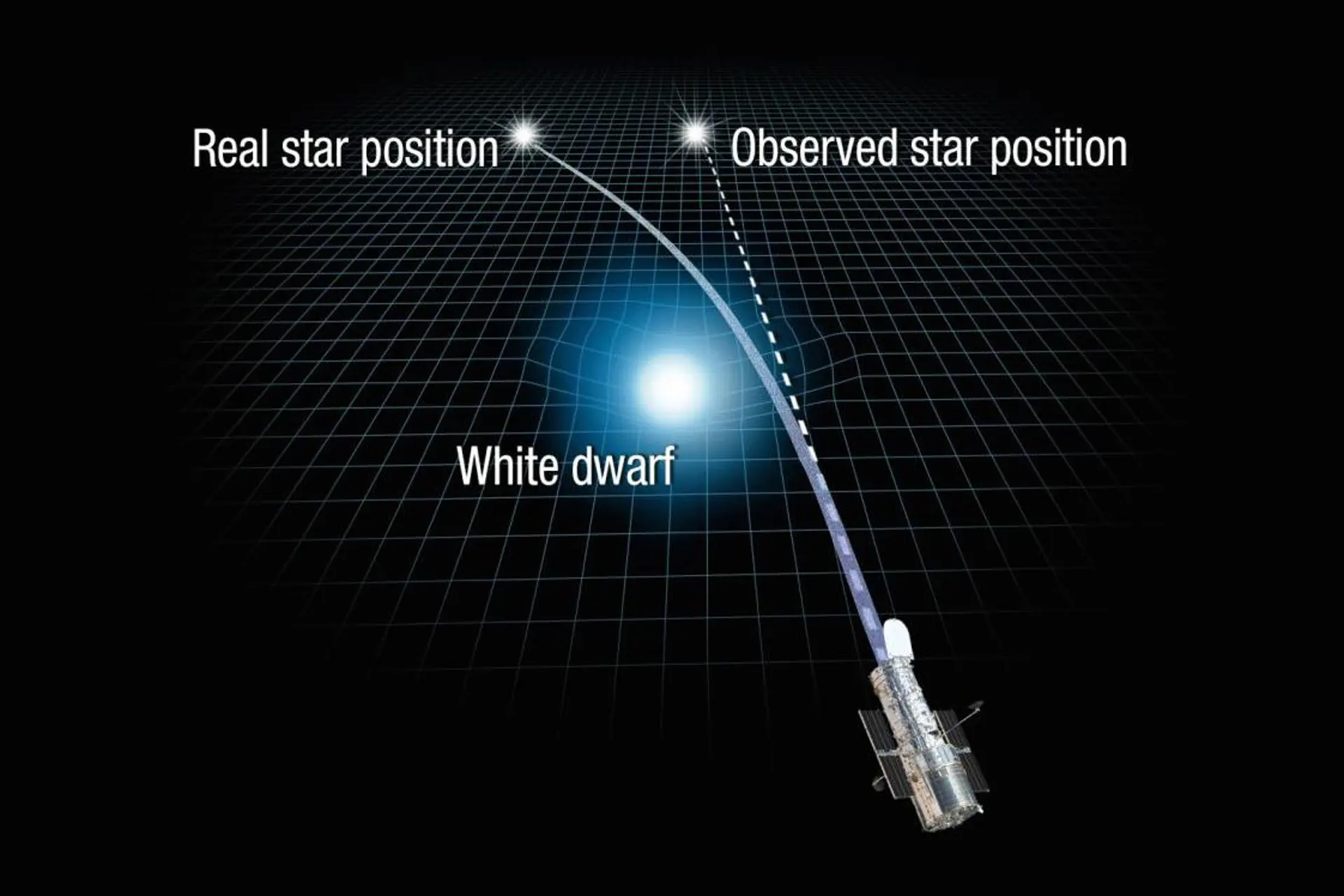
Einstein also viewed light to be made up of particles, which he called light quanta. He implied these particles to be packets of energy that had discrete existence in space. These particles carried enough momentum to expel electrons from the surface of certain metals. We may say that Einstein implied light to be a substance and associated innate force with it.
.
Summary
Light has momentum and energy. It must have resistance when it is pushed because its speed is finite. If light had no resistance its speed would be infinite. Therefore, light must be a substance with a very small amount of innate force. The current physics does not look at light that way. That is a big misunderstanding.
We may say that there are two types of substances: atomic and non-atomic.
Matter is an atomic substance. Light is a non-atomic substance. Both are detected by their innate force or inertia.
.