Introduction
The mind can be modeled as a huge and complex matrix made up of mental pixels. The mental pixels are reorganized consciously or unconsciously into memories and visualizations. Memories are the association among mental pixels at the moment of the receipt of perceptions. Visualizations are constructions, such as, dreams, day dreams, goals, imagination, etc. The memories supply the mental pixels. Visualizations then use those pixels.
All thoughts are visualizations. All symbols are visualizations that have been condensed.
This exercise is similar to the earlier KEX exercises, except for what you mentally say to yourself (see below).
.
The Posture
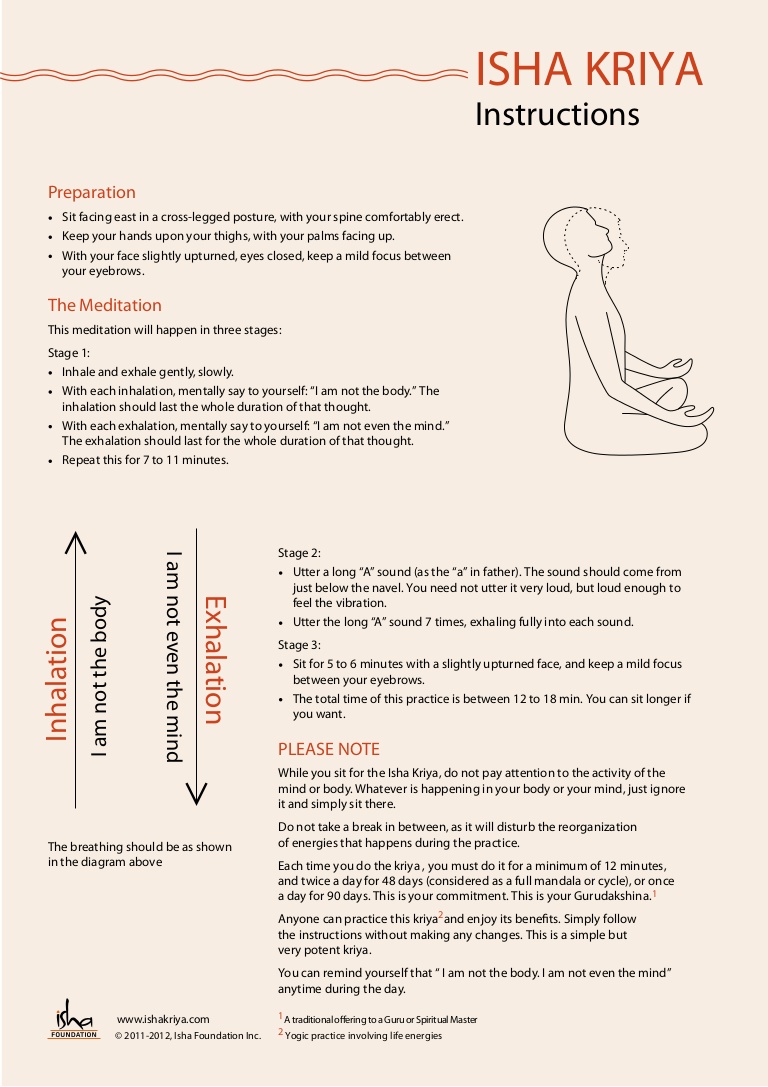
Sit in a straight-backed chair with feet flat on the floor and arms resting comfortably in the lap. The knees are positioned parallel to the shoulders. This alternate posture allows the body to remain stably erect even in deep state of concentration. During this exercise, focus your attention mildly between the eyebrows.
.
The Exercise
In this exercise you simply BE there and face all perceptions, sensations, feelings and emotions without avoiding, resisting, suppressing, or denying them.
In addition you do the following.
… (1) Inhale and exhale gently, slowly.
… (2) With each inhalation, mentally say to yourself: “The mind has memories.” The inhalation should last the whole duration of that thought.
… (3) With each exhalation, mentally say to yourself: “The mind visualizes.” The exhalation should last the whole duration of that thought.
Do this exercise for at least 20 minutes at a stretch so that your energies get properly organized,
OPTIONAL: You may do this exercise while walking on a treadmill at a gentle pace. Make sure you have a safety cord attached to you, in case you stumble. Your body is generating more energy on a treadmill and that helps organize the energies better.
.
Please Note
This is an experimental exercise that may help explore the nature of the mind.
Do this exercise for 20 minutes, twice a day, for 1 week. After that you may extend this exercise by one week at a time, depending on its merit.
You may then either go to a new exercise that is available, or go back to a previous exercise already completed to consolidate the results.
When returning to a previous exercise always do it for at least one week, and then extend it by one week at a time, depending on its merit.
.