NIETZSCHE: Nietzsche and Wagner

Reference: The Story of Philosophy

This paper presents Chapter IX Section 3 from the book THE STORY OF PHILOSOPHY by WILL DURANT. The  contents are from the 1933 reprint of this book by TIME INCORPORATED by arrangement with Simon and Schuster, Inc.

The paragraphs of the original material (in black) are accompanied by brief comments (in color) based on the present understanding.

.

III. Nietzsche and Wagner

Early in 1872 he published his first, and his only complete, book—The Birth of Tragedy out of the Spirit of Music.*

*It falls in with their later break that Wagner wrote about the same time an essay “On the Evolution of Music Out of the Drama”.

Never had a philologist spoken so lyrically. ‘He told of the two gods whom Greek art had worshipped: at first Dionysus (or Bacchus), the god of wine and revelry, of ascending life, of joy in action, of ecstatic emotion and inspiration, of instinct and adventure and dauntless suffering, the god of song and music and dance and drama;—and then, later, Apollo, the god of peace and leisure and repose, of esthetic emotion and intellectual contemplation, of logical order and philosophic calm, the god of painting and sculpture and epic poetry. The noblest Greek art was a union of the two ideals,—the restless masculine power of Dionysus and the quiet feminine beauty of Apollo. In drama Dionysus inspired the chorus, and Apollo the dialogue; the chorus grew directly out of the procession of the satyr-dressed devotees of Dionysus; the dialogue was an after-thought; a reflective appendage to an emotional experience. 

Early in 1872 he published his first, and his only complete, book—The Birth of Tragedy out of the Spirit of Music. He told of the two gods whom Greek art had worshipped: the restless masculine power of Dionysus and the quiet feminine beauty of Apollo.

The profoundest feature of Greek drama was the Dionysian conquest of pessimism through art. The Greeks were not the cheerful and optimistic people whom we meet with in modem rhapsodies about them; they knew the stings of life intimately, and its tragic brevity. When Midas asked Silenus what fate is best for a man, Silenus answered: “Pitiful race of a day, children of accidents and sorrow, why do you force me to say what were better left unheard? The best of all is unobtainable–not to be born, to be nothing. The second best is to die early.” Evident1y these men had little to learn from Schopenhauer, or from the Hindus. But the Greeks overcame the gloom of their disillusionment with the brilliance of their art: out of their own suffering they made the spectacle of the drama, and found that “it is only as an esthetic phenomenon,” as an object of artistic contemplation or reconstruction, “that existence and the world appear justified.” “The sublime is the artistic subjugation of the awful.” Pessimism is a sign of decay, optimism is a sign of superficiality; “tragic optimism” is the mood of the strong man who seeks intensity and extent of experience, even at the cost of woe, and is delighted to find that strife is the law of life. “Tragedy itself is the proof of the fact that the Greeks were not pessimists.'” The days when this mood begot the Aeschylean drama and the pre-Socratic philosophy were the ”tremendous days of Greece.”

The Greeks knew the stings of life intimately, and its tragic brevity. The profoundest feature of Greek drama was the Dionysian conquest of pessimism through art. Tragic optimism is the mood of the strong man who seeks intensity and extent of experience.

Socrates—“the type of the theoretical man”—was a sign of the loosened fibre of the Greek character; “the old Marathonian stalwart capacity of body and soul was more and more sacrificed to a dubious enlightenment, involving progressive degeneration of the physical and mental powers.” Critical philosophy replaced the philosophical poetry of the pre-Socratics; science replaced art; intellect replaced instinct; dialectic replaced the games. Under the influence of Socrates, Plato the athlete became an esthete, Plato the dramatist became a logician, an enemy of passion, a deporter of poets, a “pre-Christian Christian,” an epistemologist. On the temple of Apollo at Delphi those words of passionless wisdom were inscribed—gnothe seauton (know thyself) and meden agan (nothing in excess)—which became, in Socrates and Plato, the delusion that intelligence is the only virtue, and in Aristotle the enervating doctrine of the golden mean. In its youth a people produce mythology and poetry; in its decadence, philosophy and logic. In its youth Greece produced Homer and Aeschylus; in its decay it gave us Euripides—the logician turned dramatist, the rationalist destroying myth and symbol, the sentimentalist destroying the tragic optimism of the masculine age, the friend of Socrates who replaces the Dionysian chorus with an Apollonian galaxy of dialecticians and orators.

After Socrates, critical philosophy replaced the philosophical poetry; science replaced art; intellect replaced instinct; and dialectic replaced the games; the rationalist destroying myth and symbol, the sentimentalist destroying the tragic optimism of the masculine age.

No wonder the Delphic oracle of Apollo had named Socrates the wisest of the Greeks, and Euripides the wisest after him; and no wonder that “the unerring instinct of Aristophanes … comprised Socrates and Euripides … in the same feeling of hatred, and saw in them the symptoms of a degenerate culture.” It is true that they recanted; that Euripides’ last play—The Bacchae—is his surrender to Dionysus, and the prelude to his suicide; and that Socrates in prison took to practicing the music of Dionysus to ease his conscience. “Perhaps—thus he had to ask himself—what is not intelligible to me is not therefore unreasonable? Perhaps there is a realm of wisdom from which the logician is banished? Perhaps art is even a necessary correlative of and supplement to science?” But it was too late; the work of the logician and the rationalist could not be undone; Greek drama and Greek character decayed. “The surprising thing had happened: when the poet” and the philosopher “recanted, their tendency had already conquered.” With them ended the age of heroes, and the art of Dionysus. 

Greek drama and Greek character decayed. The surprising thing had happened: when the poet and the philosopher recanted, their tendency had already conquered. With them ended the age of heroes, and the art of Dionysus. 

But perhaps the age of Dionysus may return? Did not Kant destroy once and for all the theoretical reason and the theoretical man?—and did not Schopenhauer teach us again the profundity of instinct and the tragedy of thought?—and is not Richard Wagner another Aeschylus, restoring myths and symbols, and uniting music and drama again in Dionysian ecstasy? “Out of the Dionysian root of the German spirit a power has arisen which has nothing in common with the primitive conditions of Socratic culture, …—namely, German music, … in its vast solar orbit from Bach to Beethoven, from Beethoven to Wagner.” The German spirit has too long reflected passively the Apollonian art of Italy and France; let the German people realize that their own instincts are sounder than these decadent cultures; let them make a Reformation in music as in religion, pouring the wild vigor of Luther again into art and life. Who knows but that out of the war-throes of the German nation another age of heroes dawns, and that out of the spirit of music tragedy may be reborn? 

But perhaps the age of Dionysus may return. Let the German people realize that their own instincts are sounder than these decadent cultures. Who knows but that out of the war-throes of the German nation another age of heroes dawns.

In 1872 Nietzsche returned to Basle, still weak in body, but with a spirit burning with ambition, and loath to consume itself in the drudgery of lecturing. “I have before me work enough for fifty years, and I must mark time under the yoke.” Already he was a little disillusioned with the wars, “the German Empire is extirpating the German spirit,” he wrote. The victory of 1871 had brought a certain coarse conceit into the soul of Germany; and nothing could be more hostile to spiritual growth. An impish quality in Nietzsche made him restless before every idol; and he determined to assail this dulling complacency by attacking its most respected exponent—David Strauss. “I enter society with a duel: Stendhal gave that advice.”

By 1872, Nietzsche became oath to consume his spirit in the drudgery of lecturing. He became quite restless, determined to assail  the prevailing complacency.

In the second of his well-named Thoughts out of Season—”Schopenhauer as Educator”—he turned his fire upon the chauvinistic universities. “Experience teaches us that nothing stands so much in the way of developing great philosophers as the custom of supporting bad ones in state universities…. No state would ever dare to patronize such men as Plato and Schopenhauer. … The state is always afraid of them.” He renewed the attack in “The Future of Our Educational Institutions”; and in “The Use and Abuse of History” he ridiculed the submergence of the German intellect in the minutiae of antiquarian scholarship. Already in these essays two of his distinctive ideas found expression: that morality, as well as theology, must be reconstructed in terms of the evolution theory; and that the function of life is to bring about “not the betterment of the majority, who, taken as individuals, are the most worthless types,” but “the creation of genius,” the development and elevation of superior personalities.

Two of the distinctive ideas of Nietzsche are: that morality, as well as theology, must be reconstructed in terms of the evolution theory; and that the function of life is to bring about the development and elevation of superior personalities.

The most enthusiastic of these essays was called “Richard Wagner in Bayreuth” It hailed Wagner as a Siegfried “who has never learned the meaning of fear,” and as founder of the only real art, because the first to fuse all the arts into a great esthetic synthesis; and it called upon Germany to realize the majestic significance of the coming Wagner festival -“Bayreuth signifies for us the morning sacrament on the day of battIe.” This was the voice of youthful worship, the voice of an almost femininely refined spirit who saw in Wagner something of that masculine decisiveness and courage which went later into the conception of the Superman. But the worshipper was a philosopher too, and recognized in Wagner a certain dictatorial egotism offensive to an aristocratic soul. He could not bear Wagner’s attack upon the French in 1871 (Paris had not been ‘kind to Tannhauser!); and he was astounded at Wagner’s jealousy of Brahms. The central theme even of this laudatory essay boded no good for Wagner: “The world has been Orientalized long enough; and men now yearn to be Hellenized.” But Nietzsche already knew that Wagner was half Semitic. 

Nietzsche saw in Wagner something of that masculine decisiveness and courage which went later into the conception of the Superman. But as a philosopher, he also recognized in Wagner a certain dictatorial egotism offensive to an aristocratic soul. 

And then, in 1876, came Bayreuth itself, and Wagnerian opera night after night,—without cuts,—and Wagneriennes, and emperors and princes and princelets, and the idle rich crowding out the impecunious devotees. Suddenly it dawned upon Nietzsche how much of Geyer there was in Wagner, how much The Ring of the Nibelungs owed to the theatrical effects which abounded in it, and how far the melos that some missed in the music had passed into the drama. “I, had had visions of a drama overspread with a symphony, a form growing out of the Lied. But the alien appeal of the opera drew Wagner irresistibly in the other direction.” II Nietzsche could not go in that direction; he detested the dramatic and the operatic. “I should be insane to stay here,” he wrote. “I await with terror each of these ‘long musical evenings … I can bear no more.”

Nietzsche could not stand the Wagnerian opera at Bayreuth in 1876 because it depended too much on theatrical effects and drama.

And so he fled, without a word to Wagner and in the midst of Wagner’s supreme triumph, while all the world worshiped; fled, “tired with disgust of all that is feminism and undisciplined rhapsody in that romanticism, that idealistic lying, that softening of the human conscience, which had conquered here one of the bravest souls.” And then, in far-away Sorrento, whom should he encounter but Wagner himself, resting from his victory, and full of a new opera he was writing—Parsifal. It was to be an exaltation of Christianity, pity, and fleshless love, and a world redeemed by a “pure fool,” “the fool in Christ.” Nietzsche turned away without a word, and never spoke to Wagner thereafter. “It is impossible for me to recognize greatness which is not united with candor and sincerity towards one’s self. The moment I make a discovery of this sort, a man’s achievements count for absolutely nothing with me.” He preferred Siegfried the rebel to Parsifal the saint, and could not forgive Wagner for coming to see in Christianity a moral value and beauty far outweighing its theological defects. In The Case of Wagner he lays about him with neurotic fury: 

Wagner flatters every nihilistic Buddhistic instinct, and disguises it in music; he flatters every kind of Christianity and every religious form and expression of decadence. … Richard Wagner, … a decrepit and desperate romantic, collapsed suddenly before the Holy Cross. Was there no German then with eyes to see, with pity in his conscience to bewail, this horrible spectacle? Am I then the only one he caused to suffer? … And yet I was one of the most corrupt Wagnerians. … Well, I am the child of this age, just like Wagner,—i. e., a decadent; but I am conscious of it; I defended myself against it.

Nietzsche preferred Siegfried the rebel to Parsifal the saint, and could not forgive Wagner for coming to see in Christianity a moral value and beauty far outweighing its theological defects.

Nietzsche was more “Apollonian” than he supposed: a lover of the subtle and delicate and refined, not of wild Dionysian vigor, nor of the tenderness of wine and song and love. “Your brother, with his air of delicate distinction, is a most uncomfortable fellow,” said Wagner to Frau Forster-Nietzsche; “… sometimes he is quite embarrassed at my jokes—and then I crack them more madly than ever.” There was so much of Plato in Nietzsche; he feared that art would unteach men to be hard; being tender-minded, he supposed that all the world was like himself,—dangerously near to practicing Christianity. There had not been wars enough to suit this gentle professor. And yet, in his quiet hours, he knew that Wagner was as right as Nietzsche, that Parsifal’s gentleness was as necessary as Siegfried’s strength, and that in some cosmic way these cruel oppositions merged into wholesome creative unities. He liked to think of this “stellar, friendship” that still bound him, silently, to the man who had been the most valuable and fruitful experience of his life. And when, in a lucid moment of his final insanity, he saw a picture of the long-dead Wagner, he said softly, “Him I loved much.”

But Nietzsche was a lover of the subtle and delicate and refined, not of wild Dionysian vigor. In his quiet hours, he knew that Parsifal’s gentleness was as necessary as Siegfried’s strength, and that in some cosmic way these cruel oppositions merged into wholesome creative unities.

.
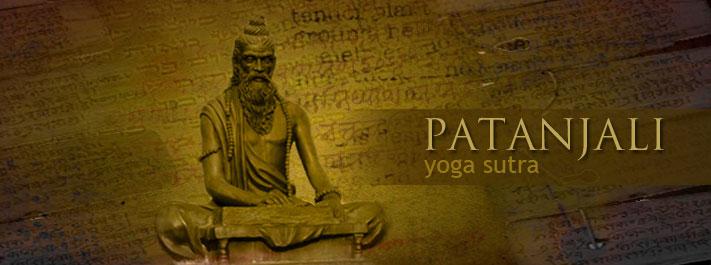
Glossary for Patanjali Yoga

Reference: Patanjali Yoga Sutras

This is the Glossary for Patanjali Yoga. It is based on the subject clearing of the book, FOUR CHAPTERS ON FREEDOM by Swami Satyananda Saraswati, First edition 1976, Published by Yoga Publications Trust, Munger, Bihar, India.

.

Key Word List

pataJjali, yoga, sUtra, Yoga Sutra Text, samAdhi, pAda

chitta, vRtti, nirodha, kliSTa, pramANa, viparyaya, vikalpa, nidrA, smRti, pratyakSha, anumAna, Agama, abhyAsa, vairAgya, guNas, sAdhana,

samprajnAta, vitarka, vichAra, Ananda, asmitA, asamprajnAta, samskAra, videha, prakRtilaya, bhava, shraddhA, vIrya, prajnA, mRdu, madhya, adhimAtra,

Ishvara, praNidhAna, klesha, karma, vipAka, Ashaya, guru, praNava,

antarAya, vyAdhi, styAna, samshaya, pramAda, Alasya, avirati, bhrAnti-darshana, alabdha-bhUmikatva, anavasthitatva, duHkha, daurmanasya, angamejayatva, shvAsaprashvAsA, maitrI, karuNA, muditA, upekShA, sukha, puNya, apuNya, praNa, grahItR, grahaNa, grAhya,

savitarka, shabda, artha, jnAna, savichAra, nirvichAra, sabIja-samAdhi, nirbIja-samAdhi, adhyAtma, Rta, RtambharA,

tapaH, svAdhyAyA, IshvarapraNidhAna, kriyAyogaH, avidyA, rAga, dveSha, abhinivesha, prasupta, tanu, vichChinna, udAra, anitya, nitya, ashuchi, shuchi, anAtma, Atma, drk, darshana-shakti, svarasa, viduShas, sUkShma,

dhyAna, jAti, AyuH, bhoga, AhlAda, paritApa, draShTA, dRShyam, prakAsha, kriyA, sthiti, bhUta, indriya, apavarga, visheSha, avisheSha, linga-mAtra, alinga, pratyaya,

aSTANga, yama, niyama, Asana, prANAyAma, pratyAhAra, dhAraNa, dhyAna, samAdhi,

yama, ahinsA, satya, asteya, brahmacharya, aparigraha, jAti, desha, kAla, samaya, niyama, shaucha, santoSha, tapaH, svAdhyAya, IshvarapraNidhAna,

vitarka, lobha, moha, duHkha, ajnAna, vIrya, sattva, shudhhi, saumanasya, aikAgrya, indriyajaya, yogyatva, Atmadarshana, sthira, Sankhya,

vibhUti, saMyama, vyutthAna, abhibhava, prAdurbhAva, pariNAma, sarvArthata, dharma, lakShaNa, avasthA, dharmI, sopakrama, nirupakrama, vyavahita, viprakRShTa, shrAvaNa, vedana, Adarsha, AsvAda, vArtta, udAna, jala, panka, kaNTaka, SamAna, shrotra, AkAsha, divya, sthUlasvarUpa,

Purusha, Prakriti, , Tattva, Vāsanā, Samapatti, Trataka,, Nirvitarka, Japa, Sattva, Rajas, Tamas, Sat, Shruta, Upāsana, Māyā, Kaivalya, Viveka, Karmashaya, Heya, Drishya, Hanam, Pratipaksha, Bhāvanā, Prarabdha, Puraka, Rechaka, Kumbhaka, Vikshepa,

.

Glossary

To find the meaning of a Sanskrit word, enter its English transliteration in ‘Sanskrit Dictionary 1’ to obtain the Sanskrit script for the word; then, enter that word in Sanskrit script in ‘Sanskrit Dictionary 2’. You’ll get the full meanings from Sanskrit Dictionary 2.

  1. Sanskrit Dictionary 1
  2. Sanskrit Dictionary 2
  3. Sanskrit Dictionary 3

—A—

abhibhava (अभिभव) = overpowering, prevailing, subjugating

abhinivesha (अभिनिवेश) = clinging
Abhinivesha means “tenacity, adherence to, fixation”. An example of such a fixation is the “fear of death.” Even learned people fear death. They have an equally strong desire for life. This is true of the philosopher, the thinker and the layman. It can be seen in everybody, therefore, it is called svarasavahi—a natural force inherent in everyone. 

abhyAsa (अभ्यास) = Practice
abhyAsa refers to repeated or constant practice. In abhyasa, the effort becomes a part of your nature.

Adarsha (आदर्श) = Sight

adhimAtra (अधिमात्र) = intense

adhyAtma (अध्यात्म) = spirituality

Agama = acquisition

ahinsA (अहिंसा) = Non-Violence
Ahimsa means “not hurting.” It refers to not injuring anything, harmlessness, non-violence, security, safeness.

AhlAda (आह्लाद) = delight

aikAgrya (ऐकाग्र्य) = Intent Focus, One-Pointedness

ajnAna (अज्ञान) = stupidity

AkAsha (आकाश) = Space

alabdha-bhUmikatva (अलब्ध भूमिकत्व) = inability to gain grounding

Alasya (आलस्य) = laziness

alinga (आलिङ्ग) = undefined
Alinga means “absence of marks”. It is a state without mark or symbol. See LINGA.

Ananda (आनन्द) = pure bliss
Ananda  means pure happiness, bliss. In Ananda there is the feeling of absolute peace and absolute bliss, but that bliss is not the state of your sense experience.

anAtma (अनात्मा) = Not the Self

anavasthitatva (अनवस्थितत्व) = unsteadiness

angamejayatva (अङ्गमेजयत्व) = losing control over the limbs

anitya (अनित्य) = impermanent

antarAya (अन्तराय) = obstacles

anumAna (अनुमान) = inference
anumAna means “inference, consideration, reflection; guess, conjecture”. Knowledge from inference and testimony differs from individual to individual.

anushAsan (अनुशासन) = discipline, instruction, direction, command, precept

aparigraha (अपरिग्रह)
Aparigraha means non-acceptance, renouncing (of any possession besides the necessary utensils of ascetics); deprivation, destitution, poverty.

apavarga (अपवर्ग) = Release

apuNya (अपुण्य) = vice

ashuchi (अशुचि) = impure

aviplava (अविप्लव) = uninterrupted knowledge

artha (अर्थ) = the essence
Artha mans “meaning, object, purpose”. Artha refers to the ultimate purpose, and that is the real knowledge of the object.

asamprajnAta (असम्प्रज्ञात) = Eqanimous-Mind beyond discernment
See samprajnAta.

Asana (आसन) = posture
Asana refers to yoga postures; fixed sitting position. The purpose of an asana in Patanjali yoga is to balance the different nerve impulses, feelings of pain and pleasure, heat and cold and all other opposite sensations.

Ashaya (आशय) = intention

asmitA (अस्मिता) = knowing the sense of ‘I’, Wrong Identification of the self

aSTANga (अष्टाङ्ग) = the eight parts
Eight elements (of practice of yoga culminating in samadhi)—Yama, Niyama, Asana, Pranayama, Pratyahara, Dharana, Dhyana, Samadhi.

asteya (अस्तेय) = non-stealing
Asteya means “not stealing.” It is one of the yamas and refers to honesty.

AsvAda () = Taste

Atma (आत्मा) = self

Atmadarshana (आत्मदर्शन) = Perception of the True Self

avasthA (अवस्था) = state, condition

avidyA (अविद्या) = ignorance
Avidya is essentially the identification of self with something else. Therefore, there is ignorance of the true nature of self. It is not seeing things for what they are. It is misperceiving a whole scale of values as the black and white of duality. It is to be fixated on the body. We misunderstand our relations with people due to avidya.

avirati (अविरति) = failure to not-cling

avisheSha (अविशेष) = Generic
Avishesha means “without difference, uniform.” It is non-distinction, non-difference, uniformity.

AyuH (आयु) = Life Span

—B—

BEEJA (बीज)
Beeja means “germ, element, primary cause or principle, source, origin”. It is the object on which you are meditating. It forms the basis of support for the consciousness.

bhava (भाव) = simply being

BHĀVANĀ (भावना)
Bhāvanā means “reflection.” It refers to contemplation, feeling of devotion, demonstration, argument, ascertainment, right conception or notion.

bhoga (भोग) = to experience

brahmacharya (ब्रह्मचर्य) = Being in the Path of the Divine
Brahmacharya means the state of an unmarried religious student, a state of continence and chastity.

bhrAnti-darshana (भ्रान्ति दर्शन) = hallucination

bhUta (भूत) = Elements

—C—

chitta (चित्त) = one of the aspects of the mind
Chitta means individual consciousness which includes the conscious, subconscious and unconscious levels of mind. Chitta is derived from the basic idea of chit, which means to see, to be conscious of, to be aware. Chitta is comprised of three stages: the sense or objective consciousness, the subjective or astral consciousness, and the unconsciousness or mental state of dormant potentiality. Jivatman, the individual awareness, is made up of Atman plus chitta.

—D—

darshana-shakti (दर्शन शक्ति) = the power of sight

daurmanasya (दौर्मनस्य) = depression

desha (देश) = one’s place

dhAraNa (धारणा) = Concentration
Dharana is the step before meditation that is concerned with fixing awareness on one object to the exclusion of all others. Patanjali yoga utilizes a psychic symbol as a focal point for internal concentration. It can be one’s guru, a deity, a mantra, an enquiry (anomaly); it can be almost anything. It must be something that spontaneously attracts the attention of the individual and must be chosen to suit the inherent nature of the mind and personality. 

dharma (धर्म) = one’s nature

dharmI (धर्मी) = A Subject of Change

dhyAna (ध्यान) = Meditation
Dhyana is merely an extension of dharana. It arises when one is able to maintain a smooth, unfluctuating flow of concentration towards the inner symbol for a period of time. The mind becomes moulded around one pattern in the form of the psychic symbol. This is the start of meditation.

divya (दिव्य) = that which shines, radiates and illuminates

draShTA (द्रष्टव्य) = the one who sees
Drashta means “seer.” It is THAT which is aware.

dRShyam (दृश्यम्) = That which is seen

DRISHYA (दृश्य)
Drishya means “visible, conspicuous.” It is anything manifested, whether objective or subjective; therefore, it can be perceived and experienced.

drk (दृक) = Seer

duHkha = Unpleasantness, suffering

dveSha (द्वेष) = aversion
Dvesha means “aversion, dislike, enmity to.” Whenever there is an object of pain and the mind runs away from it, wishing to avoid it, this is called dvesha. Dvesha is a more powerful binding force. When dvesha is removed, meditation becomes deeper and then raga can also be given up.

—G—

grahaNa (ग्रहण) = the act of consumption

grahItR (ग्रहीतृ) = the consumer

grAhya (ग्राह्य) = the consumed

guNas (गुण) = qualities
guNa means the threefold aspects of nature: sattva (essence), rajas (dissipation) and tamas (darkness). All functions of the body, mind and world are an interplay of these three gunas. When sattva has free expression, one-pointedness dawns. When rajas is overpowering, the mind is dissipated. When tamas comes into play, there is neither one-pointedness nor dissipation; there is only dullness and inactivity.

guru (गुरु) = illuminator

—H—

HANAM (हनन)
Hanam means “killing, a killer, slayer.” It refers to killing, destroying, removing, dispelling.

HEYA (हेय)
Heya means “that thing to be left or quitted or abandoned or rejected or avoided.”

—I—

indriya (इन्द्रिय) = Senses

indriyajaya (इन्द्रियजय) = Victory over the Senses

Ishvara (ईश्वर) = the supreme soul
Ishvara refers to master, lord, God, etc. Ishvara does not mean some personality that lords over you. Ishvara is the ultimate consciousness, which is completely free of ignorance, I-feeling, like, dislike, and fear of death. It is there in each one of us, and it has always been there in everyone. It is not possible to reach it through thinking, speeches, discourses, intellect, listening to others or the scriptures. It must be experienced directly through practices, such as, yoga. In it there is the seed of limitless knowledge, but that knowledge is not gained from outside.

IshvarapraNidhAna (ईश्वरप्रणिधान) = Abiding in the Divine
Ishvarapranidhana means “surrender to God.” It is placing the mind completely at the disposal of the inner self.

—J—

jala (जल) = water

JAPA (जप)
Japa means “muttering, whispering”. It refers to repetition of a mantra.

jAti (जाति) = one’s birth; the form of existence (as man, animal, etc.) fixed by birth

jnAna (ज्ञान) = knowledge
Jnana means “knowing, becoming acquainted with”. Jnana is inner sense perception (conceptualization). It refers to the higher knowledge (cognition, knowingness). 

—K—

KAIVALYA(कैवल्य)
Kaivalya means “isolation.” It refers to absolute unity, perfect isolation, abstraction, detachment from all other connections, detachment of the soul from matter or further transmigrations, beatitude.

kAla (काल) = The Times One lives in

kaNTaka (कण्टक) = thorn

karma (कर्म) = action

KARMASHAYA (कर्माशय)
Karmashaya means “receptacle or accumulation of (good and evil) acts” in the form of impressions.

karuNA (करुणा) = compassion

klesha (क्लेश) = affliction, obstacles
klesha is pain, affliction, distress, pain from disease, anguish. In yoga, five klesha’s are named: “ignorance”, “egotism”, “desire”, “aversion”, and “tenacity of mundane existence”.

kliSTa (क्लिष्ट) = not easily intelligible

kriyA (क्रिया) = Action

kriyAyogaH = Yoga of Internal Action

KUMBHAKA (कुम्भक)
Kumbhaka means a pot. In pranayama (breath control), it is stopping the breath by shutting the mouth and closing the nostrils with the fingers of the right hand.

—L—

lakShaNa (लक्षण) = characteristic, behavior

linga-mAtra (लिङ्ग मात्र) = defined

lobha (लोभ) = Greed

—M—

madhya (मध्य) = medium

maitrI (मैत्री) = friendliness

MĀYĀ (माया)
Maya means “illusion, unreality, deception, fraud, trick, sorcery, etc.”

moha (मोह) = Delusion

mRdu (मृदु) = mild

muditA (मुदिता) = joy

—N—

nidrA (निद्रा) = sleep
nidrA refers to sleep, slumber, sleepiness, sloth. In this state there are thoughts but they are not present before the mind. It is an unconscious state of mind.

nirbIja-samAdhi (निर्बीज समाधि) = a state of causeless equanimity
Nirbeeja means “without seed.” Nirbeeja samadhi is a state devoid of consciousness. According to yoga, consciousness or awareness is in the form of motion or vibration, but nirbeeja samadhi is not a state of motion or vibration. It involves stillness. Nirbeeja samadhi is the state of causeless equanimity.

nirodha (निरोध) = bringing them down, calming it, having control over

nirupakrama (निरुपक्रम) = incurable; which are not immediately manifest

nirvichAra (निर्विचार) = thoughtlessness states of meditation
Nirvichara means not reflecting or considering. In nirvichara, the space, time and idea are taken out but behind that something else remains, and that is called the essential nature of thought.

NIRVITARKA (निर्वितर्क)
Nirvitarka means without reason or thought; unreflecting, inconsiderate.

nitya (नित्य) = permanent

niyama (नियम) = Strict-Regimen
Niyama refers to fixed observances or rules; personal code. The niyamas are intended to harmonize one’s inner feelings. The five niyamas are: shaucha (cleanliness); santosha (contentment); tapah (austerity); swadhyaya (self-study) and Ishwara pranidhana (surrender to the cosmic will). 

—P—

pAda (पाद) = a quarter, a fourth Part

panka (पङ्क) = sludge

pariNAma (परिणाम) = a very profound change, transformation from within

paritApa (परिताप) = Dejection

pataJjali (पतञ्जलि) = author of Yoga Sutras
An Indian sage who lived between 2nd and 4th century CE. Very little is known about him.

PATANJALI YOGA
Patanjali yoga is that system of Raja Yoga, which consists of eight stages: yama, niyama, asana, pranayama, pratyahara, dharana, dhyana and samadhi. It is therefore widely called ashtanga yoga (the yoga of eight stages).

prAdurbhAva (प्रादुर्भाव) = manifestation, appearance, becoming visible

prajnA (प्रज्ञा) = pure perception
prajnA refers to intuition; revelation; intuitive knowledge; true knowledge.

prakAsha (प्रकाश) = Manifestation

PRAKRITI (प्रकृति)
See PURUSHA.

prakRtilaya (प्रकृतिलय) = immersed in one’s own nature

pramAda (प्रमाद) = negligence

pramANa (प्रमाण) = judgment, measure of any kind

prANa (प्राण) = life airs
Prana means “breath, exhalation, breath of life.” It refers to bioplasmic energy expressed through living protoplasm. The subtle prana is in the form of energy, and the gross prana has the form of breath.

praNava (प्रणव) = the first sound

prANAyAma (प्राणायाम) = Breath Control
Prana means breath, ayama is lengthening or widening through control. When breathing is controlled so as to retain the breath, it is pranayama. The ultimate aim of pranayama is to be able to retain the breath. Thus, if we breathe normally fourteen times per minute, in pranayama we breathe only once or twice per minute. There are three types of pranayama, namely, puraka, rechaka and kumbhaka (please see). 

praNidhAna (प्रणिधान) = abiding in

PRĀRABDHA (प्रारब्ध)
Prarabdha means “commenced, begun, undertaken.” It refers to an undertaking, enterprise, or one who has commenced, begun, or undertaken a work.

prasupta (प्रसुप्त) = dormant

PRATIPAKSHA (प्रतिपक्ष)
Pratipaksha means “opposite”. It refers to the the opposite side, hostile party, opposition, an obstacle, an adversary, opponent, foe, etc.

pratyAhAra (प्रत्याहार) = Sensory Withdrawal
Pratyadhara is the yogic practice of withdrawal of the senses. Pratyahara means ‘to gather inwards’. The practice is concerned with checking and curbing the outgoing tendencies of the mind so that awareness can be directed inwards.

pratyakSha = direct experience

pratyaya (प्रत्यय) = The State of Being; consideration of self
Pratyaya is the content of mind. Our consciousness has something to dwell upon during concentration. That support, which may be a symbol or a particular idea, gross or subtle, is called pratyaya. When you meditate on Aum, the form Aum is the pratyaya for the mind; similarly with other symbols. The aspirant’s mind must have something to rest upon during the process of meditation. Pratyaya only drops intermittently, when it is called virama pratyaya; but it remains until the end.

puNya (पुण्य) = virtue

PURAKA (पूरक)
Puraka means filling, completing. In pranayama (breath control), it is closing the right nostril with the forefinger and then drawing up air through the left and then closing the left nostril and drawing up air through the right.

PURUSHA (पुरुष) and PRAKRITI (प्रकृति)
Purusha is a particular manifestation of consciousness which may be translated as a viewpoint. The ultimate purusha (viewpoint) is Ishwara (God), which may be described by The Static Viewpoint. Prakriti is a particular manifestation of energy, which may be translated as a form that is manifested in space and time. Scientology defines Purusha as Theta; and Prakriti as MEST.

Purusha is the personal and animating principle; whereas, Prakriti is the original or natural form or condition of anything. The purusha implies the drashta (seer) and prakriti implies the drishya (seen). The purusha means subjective being and prakriti means objective, external existence. Existence and the individual being arise when purusha and prakriti come together. 

—R—

rAga (राग) = affection
Raga means “liking, attachment, vehement desire of.” Whenever there is an object of pleasure and the mind runs after it, wishing to have the pleasurable experience again and again, this is called raga. 

RAJAS (रजस्)
Rajas means “colored or dim space.” It is the substance becoming thicker or more substantial, and appearing as emotion, motion or activity. The mental disposition is rather scattered or unrestrained, and it cannot perceive things as they are.  

RĀJA YOGA (राज योग)
The royal path of yoga; It is the science of mental discipline and includes various methods of making the mind one-pointed. Patanjali defines his method of yoga as ‘the elimination of mental fluctuations’. 

RECHAKA (रेचक)
Rechaka means emptying the lungs, emitting the breath. In pranayama (breath control), it is expelling the breath out of one of the nostrils.

RITAM (ऋतम्)
Ritam is the absolute, cosmic or changeless aspect of this universe. It is is beyond energy and change. It appears to be still and void (shoonya शून्य). It is not seen, and can be understood only through spiritual consciousness.

RITAMBHARA (ऋतम्भर)
Ritambhara means “bearing the truth in one’s self”. It refers to cosmic harmony, or to the mental matrix in which all impressions are assimilated.

Rta (ऋत) = the true reality of existence

RtambharA (ऋतम्भरा) = intellect or knowledge which contains the truth in itself

—S—

sabIja-samAdhi (सबीज समाधि) = states of causal equanimity
Sabeeja, literally, means “with seed or germ.” In sabeeja samadhi we have a basis or content or a centre or a symbol. A beginner has to use a certain basis for fixing the mind. Finally, when the consciousness becomes concentrated in the form of that beeja (seed) they become one, and the subjectivity of the mind is lost.

sAdhana (साधन) = leading straight to a goal, guiding well, furthering
Sādhana is a discipline undertaken in the pursuit of a goal. Abhyāsa is repeated practice performed with observation and reflection. Kriyā, or action, also implies perfect execution with study and investigation. Therefore, sādhanaabhyāsa, and kriyā all mean one and the same thing. A sādhaka, or practitioner, is one who skillfully applies…mind and intelligence in practice towards a spiritual goal.

For the dynamic person, karma yoga is best suited. Bhakti is better for those who are emotional, who can surrender to God; they form the majority of the population. The third group, mystic people, are prone to practice raja yoga and the allied practices of hatha yoga, swara yoga, kriya yoga, nada yoga and trataka, etc. The fourth (rational) type form the few jnana yogis. They like to read the Upanishads, the Gita, etc. wherein the deeper aspects of life, the universe and meditation are described. Many of us have a mixture of these four tendencies. Hence a mixture of practices is to be recommended.

samAdhi (समाधि) = equanimity of mind
Eventually Dhyana leads to an elimination of duality; the seer, seen and seeing merge into unity and one’s being fuses into the state of samadhi. A good definition is: When the five senses of perception together with the mind are at rest, when even the intellect has ceased to function, that, say the sages, is the supreme state—absorption, superconsciousness; concentration of the mind on an object of meditation. 

Samadhi is the state in which the mental matrix is fully assimilated. Even the grainy perceptual elements are assimilated into oneness. Samadhi is to reach the deepest level of consciousness where even the sense of individuality disappears. In the approach to samadhi one starts to become aware of fixations one by one and resolves them. The primary fixation is on the body and the self. The fixation is both physical and spiritual. In the beginning there may be a basis of meditation, such as, a mantra, or an auditing question; but, gradually, all such supports are dropped.

SamAna (समान) = The assimilative aspect of prANa

SAMĀPATTI (समापत्ति)
Samapatti means complete absorption; complete acceptance. In samapatti, all disturbance in consciousness fades away. This gives rise to purely objective consciousness of the object upon which the mind is cast. 

samaya (समय) = one’s circumstances

samprajnAta (सम्प्रज्ञात) = discerned, distinguished, known accurately
samprajnAta-samAdhi = Eqanimous-Mind which still discerns. samprajnAta refers to a samadhi that is accompanied by discernment and illumination.

samshaya (संशय) = doubt

samskAra (संस्कार) = latent-tendencies

saMyama (संयम) = control of the senses, self-control
saMyama  consists of dhāranā (concentration), dhayāna (meditation) and samadhi (absorption).

Sankhya (सङ्ख्या) = Number of Repetitions

santoSha (सन्तोष) = Contentment

sarvArthata (सर्वार्थता) = Interest in All worldly Nature

SAT (सत)
Sat is the entire universe that is in a process of evolution.

sattva (सत्त्व) = Vitality
Sattva means “essence or  reality.” It is the essence of substance that appears as vibration or light. It is the focused disposition or character of the mind that can see things as they are.

satya (सत्यम) = Truthfulness
Satya is the relative, changing and interdependent aspect of this universe. it is perceptible by the senses and understandable by the mind. The world of planets and stars is satya because it is relative.

saumanasya (सौमनस्य) = Pleasantness of the Mind

savichAra (सविचार) = thoughtfulness states of meditation
Savichara means that to which consideration is given. In savichara, one does not think of any object in terms of normal understanding. There is no form present. The whole process is through reflection that has no language.

savitarka (सवितर्क) = accompanied with reason or thought

shabda (शब्द) = the sound
Shabda refers to the  sound, word or mantra. Shabda is a thought process in the form of words. It is mental argumentation.

shaucha (शौच) = Cleanliness

shraddhA (श्रद्धा) = steadfast focus

shrAvaNa (श्रावण) = Hearing

shrotra (श्रोत्र) = Sense of Hearing

SHRUTA (श्रुत)
Shruta means “heard, listened to, heard about or of, taught, mentioned, orally transmitted or communicated from age to age”. It specifically refers to the Vedas, because they were revealed. Through them, we know the supreme being and atman.

shuchi (शुचि) = Pure

shuddhi (शुद्धि) = Purity

shvAsaprashvAsA (श्वासप्रश्वासा) = laboured breathing

smRti = constant remembrance
Smriti refers to memory. It is the recalling of existing impressions. The impressions do not exhaust themselves upon recall; they remain.

sopakrama (सोपक्रम) = undertaken; which are immediately manifest

sthira (स्थिर) = Firm

sthiti (स्थिति) = Continuation

styAna (स्त्यान) = procrastination

sukha (सुख) = pleasantness

sUkShma (सूक्ष्म) = Subtle

sUtra (सूत्र) = thread, that which like a thread runs through or holds together everything, rule
The word sutra means ‘thread’. The word implies that the written words carry an underlying continuous thought; the various ideas connect together like the beads on a necklace to form a complete philosophy.

svAdhyAyA (स्वाध्याय) = study of the self
Svadhyaya means “self-study.” It includes study of the entire physical, mental, emotional and spiritual structure of your personality. You are looking at your own consciousness. 

svarasa (स्वरस) = interest in one’s own self

—T—

TAMAS (तमस्)
Tamas means “darkness, gloom”. It is the substance becoming solid and totally substantial, and appearing as dull, inert state of mind that takes everything literally. It cannot see what is there.

tanu (तनु) = feeble

tapaH (तपः) = penance
Tapas means “warmth, heat.” It refers to religious austerity, bodily mortification, penance, severe meditation, special observance.

TARKA (तर्क)
Tarka means logic or reasoning. It is a system or doctrine founded on speculation or reasoning.

TATTVA (तत्त्व)
Tattva is a true principle or axiom. It is the essence or substance of anything.

TRATAKA (त्राटक)
Trataka is a Sanskrit word, which means “to look” or “to gaze.” It is a method of fixing the eye on one object. As such, this meditation technique involves starting at a single point of focus.

—U—

udAna (उदान) = The buoyant aspect of prANa

udAra () = उदार

UPĀSANA (उपासन)
Upasana means “homage, adoration, worship”. It is an activity of being intent on or engaged in.

upekShA (उपेक्षा) = neutrality

—V—

VĀSANĀ (वासना) = unassimilated impressions
Vāsanā is the impression of anything remaining unconsciously in the mind, the present consciousness of past perceptions, knowledge derived from memory. It is said that consciousness has two supports: prana (vital energy) and vasana (impressions). These are the supports on which the mind rests and consciousness works. If one of them is removed, the other goes automatically.

vairAgya (वैराग्य) = Dis-identification
vairAgya is indifference to worldly objects and to life. It is freedom from all worldly desires, One has a sense of objectivity with which one looks at everything. This frees one up from all the seeming appearances of nature to which one gets attached.

vedana (वेदन) = Touch

vibhUti (विभूति) =
Vibhooti means “penetrating, pervading.” It refers to manifestation of might, great power, superhuman power.

vichAra (विचार) = deep thought
vichAra means pondering, deliberation, consideration, reflection, examination, investigation. The definition of vichara is when the consciousness is flowing without the basis of language. It is not thinking; there is only a contemplative pattern. The mind simply alternates in time, space and idea. 

vichChinna (विच्छिन्न) = intermittent

videha (विदेह) = without a body

viduSha (विदुष) = the knowledgeable one

vikalpa (विकल्प) = imagination
vikalpa refers to false notion, fancy, imagination. It is an unfounded belief that has no corresponding object at all.

VIKSHEPA (विक्षेप)
the act of throwing asunder or away or about, scattering, dispersion; inattention, distraction, confusion, perplexity.

vipAka (विपाक) = results

viprakRShTa (विप्रकृष्ट) = Distant

viparyaya (विपर्यय) = misjudgment
viparyaya means perversion or alteration. It results in misconceptions.

vIrya (वीर्य) = high energy
vIrya means manliness, valour, strength, power, energy, manly vigour, virility, semen virile, etc.

visheSha (विशेष) = specific
Vishesha means “distinction, difference between.” It is the characteristic difference, peculiar mark, special property, speciality, peculiarity. It refers to particularity, individuality, essential difference or individual essence.

vitarka (वितर्क) = Illogical thoughts; justification to not follow a logical course
vitarka means “conjecture, supposition, guess, fancy, imagination, opinion, etc.” It is doubt and uncertainty followed by reasoning, deliberation, consideration, etc.

VIVEKA (विवेक)
Viveka mars “discrimination.” It is the power of separating the spirit from matter, truth from untruth, reality from mere semblance or illusion.

vivekakhyAti (विवेकख्याति)=‘Distinction between what is self, and what is not’.

vArtta (वार्त्त) = Smell

vRtti (वृत्ति) = the compulsive cyclical actions
vRtti is a mental modification, whether pleasant or painful. Vritti means circular. When you throw a stone into a pond, the movements of the water spread outward in the form of circles. In the same manner, the consciousness, when disturbed, moves out in a circular patterns. Therefore, the attitudes of chitta, the modes of mind, are called chitta vritti.

vyAdhi (व्याधि) = illness

vyavahita (व्यवहित) = Hidden

vyutthAna (व्युत्थान) = rising up, awakening

—Y—

yama (यम) = Self-Discipline
Yama refers to self-restraints, abstinences, or social code. The yamas are designed to harmonize one’s social interactions. The five yamas are ahinsA (feeling of non-violence to all things: human, animal, etc.); satya (truthfulness); asteya (honesty); brahmacharya (sexual control or abstinence) and aparigraha (non-possessiveness). 

yoga (योग) = union of human spirit with Ishvara
Yoga, literally, means ‘union’. Yoga is the control of the vRttis (compulsive, cyclical actions) as explained by Patanjali.

YOGA SUTRA TEXT
The Yoga sutras is one of the most important texts in the Indian tradition and the foundation of classical Yoga. It is the Indian Yoga text that was most translated in its medieval era into forty Indian languages. The text fell into obscurity for nearly 700 years from the 12th to 19th century, and made a comeback in late 19th century due to the efforts of Swami Vivekananda and others. 

yogyatva (योग्यत्व) = Eligibility

.

NIETZSCHE: Youth

Reference: The Story of Philosophy

This paper presents Chapter IX Section 2 from the book THE STORY OF PHILOSOPHY by WILL DURANT. The  contents are from the 1933 reprint of this book by TIME INCORPORATED by arrangement with Simon and Schuster, Inc.

The paragraphs of the original material (in black) are accompanied by brief comments (in color) based on the present understanding.

.

II. Youth

Nevertheless, his father was a minister; a long line of clergymen lay behind each of his parents; and he himself remained a preacher to the end. He attacked Christianity because there was so much of its moral spirit in him; his philosophy was an attempt to balance and correct, by violent contradiction, an irresistible tendency to gentleness and kindness and peace; was it not the final insult that the good people of Genoa should call him Il Santo—“the Saint”? His mother was a pious and Puritan lady, of the same sort that had fostered Immanuel Kant; and, with perhaps one disastrous exception, Nietzsche remained pious and Puritan, chaste as a statue, to the last: therefore his assault on Puritanism and piety. How he longed to be a sinner, this incorrigible saint! 

Nietzsche attacked Christianity because there was so much of its moral spirit in him; his philosophy was an attempt to balance and correct, by violent contradiction, an irresistible tendency to gentleness and kindness and peace.

He was born at Rocken, Prussia, on October 15, 1844,—which happened to be the birthday of the reigning Prussian king, Frederick William IV. His father, who had tutored several members of the royal family, rejoiced at this patriotic coincidence, and named the boy after the King. “There was at all events one advantage in the choice of this day for my birth; my birthday throughout the whole of my childhood was a day of public rejoicing.”

The early death of his father left him a victim to the holy women of the household, who petted him into an almost feminine delicacy and sensibility. He disliked the bad boys of the neighborhood, who robbed birds’ nests, raided orchards, played soldier, and told lies. His school-mates called him “the little minister,” and one of them described him as “a Jesus in the Temple.” It was his delight to seclude himself and read the Bible, or to read it to others so feelingly as to bring tears to their eyes. But there was a hidden nervous stoicism and pride in him: when his school-fellows doubted the story of Mutius Scaevola he ignited a batch of matches in the palm of his hand and let them lie there till they were burnt out. It was a typical incident: all his life long he was to seek physical and intellectual means of hardening himself into an idealized masculinity. “What I am not, that for me is God and virtue.”

Nietzsche’s delight was to seclude himself and read the Bible, or to read it to others so feelingly as to bring tears to their eyes. All his life long he was to seek physical and intellectual means of hardening himself into an idealized masculinity. 

At eighteen he lost his faith in the God of his fathers, and spent the remainder of his life looking for a new deity; he thought he found one in the Superman. He said later that he had taken the change easily; but he had a habit of easily deceiving himself, and is an unreliable autobiographer. He became cynical, like one who had staked all on a single throw of the dice, and had lost; religion had been the very marrow of his life, and now life seemed empty and meaningless. He passed suddenly into a period of sensual riot with his college mates at Bonn and Leipzig, and even overcame the fastidiousness that had made so difficult for him the male arts of smoking and drinking. But soon wine, woman and tobacco disgusted him; he reacted into a great scorn of the whole bier gemuthlichkeit (beer coziness) of his country and his time; people who drank beer and smoked pipes were incapable of clear perception or subtle thought.

At eighteen Nietzsche lost his faith in the God of his fathers. He passed suddenly into a period of sensual riot with his college mates at Bonn and Leipzig. But soon wine, woman and tobacco disgusted him as it made one incapable of clear perception or subtle thought.

It was about this time, in 1865, that he discovered Schopenhauer’s World as Will and Idea, and found in it “a mirror in which I espied the world, life, and my own nature depicted with frightful grandeur.” He took the book to his lodgings, and read every word of it hungrily. “It seemed as if Schopenhauer were addressing me personally. I felt his enthusiasm, and seemed to see him before me. Every line cried aloud for renunciation, denial, resignation.” The dark color of Schopenhauer’s philosophy impressed itself permanently upon his thought: and not only when he was a devoted follower of “Schopenhauer as Educator” (the title of one of his essays), but even when he came to denounce pessimism as a form of decadence, he remained at bottom an unhappy man, whose nervous system seemed to have been carefully designed for suffering, and whose exaltation of tragedy as the joy of life was but another self-deception. Only Spinoza or Goethe could have saved him from Schopenhauer; but though he preached aequanimitas (calmness) and amor fati (love of fate), he never practiced them; the serenity of the sage and the calm of the balanced mind were never his. 

When Nietzsche read, World as Will and Idea, the dark color of Schopenhauer’s philosophy impressed itself permanently upon his thought. Though he preached calmness and love of fate, the serenity of the sage and the calm of the balanced mind were never his. 

At the age of twenty-three he was conscripted into military service. He would have been glad to get exemption as near-sighted and the only son of a widow, but the army claimed him nevertheless; even philosophers. were welcomed as cannon-fodder in the great days of Sadowa and Sedan. However, a fall from a horse so wrenched his breast-muscles that the recruiting-sergeant was forced to yield up his prey. Nietzsche never quite recovered from that hurt. His military experience was so brief that he left the army with almost as many delusions about soldiers as he had had on entering it; the hard Spartan life of commanding and obeying, of endurance and discipline, appealed to his imagination, now that he was free from the necessity of realizing this ideal himself; he came to worship the soldier because his health would not permit him to become one. 

At the age of twenty-three Nietzsche was conscripted into military service. He was soon discharged because of a fall from a horse. The hard Spartan life of commanding and obeying, of endurance and discipline, appealed to his imagination, and he came to worship the ideal of a soldier.

From military life he passed to its antipodes—the academic life of a philologist; instead of becoming a warrior he became a Ph.D. At twenty-five he was appointed to the chair of classical philology at the University of Basle, from whose safe distance he could admire the bloody ironies of Bismarck. He had queer regrets on taking up this unheroically sedentary work: on the one hand he wished he had gone into a practical and active profession, such as medicine; and at the same time he found himself drawn towards music. He had become something of a pianist, and had written sonatas; “without music,” he said, “life would be a mistake.”

Nietzsche passed to the academic life of a philologist; and he was appointed to the chair of classical philology at the University of Basle. He found himself drawn towards music.

Not far from Basle was Tribschen, where that giant of music, Richard Wagner, was living with another man’s wife. Nietzsche was invited to come and spend his Christmas there, in i869. He was a warm enthusiast for the music of the future, and Wagner did not despise recruits who could lend to his cause something of the prestige that goes with scholarship and universities. Under the spell of the great composer, Nietzsche began to write his first book, which was to begin with the Greek drama and end with The Ring of the Nibelungs, preaching Wagner to the world as the modern AeschyIus. He went up into the Alps to write in peace, far from the madding crowd; and there, in 1870, came to him the news that Germany and France had gone to war. 

Through music Nietzsche became friends with Richard Wagner. This association inspired to write his first book, The Ring of the Nibelungs. Then came to him the news that Germany and France had gone to war. 

He hesitated; the spirit of Greece, and all the muses of poetry and drama and philosophy and music had laid their consecrating hands upon him. But he could not resist the call of his country; here was poetry too. “Here,” he wrote, “you have the state, of shameful origin; for the greater part of men a well of suffering that is never dried, a flame that consumes them in its frequent crises. And yet when it calls, our souls become forgetful of themselves; at its bloody appeal the multitude is urged to courage and uplifted to heroism.” At Frankfort, on his way to the front, he saw a troop of cavalry passing with magnificent clatter and display through the town; there and then, he says, came the perception, the vision, out of which was to grow his entire philosophy. “I felt for the first time that the strongest and highest Will to Life does not find expression in a miserable struggle for existence, but in a Will to War, a Will to Power, a Will to Overpower!” Bad eyesight disqualified him from active soldiering, and he had to be content with nursing; and though he saw horrors enough, he never knew the actual brutality of those battlefields which his timid soul was later to idealize with all the imaginative intensity of inexperience. Even for nursing he was too sensitively delicate; the sight of blood made him ill; he fell sick, and was sent home in ruins. Ever afterward he had the nerves of a Shelley and the stomach of a Carlyle; the soul of a girl under the armor of a warrior.

He left the muses of poetry and drama for the call of his country. He went to the front where he had to be content with nursing. He was too sensitive and was sent home in ruins. But out of this experience came his philosophy that the strongest and highest Will to Life does not find expression in a miserable struggle for existence, but in a Will to War, a Will to Power, a Will to Overpower!

.

NIETZSCHE: The Lineage of Nietzsche

Reference: The Story of Philosophy

This paper presents Chapter IX Section 1 from the book THE STORY OF PHILOSOPHY by WILL DURANT. The  contents are from the 1933 reprint of this book by TIME INCORPORATED by arrangement with Simon and Schuster, Inc.

The paragraphs of the original material (in black) are accompanied by brief comments (in color) based on the present understanding.

.

I. The Lineage of Nietzsche

Nietzsche was the child of Darwin and the brother of Bismarck. 

It does not matter that he ridiculed the English evolutionists and the German nationalists: he was accustomed to denounce those who had most influenced him; it was his unconscious way of covering up his debts. 

The ethical philosophy of Spencer was not the most natural corollary of the theory of evolution. If life is a struggle for existence in which the fittest survive, then strength is the ultimate virtue, and weakness the only fault. Good is that which survives, which wins; bad is that which gives way and fails. Only the mid-Victorian cowardice of the English Darwinians, and the bourgeois respectability of French positivists and German socialists, could conceal the inevitableness of this conclusion. These men were brave enough to reject Christian theology, but they did not dare to be logical, to reject the moral ideas, the worship of meekness and gentleness and altruism, which had grown out of that theology. They ceased to be Anglicans, or Catholics, or Lutherans; but they did not dare cease to be Christians.—So argued Friedrich Nietzsche. 

“The secret stimulus of the French free-thinkers from Voltaire to August Comte was not to remain behind the Christian ideal, … but to outbid it if possible. Comte, with his ‘Live for others,’ out-Christianizes Christianity. In Germany it was Schopenhauer, and in England John Stuart Mill, who gave the greatest fame to the theory of sympathetic affections, of pity, and of usefulness to others as the principle of action. … All the systems of socialism placed themselves unwittingly … upon the common ground of these doctrines.”

The ethical philosophy of Spencer was not the most natural corollary of the theory of evolution. If life is a struggle for existence in which the fittest survive, then strength is the ultimate virtue, and weakness the only fault.

Darwin unconsciously completed the work of the Encyclopedists: they had removed the theological basis of modern morals, but they had left that morality itself untouched and inviolate, hanging miraculously in the air; a little breath of biology was all that was needed to clear away this remnant of imposture. Men who could think clearly soon perceived what the profoundest minds of every age had known: that in this battle we call life, what we need is not goodness but strength, not humility but pride, not altruism but resolute intelligence; that equality and democracy are against the grain of selection and survival; that not masses but geniuses are the goal of evolution; that not “justice” but power is the arbiter of all differences and all destinies.—So it seemed to Friedrich Nietzsche. 

In this battle we call life, what we need is not goodness but strength, not humility but pride, not altruism but resolute intelligence.

Now if all this were true, nothing could be more magnificent or significant than Bismarck. Here was a man who knew the realities of life, who said bluntly that “there is no altruism among nations,” and that modern issues are to be decided not by votes and rhetoric, but by blood and iron. What a cleansing whirlwind he was for a Europe rotten with delusions and democracy and “ideals”! In a few brief months he had brought decadent Austria to accept his leadership; in a few brief months he had humbled a France drunk with the legend of Napoleon; and in those brief months had he not also forced all those little German “states,” all those petty potentates, principalities and powers to fuse themselves into a mighty empire, the very symbol of the new morality of strength? The growing military and industrial vigor of this new Germany needed a voice; the arbitrament of war needed a philosophy to justify it. Christianity would not justify it, but Darwinism could. Given a little audacity, and the thing could be done. 

Bismarck demonstrated this sentiment in practice. The growing military and industrial vigor of this new Germany needed a voice; the arbitrament of war needed a philosophy to justify it. 

Nietzsche had the audacity, and became the voice.

.

HERBERT SPENCER: Conclusion

Reference: The Story of Philosophy

This paper presents Chapter VIII Section 9 from the book THE STORY OF PHILOSOPHY by WILL DURANT. The  contents are from the 1933 reprint of this book by TIME INCORPORATED by arrangement with Simon and Schuster, Inc.

The paragraphs of the original material (in black) are accompanied by brief comments (in color) based on the present understanding.

.

IX. Conclusion

First Principles made Spencer almost at once the most famous philosopher of his time. It was soon translated into most of the languages of Europe; even in Russia, where it had to face and defeat a government prosecution. He was accepted as the philosophic exponent of the spirit of the age; and not only did his influence pass everywhere into the thought of Europe, but it strongly affected the realistic movement in literature and art; In 1869 he was astounded to find that First Principles had been adopted as a text-book at Oxford. More marvelous still, his books began, after 1870, to bring him returns that made him financially secure. In some cases admirers sent him substantial gifts, which he always returned. When Czar Alexander II visited London, and expressed to Lord Derby a desire to meet the distinguished savants of England, Derby invited Spencer, Huxley, Tyndall, etc. The others attended, but Spencer declined. He associated with only a few intimates. “No man is equal to his book,” he wrote. “All the best products of his mental activity go into his book, where they come separated from the mass of inferior products with which they are mingled in his daily talk.” When people insisted on coming to see him he inserted stopping into his ears, and listened placidly to their conversation.

First Principles made Spencer almost at once the most famous philosopher of his time. 

Strange to say, his fame vanished almost as suddenly as it had come. He outlived the height of his own repute, and was saddened, in his last years, by seeing what little power his tirades had had to stop the tide of “paternalistic” legislation. He had become unpopular with almost every class. Scientific specialists whose privileged fields he had invaded damned him with faint praise, ignoring his contributions and emphasizing his errors; and bishops of all creeds united in consigning him to an eternity of punishment. Laborites who liked his denunciations of war turned from him in anger when he spoke his mind on socialism and on trade-union politics; while conservatives who liked his views on socialism shunned him because of his agnosticism. “I am more Tory than any Tory and more radical than any Radical,” he said, wistfully. He was incorrigibly sincere, and offended every group by speaking candidly on every subject: after sympathizing with the workers as victims of their employers, he added that the workers would be as domineering if positions were reversed; and after sympathizing with women as victims of men, he did not fail to add that men were the victim of women so far as the women could manage it. He grew old alone.

Spencer’s fame vanished almost as suddenly as it had come. He was incorrigibly sincere, and offended every group by speaking candidly on every subject.

As he aged he became more gentle in opposition, and more moderate in opinion. He had always laughed at England’s ornamental king, but now he expressed the view that it was no more right to deprive the people of their king than it was to deprive a child of its doll. So in religion he felt it absurd and unkind to disturb the traditional faith where it seemed a beneficent and cheering influence. He began to realize that religious beliefs and political movements are built upon needs and impulses beyond the reach of intellectual attack; and he reconciled himself to seeing the world roll on without much. heeding the heavy books he hurled in its direction. Looking back over his arduous career, he thought himself foolish for having sought literary fame instead of the simpler pleasures of life. When he died, in 1903, he had come to think that his work had been done in vain.

As he aged Spencer became more gentle in opposition, and more moderate in opinion. He began to realize that religious beliefs and political movements are built upon needs and impulses beyond the reach of intellectual attack. When he died, in 1903, he had come to think that his work had been done in vain.

We know now, of course, that it was not so. The decay of his repute was part of the English-Hegelian reaction against positivism; the revival of liberalism will raise him again to his place as the greatest English philosopher of his century. He gave to philosophy a new contact with things, and brought to it a realism which made German philosophy seem, beside it, weakly pale and timidly abstract. He summed up his age as no man had ever summed up any age since Dante; and he accomplished so masterly a coordination of so vast an area of knowledge that criticism is almost shamed into silence by his achievement. We are standing now on heights which his struggles and his labors won for us; we seem to be above him because he has raised us on his shoulders. Some day, when the sting of his opposition is forgotten, we shall do him better justice.

But Spencer summed up his age as no man had ever summed up any age since Dante; and he accomplished so masterly a coordination of so vast an area of knowledge that criticism is almost shamed into silence by his achievement.

.