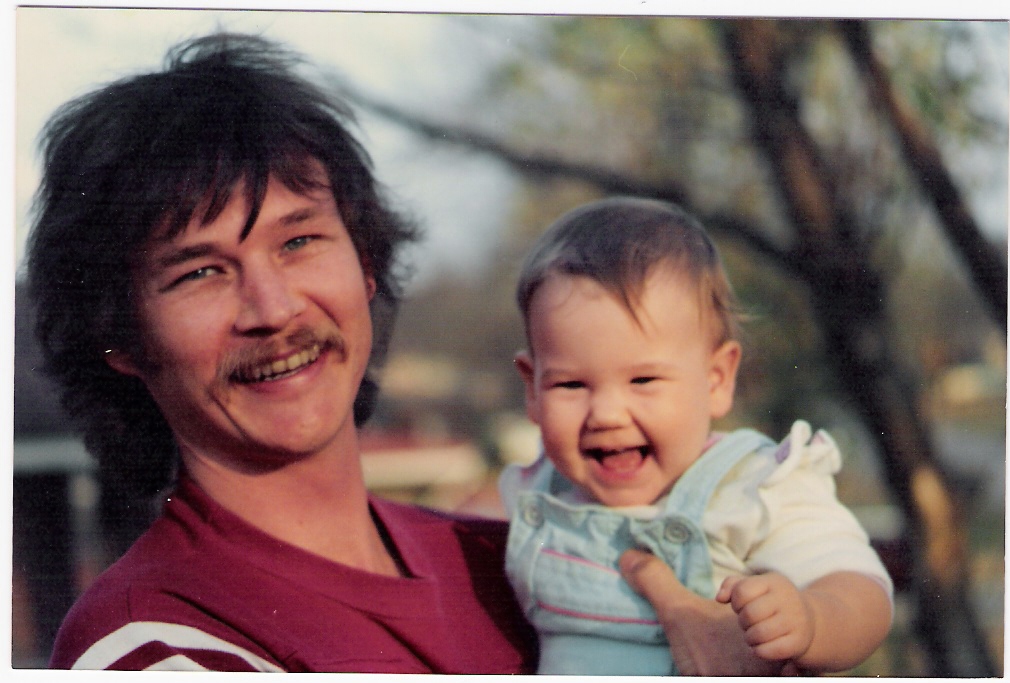
Here is Mark in a picture that was taken a few years ago with his daughter. Mark is a scientific thinker. He has been an excellent contributor to Vinaire’s Blog. The recent KHTK Postulates for Physics contain elements of his thinking.
.
 Vinaire's Blog
Here is Mark in a picture that was taken a few years ago with his daughter. Mark is a scientific thinker. He has been an excellent contributor to Vinaire’s Blog. The recent KHTK Postulates for Physics contain elements of his thinking.
.
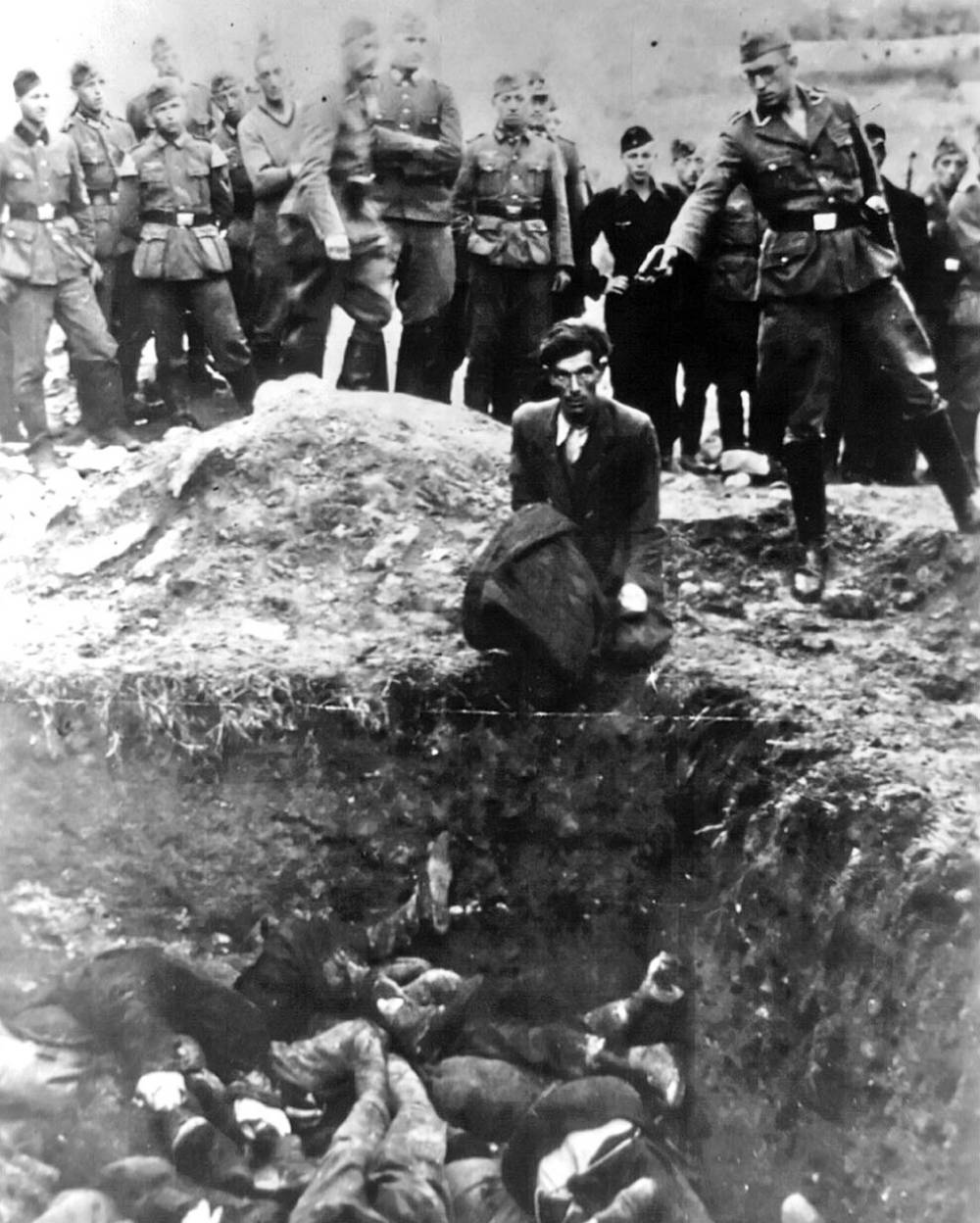
“The last Jew in Vinnitsa” – Member of Einsatzgruppe D (a Nazi SS death squad) is just about to shoot a Jewish man kneeling before a filled mass grave in Vinnitsa, Ukraine, in 1941. All 28,000 Jews from Vinnitsa and its surrounding areas were massacred.

From Wikipedia:
Spirit
The English word spirit comes from the Latin spiritus, meaning “breath”, but also “spirit, soul, courage, vigor”… It is distinguished from Latin anima, “soul”
Soul
… related to the notion of being “bound” in death, and the practice of ritually binding or restraining the corpse of the deceased in the grave to prevent his or her return as a ghost… It could refer to a ghost or spirit of the dead … and to a more philosophical notion of an immortal and immaterial essence left over at death … in English variously translated as “soul, self, life, creature, person, appetite, mind, living being, desire, emotion, passion”…
Self
The self is the subject of one’s own experience of phenomena: perception, emotions, thoughts. In phenomenology, it is conceived as what experiences, and there isn’t any experiencing without an experiencer, the self. The self is therefore an “immediate given”, an intrinsic dimension of the fact of experiencing phenomena.
.
So we have three different concepts here:
.
We find that, initially, the physical and spiritual aspects are seen as coexisting in a person. As religion considered the mysteries of birth and death, much thought was given to what happens at death. It was obvious that the physical body disintegrates after death, but do the spiritual aspects of the person disintegrate too?
Another problem was the wild beast nature latent in every person. Plato started out by considering the Ethical problem. That led to the Political problem; which, in turn, led to the Psychological problem. Plato then came up with a solution to this Psychological problem in terms of setting up internal controls. These controls involved the indoctrination of people into believing in a personal God who can judge, reward or punish them. Plato’s solution provided the groundwork for later religions, such as, Christianity, which provides a system of faith designed to set up internal controls to make people behave properly.
The idea of soul was introduced as part of this system of faith. It was assumed that the spiritual aspect of the person survived death. This was the soul of the person that retained the desires, emotions, and passions. The soul was then rewarded or punished based on the actions committed during the person’s life.
The spiritual aspect, which coexisted with the physical aspect, now came to be viewed as separable from each other. This idea was then projected back to the existence before death, and the soul was seen as living in the body but separate from it. This came to be viewed as the self of the person that is independent of the body.
Here we see an abstract idea of spirit evolving and gradually becoming personified as self.
.
Iqbal Bano, the subcontinent’s beloved ghazal singer, born in India and trained in the Dilli Gharana by the legendary Ustad Chand Khan, . In the hearts of all who knew and loved her music is the memory of that day: when, in protest against the jailing of the subcontinent’s foremost left poet Faiz Ahmad Faiz by Pakistan’s dictator General Zia-ul Haq, she sang Faiz’s immortal song “Hum Dekhenge” (We shall witness) at a Lahore stadium full of 50,000 people, wearing a black sari in defiance of Zia’s ban on the sari. As her liquid voice reached the crescendo — declaring “Certainly we, too, shall witness that day … When these high mountains/Of tyranny and oppression turn to fluff and evaporate/And we oppressed/Beneath our feet will this earth shiver, shake and beat/And heads of rulers will be struck/With crackling lightening and thunder roars/When crowns will be flung in the air — and thrones will be overturned …,” people joined with slogans of “Inquilab Zindabad” (Long live revolution!)
;;;;;;;;;;;;;;;;;;;;;;;LYRICS;;;;;;;;;;;;;;;;;;;;;;;;;;
Hum dekhenge
Lazim hai ke hum bhi dekhenge
Woh din ke jis ka waada hai
Jo loh-e-azl pe likha hai
Hum dekhenge
Jab zulm-o-sitam ke koh-e-garaan
Rui ki tarah ud jayenge
Hum mehkumoon ke paun tale
Yeh dharti dhad dhad dhadkagi
Aur ehl-e-hukum ke sar upar
Jab bijli kad kad kadkegi
Hum dekhenge
Jab arz-e-khuda ke Kabe se
Sab but uthwaye jayenge
Hum ahl-e-safa mardood-e-haram
Masnad pe bithaye jayenge
Sab taaj uchale jayenge
Sab takht giraye jayenga
Bas naam rahega Allah ka
Jo ghayab bhi hai hazir bhi
Jo nazir bhi hai manzar bhi
Uthega nalhaq ka naara
Jomain bhi hoon aur tum bhi ho
Aur raaj karegi khalq-e-khuda
Jo main bhi hoon aur tum bhi ho
Hum dekhenge
Lazim hai ke hum bhi dekhenge
Hum dekhenge

