
Reference: The Dianetics Axioms
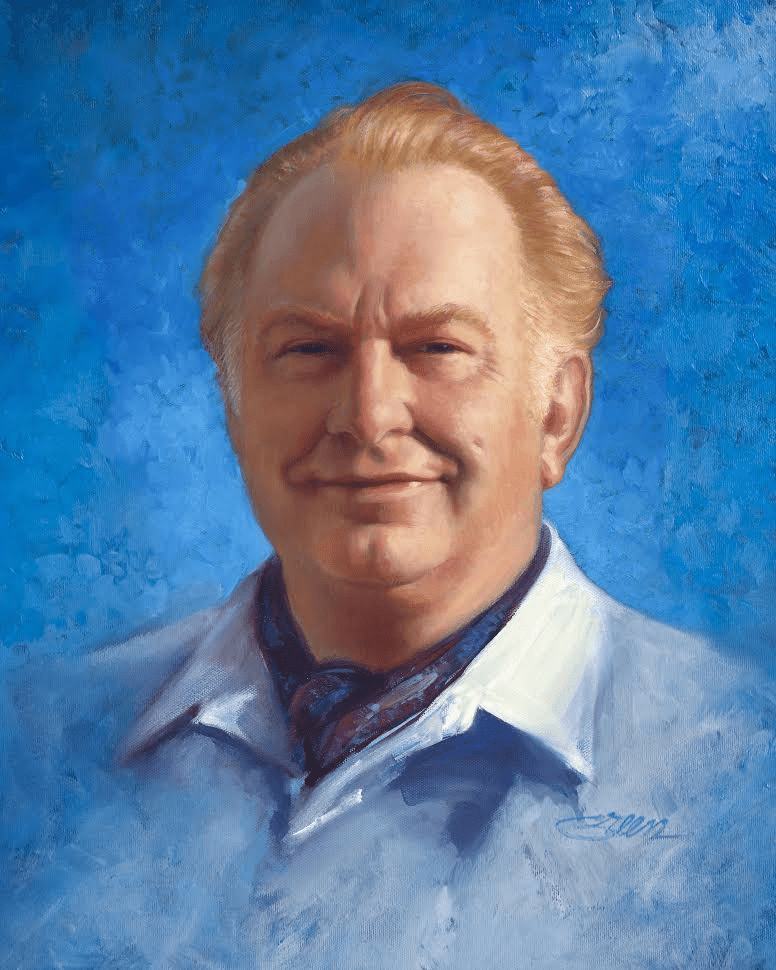
L. Ron Hubbard found that man is obeying very definite laws and rules which could be set forward in axioms. The very first and most fundamental of these is: The dynamic principle of existence is survive. That is the basic axiom of Dianetics.
The original Dianetic axioms are referenced below in black.
In color are corresponding axioms as seen through Postulate Mechanics (PM).
.
Executive Summary 2025
Pain is the randomity produced by sudden or strong counter-efforts, which is stored as that randomity in the mental matrix. When restimulated, it can reinflict itself upon the organism.
Past pain becomes ineffective upon the organism when the randomity of its area is addressed and aligned. Later areas of plus or minus randomity cannot be realigned easily until earlier areas are realigned.
Absolute good and absolute evil do not exist in this universe. That which is good for an organism allows it to evolve, and even assists its evolution. That which is evil inhibits the organism’s ability to assimilate. Happiness consists in assimilating hitherto unassimilated sensations that have been resistive.
Optimum survival behavior consists of effort on the dynamics in accordance with the natural laws. The worth of any organism consists of its value to the evolution along any dynamic.
.
Axioms 181-194
DN AXIOM 181: Pain is stored as plus or minus randomity
PM AXIOM 181: Pain is stored as plus or minus randomity.
.
DN AXIOM 182: Pain, as an area of plus or minus randomity, can reinflict itself upon the organism.
PM AXIOM 182: Pain, as an area of plus or minus randomity, can reinflict itself upon the organism.
.
DN AXIOM 183: Past pain becomes ineffective upon the organism when the randomity of its area is addressed and aligned.
PM AXIOM 183: Past pain becomes ineffective upon the organism when the randomity of its area is addressed and aligned.
.
DN AXIOM 184: The earlier the area of plus or minus randomity, the greater self-produced effort existed to repel it.
When a plus or minus randomity is first introduced, it has to be quite intense to not be assimilated. Later randomity is not assimilated mainly because it has similarity to earlier non-assimilated randomity. Therefore, the earlier is the area of plus or minus randomity, the greater is its resistance to assimilation.
PM AXIOM 184: The earlier the area of unassimilated sensation, the greater resistance it puts against assimilation.
.
DN AXIOM 185: Later areas of plus or minus randomity cannot be realigned easily until earlier areas are realigned.
Earlier areas lies nearer to the core of the randomity; whereas, later areas are toward the periphery.
PM AXIOM 185: Later areas of plus or minus randomity cannot be realigned easily until earlier areas are realigned.
.
DN AXIOM 186: Areas of plus or minus randomity become increased in activity when perceptions of similarity are introduced into them.
PM AXIOM 186: Areas of plus or minus randomity become increased in activity when perceptions of similarity are introduced into them.
.
DN AXIOM 187: Past areas of plus or minus randomity can be reduced and aligned by address to them in present time.
PM AXIOM 187: Past areas of plus or minus randomity can be reduced and aligned by address to them in present time.
.
DN AXIOM 188: Absolute good and absolute evil do not exist in the mest universe.
PM AXIOM 188: Absolute good and absolute evil do not exist in this universe.
.
DN AXIOM 189: That which is good for an organism may be defined as that which promotes the survival of that organism.
COROLLARY: Evil may be defined as that which inhibits or brings plus or minus randomity into the organism, which is contrary to the survival motives of the organism.
PM AXIOM 189: That which is good for an organism allows it to evolve, and even assists its evolution. That which is evil inhibits the organism’s ability to assimilate.
.
DN AXIOM 190: Happiness consists in the act of bringing alignment into hitherto resisting plus or minus randomity. Neither the act or action of attaining survival, nor the accomplishment of this act itself, brings about happiness.
PM AXIOM 190: Happiness consists in assimilating hitherto unassimilated sensations that have been resistive.
.
DN AXIOM 191: Construction is an alignment of data.
COROLLARY: Destruction is a plus or minus randomity of data. The effort of constructing is the alignment toward the survival of the aligning organism. Destruction is the effort of bringing randomity into an area.
PM AXIOM 191: Construction is alignment of data with the natural laws. Destruction is the effort of bringing randomity into an area.
.
DN AXIOM 192: Optimum survival behavior consists of effort in the maximum survival interest in everything concerned in the dynamics.
PM AXIOM 192: Optimum survival behavior consists of effort on the dynamics in accordance with the natural laws.
.
DN AXIOM 193: The optimum survival solution of any problem would consist of the highest attainable survival for every dynamic concerned.
PM AXIOM 193: The optimum survival solution of any problem would consist of the highest attainable survival for every dynamic concerned.
.
DN AXIOM 194: The worth of any organism consists of its value to the survival of its own THETA along any dynamic.
PM AXIOM 194: The worth of any organism consists of its value to the evolution along any dynamic.
.
