Category Archives: Subject Clearing

Happiness: Precept 1-3

Reference: The Happiness Rundown

1-3. Preserve your teeth

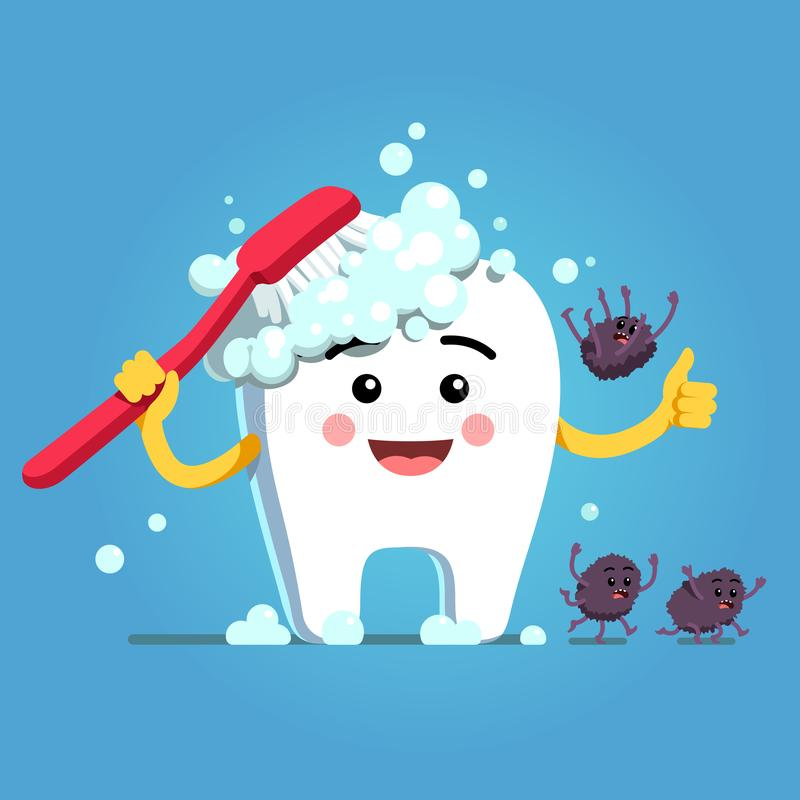
If one brushed one’s teeth after every meal, it has been said that one would not suffer tooth decay. This, or chewing gum after each meal, goes far toward defending others from oral diseases and bad breath. Suggest to others that they preserve their teeth. 

.

Exercise

0. Make sure you have completed the exercise section at Happiness: Precept 1-2. Study the precept above.

1. Check the responses to the following questions for false data (see false data steps at Happiness: Prologue).

(a) “Have you been told or taught not to preserve your teeth?”
(b) “Do you have any rules or ideas contrary to preserving your teeth?”
(c) “Have you been led to believe that you shouldn’t preserve your teeth?”
(d) “Do you know of anything that conflicts with preserving your teeth?”
(e) “Do you have any false data about preserving your teeth?”

.

2. Go over each of the following questions repetitively, until there are no more answers: 

(a) “How have others transgressed against the precept: ‘Preserve your teeth’?”
(b) “How have you transgressed against the precept: ‘Preserve your teeth’?”

Do a quick review to see if you did not miss any answers on this step. You should be feeling good about this step.

.

3. See if the following question definitely brings up some name you know of:

“Is there any specific person in your past who really transgressed against the precept: ‘Preserve your teeth’?”

If no name comes up then go to step 4. if a name has come up, then continue with step 3 as follows:

“Can you recall an exact moment when you observed ___(name)___ transgressing this precept?”

If there is a realization, go to step 4. Otherwise, continue contemplating as follows, until there is some realization.

“Is there any time when you wanted to be like ___(name)___ ?” 
“Is there any time when you decided that not preserving your teeth was a good thing?”
“Did you ever do anything bad to ___(name)___ ? 
(Get all possible answers)
“Are there any differences between ___(name)___ and yourself?”
“Are there any similarities between ___(name)___  and yourself?”

.

4. Handle any anomalies that come up on the following question by looking at the anomaly more closely. 

”Do you have any reservations about preserving your teeth?” 

If the anomaly does not resolve then review the precept as well as all the exercise steps above to see if anything was missed. Then do step 4 again. When there is no anomaly go to step 5.

.

5. Contemplate on the following question.

“Do you have any reservations about getting someone else to preserve their teeth?” 

If any reservation comes up, then consider the following: 

“How would that be a problem?” 

Get answers to this question until there are no reservations.

.

Happiness: Precept 1-2

Reference: The Happiness Rundown

1-2. Keep your body clean

People who do not bathe or wash their hands regularly can carry germs. They put you at risk. You are well within your rights to insist that people bathe regularly and wash their hands. It is inevitable that one gets dirty working or exercising. Get them to clean up afterwards. 

.

Exercise

0. Make sure you have completed the exercise section at Happiness: Precept 1-1. Study the precept above.

1. Check the responses to the following questions for false data (see false data steps at Happiness: Prologue).

(a) “Have you been told or taught not to keep your body clean?”
(b) “Do you have any rules or ideas contrary to keeping your body clean?”
(c) “Have you been led to believe that you shouldn’t keep your body clean?”
(d) “Do you know of anything that conflicts with keeping your body clean?”
(e) “Do you have any false data about keeping your body clean?”

.

2. Go over each of the following questions repetitively, until there are no more answers: 

(a) “How have others transgressed against the precept: ‘Keep your body clean’?”
(b) “How have you transgressed against the precept: ‘Keep your body clean’?”

Do a quick review to see if you did not miss any answers on this step. You should be feeling good about this step.

.

3. See if the following question definitely brings up some name you know of:

“Is there any specific person in your past who really transgressed against the precept: ‘Keep your body clean’?”

If no name comes up then go to step 4. if a name has come up, then continue with step 3 as follows:

“Can you recall an exact moment when you observed ___(name)___ transgressing this precept?”

If there is a realization, go to step 4. Otherwise, continue contemplating as follows, until there is some realization.

“Is there any time when you wanted to be like ___(name)___ ?” 
“Is there any time when you decided that not keeping your body clean was a good thing?”
“Did you ever do anything bad to ___(name)___ ? 
(Get all possible answers)
“Are there any differences between ___(name)___ and yourself?”
“Are there any similarities between ___(name)___  and yourself?”

.

4. Handle any anomalies that come up on the following question by looking at the anomaly more closely. 

”Do you have any reservations about keeping your body clean?” 

If the anomaly does not resolve then review the precept as well as all the exercise steps above to see if anything was missed. Then do step 4 again. When there is no anomaly go to step 5.

.

5. Contemplate on the following question.

“Do you have any reservations about getting someone else to keep their body clean?” 

If any reservation comes up, then consider the following: 

“How would that be a problem?” 

Get answers to this question until there are no reservations.

.
Happiness: Precept 1-1

Reference: The Happiness Rundown

1-1. Get care when you are ill

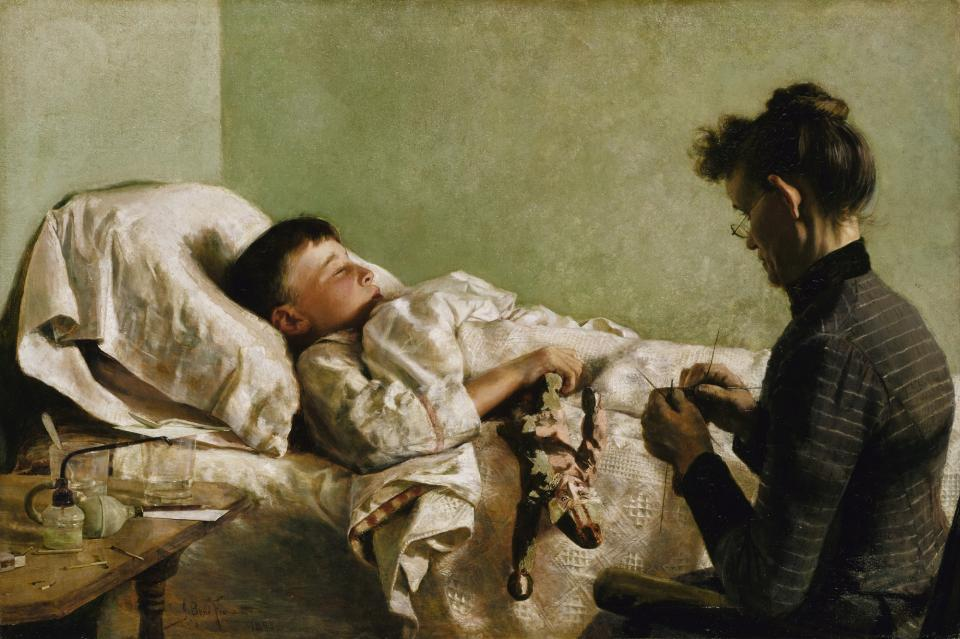
When they are ill, even with communicable diseases, people often do not isolate themselves or seek proper treatment. This, as you can easily see, tends to put you at risk. Insist that when someone is ill that he or she takes the proper precautions and gets proper care. 

.

Exercise

0. Make sure you have completed the exercise section at Happiness: Precept 1. Study the precept above.

1. Check the responses to the following questions for false data (see false data steps at Happiness: Prologue).

(a) “Have you been told or taught not to get care when you are ill?”
(b) “Do you have any rules or ideas contrary to getting care when you are ill?”
(c) “Have you been led to believe that you shouldn’t get care when you are ill?”
(d) “Do you know of anything that conflicts with getting care when you are ill?”
(e) “Do you have any false data about getting care when you are ill?”

.

2. Go over each of the following questions repetitively, until there are no more answers: 

(a) “How have others transgressed against the precept: ‘Get care when you are ill’?”
(b) “How have you transgressed against the precept: ‘Get care when you are ill’?”

Do a quick review to see if you did not miss any answers on this step. You should be feeling good about this step.

.

3. See if the following question definitely brings up some name you know of:

“Is there any specific person in your past who really transgressed against the precept: ‘Get care when you are ill’?”

If no name comes up then go to step 4. if a name has come up, then continue contemplating as follows:

“Can you recall an exact moment when you observed ___(name)___ transgressing this precept?”

If there is a realization, go to step 4. Otherwise, continue contemplating as follows, until there is some realization.

“Is there any time when you wanted to be like ___(name)___ ?” 
“Is there any time when you decided that not getting care when you were ill was a good thing?”
“Did you ever do anything bad to ___(name)___ ? 
(Get all possible answers)
“Are there any differences between ___(name)___ and yourself?”
“Are there any similarities between ___(name)___  and yourself?”

.

4. Handle any anomalies that come up on the following question by looking at the anomaly more closely. 

”Do you have any reservations about getting care when you are ill?” 

If the anomaly does not resolve then review the precept as well as all the exercise steps above to see if anything was missed. Then do step 4 again. When there is no anomaly go to step 5.

.

5. Contemplate on the following question.

“Do you have any reservations about getting someone else to keep the precept: ‘Get care when you are ill’?” 

If any reservation comes up, then consider the following: 

“How would that be a problem?” 

Get answers to this question until there are no reservations.

.

Happiness: Precept 1

Reference: The Happiness Rundown

1. TAKE CARE OF YOURSELF 

1-1. Get care when you are ill. When they are ill, even with communicable diseases, people often do not isolate themselves or seek proper treatment. This, as you can easily see, tends to put you at risk. Insist that when someone is ill that he or she takes the proper precautions and gets proper care. 

1-2. Keep your body clean. People who do not bathe or wash their hands regularly can carry germs. They put you at risk. You are well within your rights to insist that people bathe regularly and wash their hands. It is inevitable that one gets dirty working or exercising. Get them to clean up afterwards. 

1-3. Preserve your teeth. If one brushed one’s teeth after every meal, it has been said that one would not suffer tooth decay. This, or chewing gum after each meal, goes far toward defending others from oral diseases and bad breath. Suggest to others that they preserve their teeth. 

1-4. Eat properly. People who do not eat properly are not of much help to you or themselves. They tend to have a low energy level. They are sometimes ill-tempered. They become ill more easily. It doesn’t require strange diets to eat properly but it does require that one eats nourishing food regularly. 

1-5. Get rest. Although many times in life one has to work beyond normal sleep periods, a person’s general failure to get proper rest can make him or her a burden to others. Tired people are not alert. They can make mistakes. They have accidents. Just when you need them they can dump the whole workload on one. They put others at risk. Insist that people who do not get proper rest do so.

.

Exercise

0. Make sure you have completed the exercise section at Happiness: Prologue. Study the precept above.

1. Check the responses to the following questions for false data (see false data steps at Happiness: Prologue).

(a) “Have you been told or taught not to take care of yourself?”
(b) “Do you have any rules or ideas contrary to taking care of yourself?”
(c) “Have you been led to believe that you shouldn’t take care of yourself?”
(d) “Do you know of anything that conflicts with taking care of yourself?”
(e) “Do you have any false data about taking care of yourself?”

.

2. Go over each of the following questions repetitively, until there are no more answers: 

(a) “How have others transgressed against the precept: ‘Take care of yourself’?”
(b) “How have you transgressed against the precept: ‘Take care of yourself’?”

Do a quick review to see if you did not miss any answers on this step. You should be feeling good about this step.

.

3. See if the following question definitely brings up some name you know of:

“Is there any specific person in your past who really transgressed against the precept: ‘Take care of yourself’?”

If no name comes up then go to step 4. if a name has come up, then continue with step 3 as follows:

“Can you recall an exact moment when you observed ___(name)___ transgressing this precept?”

If there is a realization, go to step 4. Otherwise, continue contemplating as follows, until there is some realization.

“Is there any time when you wanted to be like ___(name)___ ?” 
“Is there any time when you decided that not taking care of yourself was a good thing?”
“Did you ever do anything bad to ___(name)___ ?
(Get all possible answers)
“Are there any differences between ___(name)___ and yourself?”
“Are there any similarities between ___(name)___  and yourself?”

.

4. Handle any anomalies that come up on the following question by looking at the anomaly more closely. 

”Do you have any reservations about taking care of yourself?” 

If the anomaly does not resolve then review the precept as well as all the exercise steps above to see if anything was missed. Then do step 4 again. When there is no anomaly go to step 5.

.

5. Contemplate on the following question.

“Do you have any reservations about getting someone else to take care of himself or herself?” 

If any reservation comes up, then consider the following: 

“How would that be a problem?” 

Get answers to this question until there are no reservations.

.
Happiness: Prologue

Reference: The Happiness Rundown

HAPPINESS

True joy and happiness are valuable.

If one does not survive, no joy and no happiness are obtainable.

Trying to survive in a chaotic, dishonest and generally immoral society is difficult.

Any individual or group seeks to obtain from life what pleasure and freedom from pain that

he or they can.

Your own survival can be threatened by the bad actions of others around you.

Your own happiness can be turned to tragedy and sorrow by the dishonesty and misconduct

of others.

I am sure you can think of instances of this actually happening. Such wrongs reduce one’s

survival and impair one’s happiness.

You are important to other people. You are listened to. You can influence others.

The happiness or unhappiness of others you could name is important to you.

Without too much trouble, using this book, you can help them survive and lead happier lives.

While no one can guarantee that anyone else can be happy, their chances of survival and

happiness can be improved. And with theirs, yours will be.

It is in your power to point the way to a less dangerous and happier life.

.

Introduction to the Exercise

The booklet gives the information and stable data which one can use in life. These exercises handle any confusions or charge of the past which could get in one’s way. By freeing one up from charge of the past, a fresh start is possible. 

It is well known that nobody is perfect and as the subject of conduct and good behavior may have been quite confusing in the past, it is not surprising that all of us have made errors in our conduct. You may be reminded of some of these during these exercises. It is okay to look at something about yourself that seems discreditable or embarrassing. Such things usually seem much worse before they have been examined and one feels better after examining them in detail. You should not judge yourself based on what has happened in the past. These are lessons good or bad that help you attain a happier life. 

.

False Data Steps

Make sure you know these steps to handle false data:

  1. Look at the idea that came up in response to the question. 
  2. Find the source of the idea—either a person, book, TV, newspaper, movie, school or something else.
  3. See if you can recall the exact moment when you received that data.
  4. Look at how that data seems to you now.

.

Exercise

1. Make sure you understand the meaning of the following words: “precept,” “transgress,” “transgressed,” “transgression,” “survival,” “happiness,” “chaotic,” “immoral,” and “false data.” (See Glossary: The Way to Happiness).

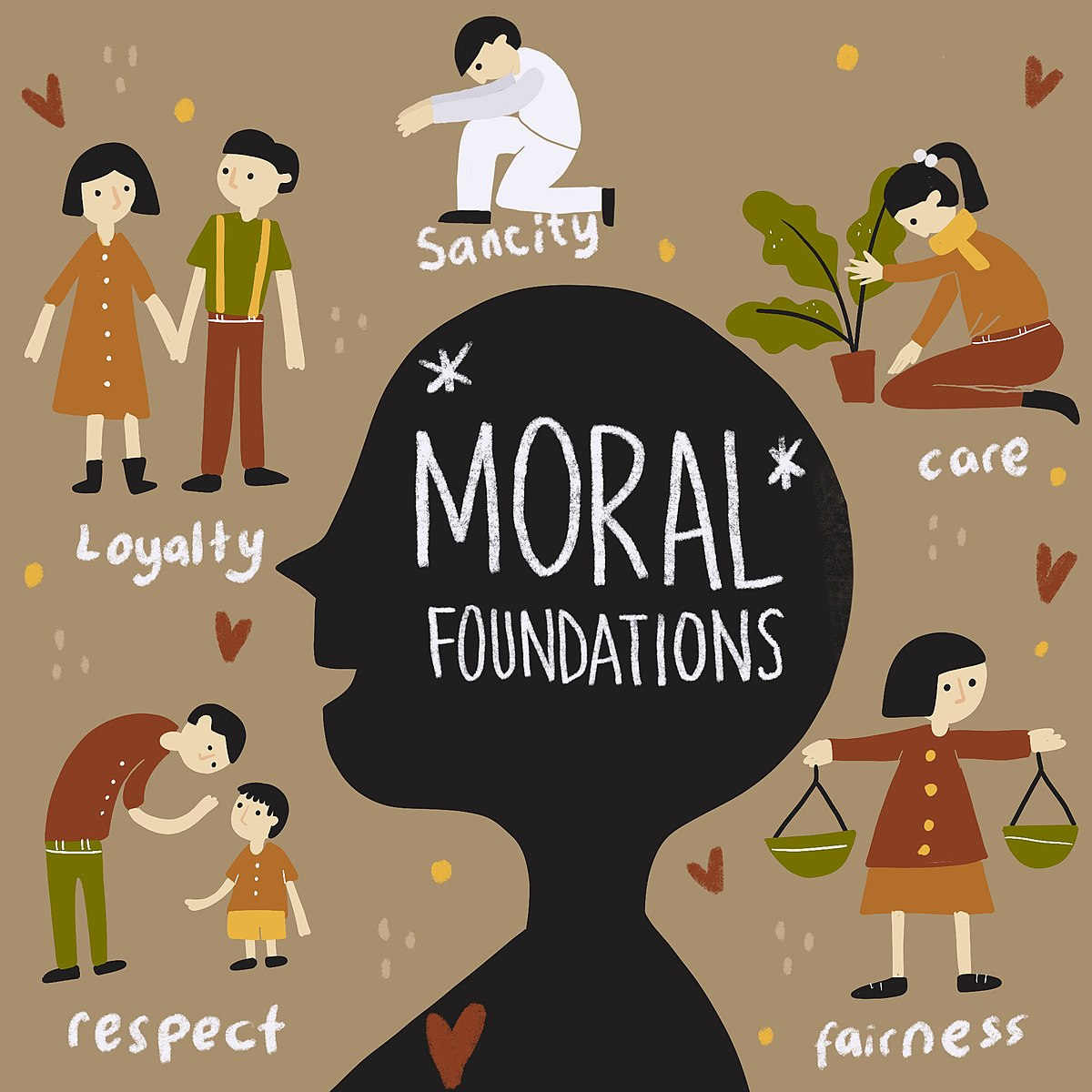
2. Clear the words “moral” and “morality” from the glossary and regular dictionary.

MORAL
Able to know right from wrong in conduct; deciding and acting from that understanding. First recorded in 1300–50; Middle English, from Latin mōrālis, equivalent to mōr- (stem of mōs) “usage, custom” + -ālis-al1

Morals, ethics refer to rules and standards of conduct and practice. Morals refers to generally accepted customs of conduct and right living in a society, and to the individual’s practice in relation to these: the morals of our civilization. Ethics now implies high standards of honest and honorable dealing, and of methods used, especially in the professions or in business: ethics of the medical profession.

MORALITY

  1. conformity to the rules of right conduct; moral or virtuous conduct.
  2. moral quality or character.
  3. virtue in sexual matters; chastity.
  4. a doctrine or system of morals.
  5. moral instruction; a moral lesson, precept, discourse, or utterance.
  6. morality playan allegorical form of the drama current from the 14th to 16th centuries and employing such personified abstractions as Virtue, Vice, Greed, Gluttony, etc.

3. Contemplate over the question: “Have you been told or taught that the word ‘moral’ meant something different?

If yes, then check for false data (see the steps above).

4. Contemplate over the question: “Do you have any rules or ideas about morality that are contrary to the definition of the word?

If yes, then check for false data.

5. Contemplate over the question: “Have you been given any beliefs on the subject of morality that don’t make sense?”

If yes, then check for false data.

6. Contemplate over the question: “Have you run into a moral code that you found impossible to keep?”

If yes, then check for false data.

7. Contemplate over the question: “Do you have any false data on the subject of morality?”

If yes, then check for false data.

8. Look at your ideas and considerations about morality now, and see if there is still some anomaly that you need to resolve.

If so, then look at that anomaly more closely until it resolves. Repeat this step until no anomaly appears.

.