
Reference: Postulate Mechanics
What Is Suffering?
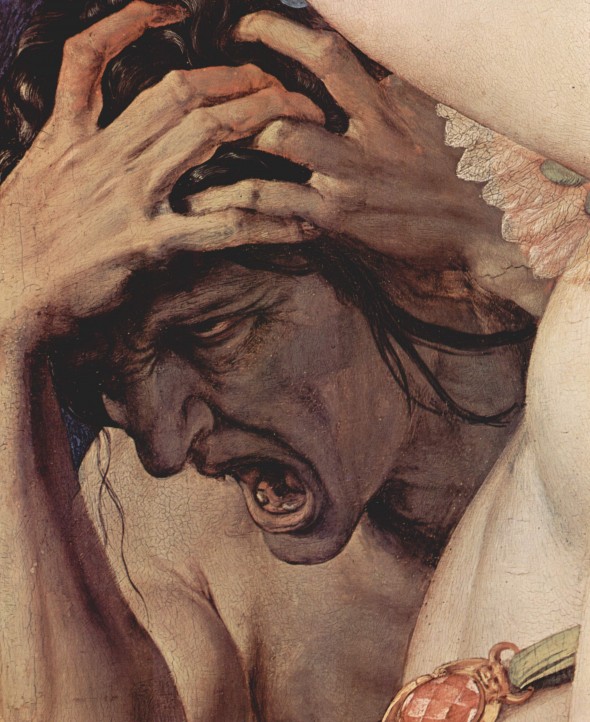
A long time ago, a wise teacher named the Buddha said that life has suffering in it. That means sometimes things hurt, feel bad, or just don’t go the way we want. Getting sick, losing something you love, or not getting what you wished for — these are all kinds of suffering.
Think of life like a song. When everything is working together nicely, it sounds beautiful — that’s called harmony. But when something goes wrong, like a wrong note gets played, the song sounds off. That “wrong note” feeling? That’s suffering.
The good news is, if you can figure out exactly which note is wrong, you can fix it one at a time and make the song sound beautiful again.
.
Why Does Suffering Happen?
Buddha said suffering happens because of wanting too much — like always wishing things were different, or always needing more stuff to feel okay.
But there’s more to it than that. Imagine your brain is like a river. Water naturally flows downstream — that’s like a healthy, curious mind that wants to learn and grow. Suffering happens when the river gets blocked, twisted, or sent in the wrong direction. The water (your desires) isn’t bad. It’s when it gets messed up that problems start.
.
Can Suffering Stop?
Yes! Buddha said that if you stop clinging to things so tightly, you can find peace. This peaceful, free feeling is called Nirvana — like finally reaching a calm, clear lake after a long journey.
But here’s the tricky part: there are SO many things we get attached to, and SO many little worries and bad habits, that it can feel really overwhelming. It’s like trying to pull out weeds one by one from a giant garden.
The secret is finding that ONE main root that connects all the weeds. Pull THAT out, and all the other weeds get easier to handle. Finding that root takes serious focus and effort.
.
What’s the Path to Feeling Better?
Buddha called it the Middle Way — don’t go too far one way or the other. Not too much eating, not too little. Not too lazy, not too stressed. Like Goldilocks finding the porridge that was just right.
But a lot of people get confused along the way because of misconceptions — that’s a fancy word for wrong ideas. For example, some people have wrong ideas about what the universe is made of, or about how thoughts and feelings actually work inside us.
.
The Big Question: Who Is the “I” That Suffers?
Here’s something really interesting to think about. As humans evolved over millions of years, we got smarter and smarter, until eventually we started thinking thoughts like:
- “I feel hurt.”
- “I want more.”
- “I am suffering.”
But wait — who exactly is that “I”?
Rocks don’t say “I’m suffering.” Plants don’t say “I want things.” Only humans do. So this sense of “I” — this feeling that there’s a ME inside — is something really new and special in the universe.
Understanding what that “I” really is might be the most important key to understanding suffering at all. And that’s what this book keeps exploring.
The big idea: Life can feel out of tune sometimes, and that’s suffering. The more we understand what’s causing the wrong notes — and who is listening — the better we can bring the music back to harmony.
.
