Reference: Course on The Bhagavad Gita
English Translation By Shri Purohit Swami
NOTE: The BG verses are followed by subject clearing in color.
.
Chapter 2
सञ्जयउवाच
तंतथाकृपयाऽविष्टमश्रुपूर्णाकुलेक्षणम्।
विषीदन्तमिदंवाक्यमुवाचमधुसूदनः।।2.1।।
2.1 Sanjaya then told how the Lord Shri Krishna, seeing Arjuna overwhelmed with compassion, his eyes dimmed with flowing tears and full of despondency, consoled him:
श्रीभगवानुवाच
कुतस्त्वाकश्मलमिदंविषमेसमुपस्थितम्।
अनार्यजुष्टमस्वर्ग्यमकीर्तिकरमर्जुन।।2.2।।
2.2 The Lord said: My beloved friend! Why yield, just on the eve of battle, to this weakness which does no credit to those who call themselves Aryans, and only brings them infamy and bars against them the gates of heaven?
क्लैब्यंमास्मगमःपार्थनैतत्त्वय्युपपद्यते।
क्षुद्रंहृदयदौर्बल्यंत्यक्त्वोत्तिष्ठपरन्तप।।2.3।।
2.3 O Arjuna! Why give way to unmanliness? O thou who art the terror of thine enemies! Shake off such shameful effeminacy, make ready to act!
BG Verses 2.1-2.3
Krishna exhorted Arjuna not to give in to this weakness (of attachment) on the eve of battle. It does not befit him as an Aryan. He must get up and fight like a man.
NOTE: Up to this point Aryans had fought bravely against other races of India to conquer them. This was the first time they were encountering an enemy within their own race in the form of injustice and suppression.
अर्जुनउवाच
कथंभीष्ममहंसंख्येद्रोणंचमधुसूदन।
इषुभिःप्रतियोत्स्यामिपूजार्हावरिसूदन।।2.4।।
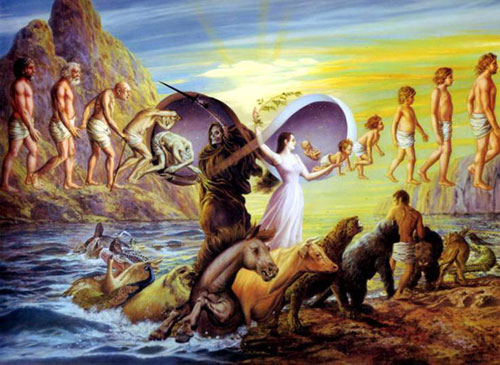
2.4 Arjuna argued: My Lord! How can I, when the battle rages, send an arrow through Bheeshma and Drona, who should receive my reverence?
गुरूनहत्वाहिमहानुभावान्श्रेयोभोक्तुंभैक्ष्यमपीहलोके।
हत्वार्थकामांस्तुगुरूनिहैवभुञ्जीयभोगान्रुधिरप्रदिग्धान्।।2.5।।
2.5 Rather would I content myself with a beggar’s crust that kill these teachers of mine, these precious noble souls! To slay these masters who are my benefactors would be to stain the sweetness of life’s pleasures with their blood.
नचैतद्विद्मःकतरन्नोगरीयोयद्वाजयेमयदिवानोजयेयुः।
यानेवहत्वानजिजीविषामस्तेऽवस्थिताःप्रमुखेधार्तराष्ट्राः।।2.6।।
2.6 Nor can I say whether it were better that they conquer me or for me to conquer them, since would no longer care to live if I killed these sons of Dhritarashtra, now preparing for fight.
कार्पण्यदोषोपहतस्वभावःपृच्छामित्वांधर्मसंमूढचेताः।
यच्छ्रेयःस्यान्निश्िचतंब्रूहितन्मेशिष्यस्तेऽहंशाधिमांत्वांप्रपन्नम्।।2.7।।
2.7 My heart is oppressed with pity; and my mind confused as to what my duty is. Therefore, my Lord, tell me what is best for my spiritual welfare, for I am Thy disciple. Please direct me, I pray.
नहिप्रपश्यामिममापनुद्याद्यच्छोकमुच्छोषणमिन्द्रियाणाम्।
अवाप्यभूमावसपत्नमृद्धम्राज्यंसुराणामपिचाधिपत्यम्।।2.8।।
2.8 For should I attain the monarchy of the visible world, or over the invisible world, it would not drive away the anguish which is now paralyzing my senses.
सञ्जयउवाच
एवमुक्त्वाहृषीकेशंगुडाकेशःपरन्तप।
नयोत्स्यइतिगोविन्दमुक्त्वातूष्णींबभूवह।।2.9।।
2.9 Sanjaya continued: “Arjuna, the conqueror of all enemies, then told the Lord of All-Hearts that he would not fight, and became silent, O King!
BG Verses 2.4-2.9
Arjuna’s great dilemma was, “How can I kill my revered teachers who have been my benefactors all my life? How can I kill my own cousins who make up my clan? Won’t that go against all traditions and be a great sin?”
NOTE: Arjuna’s duty was to fight against the enemy. Here the enemy were the supporters of cruel oppression and injustice.
तमुवाचहृषीकेशःप्रहसन्निवभारत।
सेनयोरुभयोर्मध्येविषीदन्तमिदंवचः।।2.10।।
2.10 Thereupon the Lord, with a gracious smile, addressed him who was so much depressed in the midst of the two armies.
श्री भगवानुवाच
अशोच्यानन्वशोचस्त्वं प्रज्ञावादांश्च भाषसे।
गतासूनगतासूंश्च नानुशोचन्ति पण्डिताः।।2.11।।
2.11 Lord Shri Krishna said: Why grieve for those for whom no grief is due, and yet profess wisdom? The wise grieve neither for the dead nor the living.
न त्वेवाहं जातु नासं न त्वं नेमे जनाधिपाः।
न चैव न भविष्यामः सर्वे वयमतः परम्।।2.12।।
2.12 There was never a time when I was not, nor thou, nor these princes were not; there will never be a time when we shall cease to be.
BG Verses 2.10-2.12
Lord Krishna understood immediately that the wavering of Arjuna came from his emotional attachment to some of his opponents in this conflict. So, to persuade Arjuna to fight, he starts by explaining the true nature of Self or Atman.
NOTE: The true Self or Atman is the spirit that pervades everything. The individual self or the uniqueness of a person is just a form of that spirit. Lord Krishna is trying to bring Arjuna’s awareness up to realizing that the true nature of the beings is the universal spirit and not the individual form it takes.
देहिनोऽस्मिन्यथा देहे कौमारं यौवनं जरा।
तथा देहान्तरप्राप्तिर्धीरस्तत्र न मुह्यति।।2.13।।
2.13 As the soul experiences in this body infancy, youth and old age, so finally it passes into another. The wise have no delusion about this.
मात्रास्पर्शास्तु कौन्तेय शीतोष्णसुखदुःखदाः।
आगमापायिनोऽनित्यास्तांस्तितिक्षस्व भारत।।2.14।।
2.14 Those external relations which bring cold and heat, pain and happiness, they come and go; they are not permanent. Endure them bravely, O Prince!
यं हि न व्यथयन्त्येते पुरुषं पुरुषर्षभ।
समदुःखसुखं धीरं सोऽमृतत्वाय कल्पते।।2.15।।
2.15 The hero whose soul is unmoved by circumstance, who accepts pleasure and pain with equanimity, only he is fit for immortality.
नासतो विद्यते भावो नाभावो विद्यते सतः।
उभयोरपि दृष्टोऽन्तस्त्वनयोस्तत्त्वदर्शिभिः।।2.16।।
2.16 That which is not, shall never be; that which is, shall never cease to be. To the wise, these truths are self-evident.
अविनाशि तु तद्विद्धि येन सर्वमिदं ततम्।
विनाशमव्ययस्यास्य न कश्चित् कर्तुमर्हति।।2.17।।
2.17 The Spirit, which pervades all that we see, is imperishable. Nothing can destroy the Spirit.
BG Verses 2.13-2.17
The embodied spirit passes from one body to another. The sensory perceptions that appear and disappear are impermanent. A person who stays steady in the face of such changing feelings is a liberated person, for he sees things as they are. That which pervades all things is imperishable.
NOTE: It is a certain form of the spirit that passes from one body to another, and not the spirit itself which pervades everything. That certain form consists of the impressions of karma on the spirit. Lord Krishna is exhorting Arjuna to focus on the spirit and not on its transitory forms.
अन्तवन्त इमे देहा नित्यस्योक्ताः शरीरिणः।
अनाशिनोऽप्रमेयस्य तस्माद्युध्यस्व भारत।।2.18।।
2.18 The material bodies which this Eternal, Indestructible, Immeasurable Spirit inhabits are all finite. Therefore fight, O Valiant Man!
य एनं वेत्ति हन्तारं यश्चैनं मन्यते हतम्।
उभौ तौ न विजानीतो नायं हन्ति न हन्यते।।2.19।।
2.19 He who thinks that the Spirit kills, and he who thinks of It as killed, are both ignorant. The Spirit kills not, nor is It killed.
न जायते म्रियते वा कदाचि न्नायं भूत्वा भविता वा न भूयः।
अजो नित्यः शाश्वतोऽयं पुराणो न हन्यते हन्यमाने शरीरे।।2.20।।
2.20 It was not born; It will never die, nor once having been, can It cease to be. Unborn, Eternal, Ever-enduring, yet Most Ancient, the Spirit dies not when the body is dead.
वेदाविनाशिनं नित्यं य एनमजमव्ययम्।
कथं स पुरुषः पार्थ कं घातयति हन्ति कम्।।2.21।।
2.21 He who knows the Spirit as Indestructible, Immortal, Unborn, Always-the-Same, how should he kill or cause to be killed?
BG Verses 2.18-2.21
The material bodies are perishable, but the spirit is eternal and immeasurable. It neither slays nor is slain. It never takes birth nor dies. It is neither manifest nor unmanifest. It is unborn, ancient and eternal. When body dies, the spirit does not cease to be. A person who knows the truth can only destroy the form but not the spirit.
NOTE: These verses do not explicitly mention karma as impressions on the mind of the person. Instead such impressions of karma are included in the concept of “material bodies” that are perishable. Yes, this is confusing; but this is the best explanation.
वासांसि जीर्णानि यथा विहाय नवानि गृह्णाति नरोऽपराणि।
तथा शरीराणि विहाय जीर्णा न्यन्यानि संयाति नवानि देही।।2.22।।
2.22 As a man discards his threadbare robes and puts on new, so the Spirit throws off Its worn-out bodies and takes fresh ones.
नैनं छिन्दन्ति शस्त्राणि नैनं दहति पावकः।
न चैनं क्लेदयन्त्यापो न शोषयति मारुतः।।2.23।।
2.23 Weapons cleave It not, fire burns It not, water drenches It not, and wind dries It not.
अच्छेद्योऽयमदाह्योऽयमक्लेद्योऽशोष्य एव च।
नित्यः सर्वगतः स्थाणुरचलोऽयं सनातनः।।2.24।।
2.24 It is impenetrable; It can be neither drowned nor scorched nor dried. It is Eternal, All-pervading, Unchanging, Immovable and Most Ancient.
अव्यक्तोऽयमचिन्त्योऽयमविकार्योऽयमुच्यते।
तस्मादेवं विदित्वैनं नानुशोचितुमर्हसि।।2.25।।
2.25 It is named the Unmanifest, the Unthinkable, the immutable. Wherefore, knowing the Spirit as such, thou hast no cause to grieve.
अथ चैनं नित्यजातं नित्यं वा मन्यसे मृतम्।
तथापि त्वं महाबाहो नैवं शोचितुमर्हसि।।2.26।।
2.26 Even if thou thinkest of It as constantly being born, constantly dying, even then, O Mighty Man, thou still hast no cause to grieve.
जातस्य हि ध्रुवो मृत्युर्ध्रुवं जन्म मृतस्य च।
तस्मादपरिहार्येऽर्थे न त्वं शोचितुमर्हसि।।2.27।।
2.27 For death is as sure for that which is born, as birth is for that which is dead. Therefore grieve not for what is inevitable.
अव्यक्तादीनि भूतानि व्यक्तमध्यानि भारत।
अव्यक्तनिधनान्येव तत्र का परिदेवना।।2.28।।
2.28 The end and the beginning of beings are unknown. We see only the intervening formations. Then what cause is there for grief?
BG Verses 2.22-2.28
The Spirit throws off Its worn-out bodies and takes fresh ones. It is not affected by weapons, fire, water or wind. It is impenetrable, eternal, all-pervading, unchanging, immovable and most ancient. It is named the Unmanifest, the Unthinkable, the Immutable. It may be considered as constantly being born and dying; because birth and death are inevitable. We have no idea of what happens before birth and after death. We see only the intervening formations.
NOTE: This describes a state of awareness that is free of all karma, identifications, and attachments. It is perceived only when manifested as a formation through the elements of this universe.
आश्चर्यवत्पश्यति कश्चिदेन माश्चर्यवद्वदति तथैव चान्यः।
आश्चर्यवच्चैनमन्यः श्रृणोति श्रुत्वाप्येनं वेद न चैव कश्चित्।।2.29।।
2.29 One hears of the Spirit with surprise, another thinks It marvelous, the third listens without comprehending. Thus, though many are told about It, scarcely is there one who knows It.
देही नित्यमवध्योऽयं देहे सर्वस्य भारत।
तस्मात्सर्वाणि भूतानि न त्वं शोचितुमर्हसि।।2.30।।
2.30 Be not anxious about these armies. The Spirit in man is imperishable.
स्वधर्ममपि चावेक्ष्य न विकम्पितुमर्हसि।
धर्म्याद्धि युद्धाछ्रेयोऽन्यत्क्षत्रियस्य न विद्यते।।2.31।।
2.31 Thou must look at thy duty. Nothing can be more welcome to a soldier than a righteous war. Therefore to waver in this resolve is unworthy, O Arjuna!
यदृच्छया चोपपन्नं स्वर्गद्वारमपावृतम्।
सुखिनः क्षत्रियाः पार्थ लभन्ते युद्धमीदृशम्।।2.32।।
2.32 Blessed are the soldiers who find their opportunity. This opportunity has opened for thee the gates of heaven.
अथ चैत्त्वमिमं धर्म्यं संग्रामं न करिष्यसि।
ततः स्वधर्मं कीर्तिं च हित्वा पापमवाप्स्यसि।।2.33।।
2.33 Refuse to fight in this righteous cause, and thou wilt be a traitor, lost to fame, incurring only sin.
अकीर्तिं चापि भूतानि कथयिष्यन्ति तेऽव्ययाम्।
संभावितस्य चाकीर्तिर्मरणादतिरिच्यते।।2.34।।
2.34 Men will talk forever of thy disgrace; and to the noble, dishonor is worse than death.
भयाद्रणादुपरतं मंस्यन्ते त्वां महारथाः।
येषां च त्वं बहुमतो भूत्वा यास्यसि लाघवम्।।2.35।।
2.35 Great generals will think that thou hast fled from the battlefield through cowardice; though once honored thou wilt seem despicable.
अवाच्यवादांश्च बहून् वदिष्यन्ति तवाहिताः।
निन्दन्तस्तव सामर्थ्यं ततो दुःखतरं नु किम्।।2.36।।
2.36 Thine enemies will spread scandal and mock at thy courage. Can anything be more humiliating?
हतो वा प्राप्स्यसि स्वर्गं जित्वा वा भोक्ष्यसे महीम्।
तस्मादुत्तिष्ठ कौन्तेय युद्धाय कृतनिश्चयः।।2.37।।
2.37 If killed, thou shalt attain Heaven; if victorious, enjoy the kingdom of earth. Therefore arise, O Son of Kunti, and fight!
सुखदुःखे समे कृत्वा लाभालाभौ जयाजयौ।
ततो युद्धाय युज्यस्व नैवं पापमवाप्स्यसि।।2.38।।
2.38 Look upon pleasure and pain, victory and defeat, with an equal eye. Make ready for the combat, and thou shalt commit no sin.
एषा तेऽभिहिता सांख्ये बुद्धिर्योगे त्विमां श्रृणु।
बुद्ध्यायुक्तो यया पार्थ कर्मबन्धं प्रहास्यसि।।2.39।।
2.39 I have told thee the philosophy of Knowledge. Now listen and I will explain the philosophy of Action, by means of which, O Arjuna, thou shalt break through the bondage of all action.
नेहाभिक्रमनाशोऽस्ति प्रत्यवायो न विद्यते।
स्वल्पमप्यस्य धर्मस्य त्रायते महतो भयात्।।2.40।।
2.40 On this Path, endeavor is never wasted, nor can it ever be repressed. Even a very little of its practice protects one from great danger
व्यवसायात्मिका बुद्धिरेकेह कुरुनन्दन।
बहुशाखा ह्यनन्ताश्च बुद्धयोऽव्यवसायिनाम्।।2.41।।
2.41 By its means, the straying intellect becomes steadied in the contemplation of one object only; whereas the minds of the irresolute stray into bypaths innumerable.
BG Verses 2.29-2.41
People react differently when they hear about the Spirit; but scarcely anyone knows it. Since this Spirit is imperishable there need not be any anxiety about soldiers dying in a just war. A soldier’s duty is to fight a righteous war to the best of his ability regardless of pleasure and pain, victory and defeat. This is expected of the soldier by everyone around him. The path of action bound by a strong sense of duty focuses the mind on the contemplation of one object only. It steadies the straying intellect. It helps a person break through the bondage of all action. On this Path, endeavor is never wasted, nor can it ever be repressed.
NOTE: A person who executes his duty, whatever it is, to his level best, keeps him well-balanced, and admired by others. Steady focus on his duty can help a person overcome his karma.
यामिमां पुष्पितां वाचं प्रवदन्त्यविपश्चितः।
वेदवादरताः पार्थ नान्यदस्तीति वादिनः।।2.42।।
2.42 Only the ignorant speak in figurative language. It is they who extol the letter of the scriptures, saying, ‘There is nothing deeper than this.’
कामात्मानः स्वर्गपरा जन्मकर्मफलप्रदाम्।
क्रियाविशेषबहुलां भोगैश्वर्यगतिं प्रति।।2.43।।
2.43 Consulting only their own desires, they construct their own heaven, devising arduous and complex rites to secure their own pleasure and their own power; and the only result is rebirth.
भोगैश्वर्यप्रसक्तानां तयापहृतचेतसाम्।
व्यवसायात्मिका बुद्धिः समाधौ न विधीयते।।2.44।।
2.44 While their minds are absorbed with ideas of power and personal enjoyment, they cannot concentrate their discrimination on one point.
त्रैगुण्यविषया वेदा निस्त्रैगुण्यो भवार्जुन।
निर्द्वन्द्वो नित्यसत्त्वस्थो निर्योगक्षेम आत्मवान्।।2.45।।
2.45 The Vedic Scriptures tell of the three constituents of life – the Qualities. Rise above all of them, O Arjuna, above all the pairs of opposing sensations; be steady in truth, free from worldly anxieties and centered in the Self.
यावानर्थ उदपाने सर्वतः संप्लुतोदके।
तावान्सर्वेषु वेदेषु ब्राह्मणस्य विजानतः।।2.46।।
2.46 As a man can drink water from any side of a full tank, so the skilled theologian can wrest from any scripture that which will serve his purpose.
कर्मण्येवाधिकारस्ते मा फलेषु कदाचन।
मा कर्मफलहेतुर्भूर्मा ते सङ्गोऽस्त्वकर्मणि।।2.47।।
2.47 But thou hast only the right to work, but none to the fruit thereof. Let not then the fruit of thy action be thy motive; nor yet be thou enamored of inaction.
योगस्थः कुरु कर्माणि सङ्गं त्यक्त्वा धनञ्जय।
सिद्ध्यसिद्ध्योः समो भूत्वा समत्वं योग उच्यते।।2.48।।
2.48 Perform all thy actions with mind concentrated on the Divine, renouncing attachment and looking upon success and failure with an equal eye. Spirituality implies equanimity.
BG Verses 2.42-2.48
Only the ignorant extol the letter of the scriptures, saying, ‘There is nothing deeper than this.’ Their minds are absorbed with ideas of power and personal enjoyment. They construct their own heaven, and devise their own complex rites to get there. But the only result of that is rebirth. Vedas tell us to rise above the three constituents of life (gunas) and the opposites (dualities). The scriptures guide you, but you must act without thinking about the results that may accrue.
NOTE: One must simply perform one’s duty with full understanding. The focus should be on doing the actions correctly than on the desired results.
दूरेण ह्यवरं कर्म बुद्धियोगाद्धनञ्जय।
बुद्धौ शरणमन्विच्छ कृपणाः फलहेतवः।।2.49।।
2.49 Physical action is far inferior to an intellect concentrated on the Divine. Have recourse then to Pure Intelligence. It is only the petty-minded who work for reward.
बुद्धियुक्तो जहातीह उभे सुकृतदुष्कृते।
तस्माद्योगाय युज्यस्व योगः कर्मसु कौशलम्।।2.50।।
2.50 When a man attains to Pure Reason, he renounces in this world the results of good and evil alike. Cling thou to Right Action. Spirituality is the real art of living.
कर्मजं बुद्धियुक्ता हि फलं त्यक्त्वा मनीषिणः।
जन्मबन्धविनिर्मुक्ताः पदं गच्छन्त्यनामयम्।।2.51।।
2.51 The sages guided by Pure Intellect renounce the fruit of action; and, freed from the chains of rebirth, they reach the highest bliss.
यदा ते मोहकलिलं बुद्धिर्व्यतितरिष्यति।
तदा गन्तासि निर्वेदं श्रोतव्यस्य श्रुतस्य च।।2.52।।
2.52 When thy reason has crossed the entanglements of illusion, then shalt thou become indifferent both to the philosophies thou hast heard and to those thou mayest yet hear.
श्रुतिविप्रतिपन्ना ते यदा स्थास्यति निश्चला।
समाधावचला बुद्धिस्तदा योगमवाप्स्यसि।।2.53।।
2.53 When the intellect, bewildered by the multiplicity of holy scripts, stands unperturbed in blissful contemplation of the Infinite, then hast thou attained Spirituality.
BG Verses 2.49-2.53
It is only the petty-minded who works for reward. When a man attains to Pure Reason, he just focuses on right action, and renounces in this world the results of good and evil alike. The sages guided by Pure Intellect renounce the fruit of action. When a person is free of misconceptions he becomes indifferent to all philosophies. Contemplation of the infinite then helps one navigate through the multiplicity of holy scripts.
NOTE: The ultimate criterion that helps one navigate through the multiplicity of philosophies, doctrines and dichotomies is seeking the continuity, consistency and harmony of all knowledge.
अर्जुन उवाच
स्थितप्रज्ञस्य का भाषा समाधिस्थस्य केशव।
स्थितधीः किं प्रभाषेत किमासीत व्रजेत किम्।।2.54।।
2.54 Arjuna asked: My Lord! How can we recognize the saint who has attained Pure Intellect, who has reached this state of Bliss, and whose mind is steady? how does he talk, how does he live, and how does he act?
श्री भगवानुवाच
प्रजहाति यदा कामान् सर्वान् पार्थ मनोगतान्।
आत्मन्येवात्मना तुष्टः स्थितप्रज्ञस्तदोच्यते।।2.55।।
2.55 Lord Shri Krishna replied: When a man has given up the desires of his heart and is satisfied with the Self alone, be sure that he has reached the highest state.
दुःखेष्वनुद्विग्नमनाः सुखेषु विगतस्पृहः।
वीतरागभयक्रोधः स्थितधीर्मुनिरुच्यते।।2.56।।
2.56 The sage, whose mind is unruffled in suffering, whose desire is not roused by enjoyment, who is without attachment, anger or fear – take him to be one who stands at that lofty level.
यः सर्वत्रानभिस्नेहस्तत्तत्प्राप्य शुभाशुभम्।
नाभिनन्दति न द्वेष्टि तस्य प्रज्ञा प्रतिष्ठिता।।2.57।।
2.57 He who wherever he goes is attached to no person and to no place by ties of flesh; who accepts good and evil alike, neither welcoming the one nor shrinking from the other – take him to be one who is merged in the Infinite.
यदा संहरते चायं कूर्मोऽङ्गानीव सर्वशः।
इन्द्रियाणीन्द्रियार्थेभ्यस्तस्य प्रज्ञा प्रतिष्ठिता।।2.58।।
2.58 He who can withdraw his senses from the attraction of their objects, as the tortoise draws his limbs within its shell – take it that such a one has attained Perfection.
विषया विनिवर्तन्ते निराहारस्य देहिनः।
रसवर्जं रसोऽप्यस्य परं दृष्ट्वा निवर्तते।।2.59।।
2.59 The objects of sense turn from him who is abstemious. Even the relish for them is lost in him who has seen the Truth.
यततो ह्यपि कौन्तेय पुरुषस्य विपश्चितः।
इन्द्रियाणि प्रमाथीनि हरन्ति प्रसभं मनः।।2.60।।
2.60 O Arjuna! The mind of him, who is trying to conquer it, is forcibly carried away in spite of his efforts, by his tumultuous senses
तानि सर्वाणि संयम्य युक्त आसीत मत्परः।
वशे हि यस्येन्द्रियाणि तस्य प्रज्ञा प्रतिष्ठिता।।2.61।।
2.61 Restraining them all, let him meditate steadfastly on Me; for who thus conquers his senses achieves perfection.
BG Verses 2.54-2.61
A person who has attained pure intellect is satisfied with awareness alone. His mind is unruffled in suffering. His desire is not aroused by enjoyment. He is without attachment, anger or fear. He accepts good and evil alike. He can withdraw his senses from the attraction of their objects. He is not self-indulgent. A person cannot conquer the mind by forcing it. He may achieve perfection only by meditating on the nature of existence just as it is.
NOTE: A person attains perfection by meditation on things as they are naturally.
ध्यायतो विषयान्पुंसः सङ्गस्तेषूपजायते।
सङ्गात् संजायते कामः कामात्क्रोधोऽभिजायते।।2.62।।
2.62 When a man dwells on the objects of sense, he creates an attraction for them; attraction develops into desire, and desire breeds anger.
क्रोधाद्भवति संमोहः संमोहात्स्मृतिविभ्रमः।
स्मृतिभ्रंशाद् बुद्धिनाशो बुद्धिनाशात्प्रणश्यति।।2.63।।
2.63 From anger comes delusion; from delusion loss of memory; from loss of memory the destruction of discrimination; from the destruction of discrimination he perishes.
रागद्वेषवियुक्तैस्तु विषयानिन्द्रियैश्चरन्।
आत्मवश्यैर्विधेयात्मा प्रसादमधिगच्छति।।2.64।।
2.64 But the self-controlled soul, who moves amongst sense objects, free from either attachment or repulsion, he wins eternal Peace.
प्रसादे सर्वदुःखानां हानिरस्योपजायते।
प्रसन्नचेतसो ह्याशु बुद्धिः पर्यवतिष्ठते।।2.65।।
2.65 Having attained Peace, he becomes free from misery; for when the mind gains peace, right discrimination follows.
BG Verses 2.62-2.65
When a man dwells on the objects of sense, he creates an attraction for them; attraction develops into desire, and desire breeds anger. From anger comes delusion; from delusion loss of memory; from loss of memory the destruction of discrimination; from the destruction of discrimination he perishes. But the self-controlled person, who moves amongst sense objects, free from either attachment or repulsion, wins eternal Peace. Having attained Peace, he becomes free from misery; for when the mind gains peace, right discrimination follows.
NOTE: To have peace and right discrimination, a person must be detached when moving among sense-objects. His view must be totally objective.
नास्ति बुद्धिरयुक्तस्य न चायुक्तस्य भावना।
न चाभावयतः शान्तिरशान्तस्य कुतः सुखम्।।2.66।।
2.66 Right discrimination is not for him who cannot concentrate. Without concentration, there cannot be meditation; he who cannot meditate must not expect peace; and without peace, how can anyone expect happiness?
इन्द्रियाणां हि चरतां यन्मनोऽनुविधीयते।
तदस्य हरति प्रज्ञां वायुर्नावमिवाम्भसि।।2.67।।
2.67 As a ship at sea is tossed by the tempest, so the reason is carried away by the mind when preyed upon by straying senses.
तस्माद्यस्य महाबाहो निगृहीतानि सर्वशः।
इन्द्रियाणीन्द्रियार्थेभ्यस्तस्य प्रज्ञा प्रतिष्ठिता।।2.68।।
2.68 Therefore, O Might-in-Arms, he who keeps his senses detached from their objects – take it that his reason is purified.
BG Verses 2.66-2.68
Right discrimination and peace requires the ability to concentrate and meditate. The reason is carried away by the mind when preyed upon by straying senses. He who keeps his senses detached from their objects, can keep his reason pure.
NOTE: The ability to concentrate and meditate are essential for peace and right discrimination.
या निशा सर्वभूतानां तस्यां जागर्ति संयमी।
यस्यां जाग्रति भूतानि सा निशा पश्यतो मुनेः।।2.69।।
2.69 The saint is awake when the world sleeps, and he ignores that for which the world lives.
आपूर्यमाणमचलप्रतिष्ठं समुद्रमापः प्रविशन्ति यद्वत्।
तद्वत्कामा यं प्रविशन्ति सर्वे स शान्तिमाप्नोति न कामकामी।।2.70।।
2.70 He attains Peace, into whom desires flow as rivers into the ocean, which though brimming with water remains ever the same; not he whom desire carries away.
विहाय कामान्यः सर्वान्पुमांश्चरति निःस्पृहः।
निर्ममो निरहंकारः स शांतिमधिगच्छति।।2.71।।
2.71 He attains Peace who, giving up desire, moves through the world without aspiration, possessing nothing which he can call his own, and free from pride.
एषा ब्राह्मी स्थितिः पार्थ नैनां प्राप्य विमुह्यति।
स्थित्वाऽस्यामन्तकालेऽपि ब्रह्मनिर्वाणमृच्छति।।2.72।।
2.72 O Arjuna! This is the state of the Self, the Supreme Spirit, to which if a man once attain, it shall never be taken from him. Even at the time of leaving the body, he will remain firmly enthroned there, and will become one with the Eternal.
BG Verses 2.69-2.72
The saint is fully aware of illusions and ignores that for which the world lives. He is fully aware of the presence of desires, but remains uninfluenced by them. He moves through the world without pride and aspiration, possessing nothing which he can call his own. This is the ultimate state of awareness which, once attained, always remains established even at the time of leaving the body.
NOTE: This answers Arjuna query regarding the nature of a saintly person.
.
Summary
Sanjaya tells King Dhritarashtra what Lord Krishna said to Arjuna when Arjuna was overwhelmed with grief because this was the first time that he was encountering his own revered teachers and cousins as opponents in a war. The first thing Krishna tells Arjuna is not to get into a weakened or enfeebled state and give way to impotence or cowardice.
Arjuna expressed his great dilemma to Shri Krishna for not wanting to fight. Krishna understood immediately that the wavering of Arjuna came from his emotional attachment to some of his opponents in this conflict. This attachment deluded Arjuna from seeing how these same individuals were supporting the unjust and cruel rule of Duryodhana.
To resolve Arjuna’s dilemma, Krishna starts by explaining the nature of Spirit, and how it expressed itself through an assumed identity. The identity was perishable but not the Spirit, which could assume other identities. Since he could not kill the Spirit but only the assumed identity, he could carry out his duty as a warrior without guilt.
NOTE: A person’s karma exists in the form of impressions on the Spirit. While the Spirit is imperishable, karma is perishable; but it does not dissolve upon the death of the body. Since it takes several generations to dissolve completely on a natural basis, it transfers to other bodies until it dissolves completely.
The ultimate purpose is to be free of all bondage. To achieve that just do your duty without having any attention on the results, while carrying a mindset that views all physical and mental objects just as they naturally are, without adding anything to them.
.