Reference: Einstein 1920: Relativity
Einstein starts with considering the coordinates of space and time that have so far been considered in an abstract mathematical sense, and applies to them the principles of palpability of physics. Matter, in spite of being very rigid, expands and contracts when heated and cooled. Can the rigid coordinates of space also expand and contract under the influence of time? So started the thought that went into building a fantastic theory of relativity.
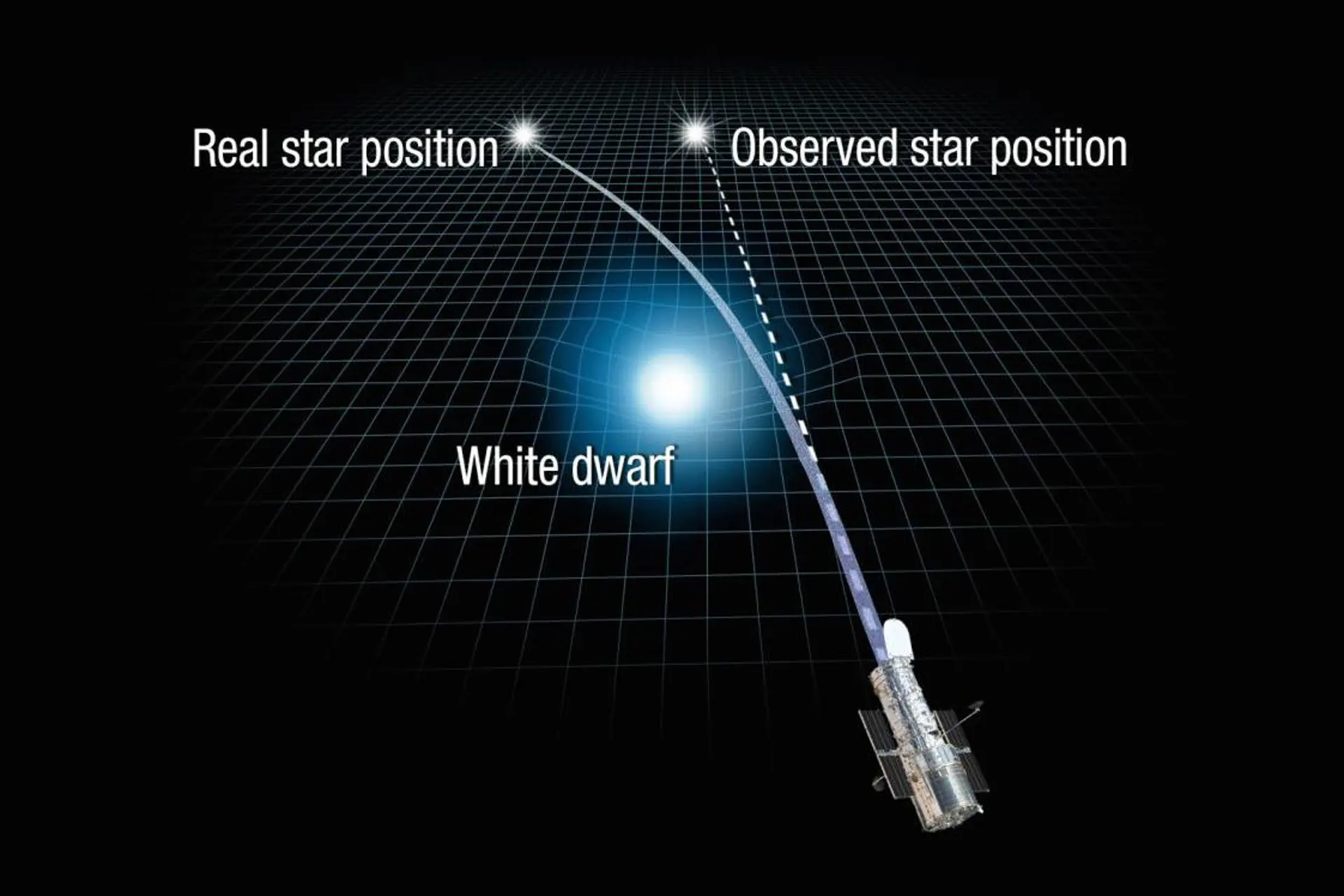
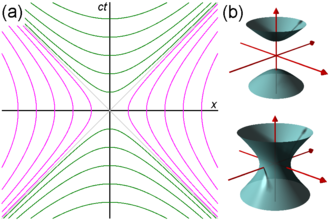
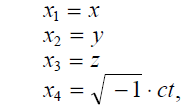
The theory of relativity presents a fascinating view of the physical universe. It presents the covariance of space, time and substantiality in the form of a four-dimensional world. Under the influence of time, space seems to acquire the palpability of substance. The concept of substance includes both the rigidity of matter and the fluidity of energy. For example, Matter becomes concentrated energy, and energy becomes diluted matter. The concept of inertia that applied to matter in classical mechanics, now gets generalized into the consistency of space. The variability of this consistency makes space appear as energy and matter in a gravitational field.
The comments at the end of this book present the following model of the universe based on Einstein’s theory of relativity:
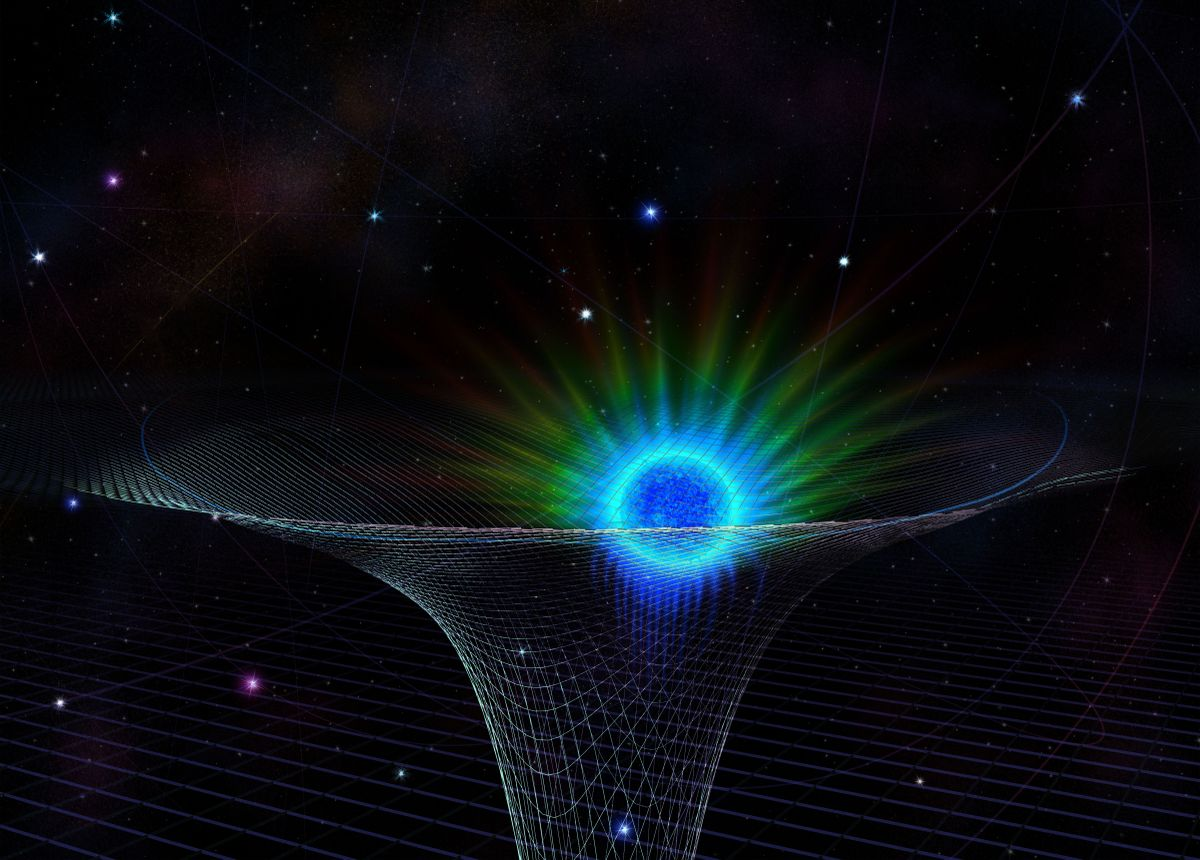
The space has substantiality, which gives it a measure of consistency. When the consistency is extremely small, the space appears as fluid energy that has a very high velocity. When the consistency is extremely large, the space appears as rigid matter that has a very low velocity. In between, the space appears as the gravitational field of variable consistency and velocity. The velocity has an inverse relationship with consistency. It is the balance of inherent motion of matter floating in a sea of energy that is perceived as the phenomenon of Gravity.
The spectrum of energy/matter based on the property of consistency suggests a vortex type pattern, which is seen repeated in nature at all scales. For example, the atoms display this pattern where the electrons form a vortex, at the center of which there is an extremely dense and small spinning nucleus. The “gravitational field” at this level appears as charge.
At the level of the solar system, planets revolve, as if they are caught up in a vortex of gravity, at the center which is a massive and spinning sun. In their turn, the spinning planets form the center of smaller vortices of gravity in which their moons are caught up.
On a much larger cosmic scale, we have solar or star systems that are caught up in a vortex of gravity which appears as a galaxy. At the center of the galaxy is an extremely dense and small spinning black hole.
All these vortices at different scales seem to be overlapping and producing a very complex pattern in which the inherent motions of the heavenly bodies balance each other in a cosmic dance. We may thus visualize the universe having a “solid” spinning center made up uncountable number of galaxies with a great periphery of curving light far away of unimaginable proportions.
This “vortex universe” is devoid of solid masses in about 99% of its volume; but that volume is filled with palpable energy. The universe may be considered to be finite yet unbounded because it seems to curve upon itself.
.