Reference: Chapter 5, The Fourth Noble Truth: The Path
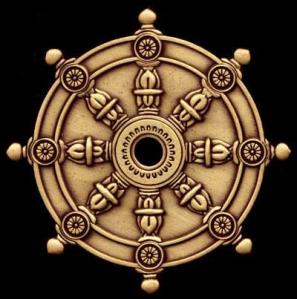
The Fourth Noble Truth is the way leading to the Cessation of Dukkha. It looks for happiness neither through the pleasures of the senses, nor through self-mortification in different forms of asceticism, but through a middle path known as The Eight-Fold Path to Nirvana. This Middle Path ‘gives vision and knowledge, and it leads to Calm, Insight, Enlightenment, Nirvāna’.
The eight categories or divisions of the Path are to be developed more or less simultaneously, as far as possible according to the capacity of each individual. These categories may be grouped into the three essentials of (a) Wisdom, (b) Ethical Conduct, and (c) Mental Discipline.
The wisdom of this path rests not on knowledge, accumulated memory, or intellectual grasping of a subject; but on seeing things in their true nature, without name and label. This penetration is possible only when the mind is free from all impurities and is fully developed through meditation. The impurities exist in the form of selfish desire, ill-will, hatred and violence in all spheres of life whether individual, social, or political.
The Buddha gave his teaching ‘for the good of the many, for the happiness of the many, out of compassion for the world’. Buddhist ethical and moral conduct aims at promoting a happy and harmonious life both for the individual and for society. This forms the indispensable foundation for all higher spiritual attainments. Thus, the ethical conduct on this path is built on the vast conception of universal love and compassion for all living beings. Here compassion represents love, charity, kindness, tolerance and such noble qualities. Such compassion then guides one’s speech, actions and livelihood.
Mental discipline has to do with developing wholesome states of mind already present in a person and bringing them to perfection. This starts with right mindfulness (attentiveness). One practices concentration on breathing, and experiences all forms of feelings and sensations, whether pleasant, unpleasant or neutral. One diligently attends to the movements of the mind, and examines all ideas, thoughts, conceptions and things, for their nature, how they appear and disappear, how they are developed, how they are suppressed, and destroyed, and so on. The right concentration, ultimately, leads to pure equanimity and awareness.
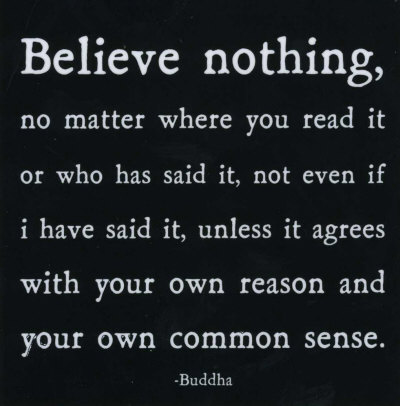
From the above account one may see that this path is a way of life to be followed, practiced and developed by each individual. It is self-discipline in body, word and mind, self-development and self-purification. It has nothing to do with belief, prayer, worship or ceremony. In that sense, it has nothing which may popularly be called ‘religious’. It is a Path leading to the realization of Ultimate Reality, to complete freedom, happiness and peace through moral, spiritual and intellectual perfection.
.