
Reference: Postulate Mechanics
- The world is all that can be known
- The beginning, end, and all in-between.
- The goal of religion is to actualize the human potential.
- In Hinduism, this goal comes under the heading of Yoga.
- Yoga means “uniting” through disciplined training of body and mind.
- .
- .
- There are multiple paths to this common destination
- Each for a basic spiritual personality type:
- Reflective, emotional, active and experimentalist.
- The first step of every yoga involves
- the cultivation of good habits.
- .
- .
- These good habits are: Non-injury, truthfulness, non-stealing,
- Self-control, cleanliness, contentment, self-discipline.
- And a compelling desire to reach the goal.
- Different spiritual personality types
- Seek the same Goa differently.
- .
- .
- The reflective personality seeks the goal through knowledge.
- He reflects deeply to get at the bottom of things.
- He knows that he is not the things that he possesses.
- He is neither the body, nor the mind, nor his personality.
- This helps disentangle Self from its lesser identifications.
- .
- .
- The emotional personality seeks the goal through love.
- God to him represents his chosen personal ideal.
- He worships God by constantly repeats God’s name,
- He directs toward God the love that lies at the base of his heart.
- This helps transfer his worldly attachments to an attachment to God.
- .
- .
- The active personality seeks the goal through work.
- He is dedicated to his work and performs it selflessly.
- He does each thing as if it were the only thing to be done.
- Having done it, he turns to the next duty in similar spirit.
- The thought of self simply does not arise on this path.
- .
- .
- The progress may be accelerated through psychophysical Exercises.
- Such exercises follow the path of contemplation.
- First one settles the bodily and sensual distractions with discipline.
- Then one settles the mental distractions by releasing them.
- Then one resolves the anomalies by contemplating over them.
- .
- .
- Different stages of life call for their own appropriate conduct.
- The first stage in life till early twenties is that of the student.
- The second stage, beginning with marriage, is that of the householder.
- The third stage of life is that of retirement from social obligations.
- The final stage wherein the goal is actually reached is the state of the sannyasin.
- .
- .
- People are different; so they occupy different stations in the social order.
- The brahmins stood supreme in honor and psychological power.
- The kshatriyas stood supreme In salary and social power.
- Next were the Vaishyas or producers, such as, artisans and farmers.
- The last were the Shudras, or unskilled laborers.
- .
- .
- God is beyond things that can be sensed.
- God is pure beingness, awareness and bliss.
- God is also the archetype of the noblest reality.
- God is the Creator, Preserver, and Destroyer.
- God is the consistent whole.
- .
- .
- As the soul passes through this world
- Living through all its incarnations.
- His present condition is the product of his past.
- His present decisions determine his future.
- This world grants all his wishes, but with consequences.
- .
- .
- It is a world of good-evil, pleasure-pain, knowledge-ignorance.
- And this is the way things will remain.
- This world is a training ground for the human spirit.
- God, souls and nature have the same divine basis.
- There are hallucinations, perceptions and superconsciousness.
- .
- .
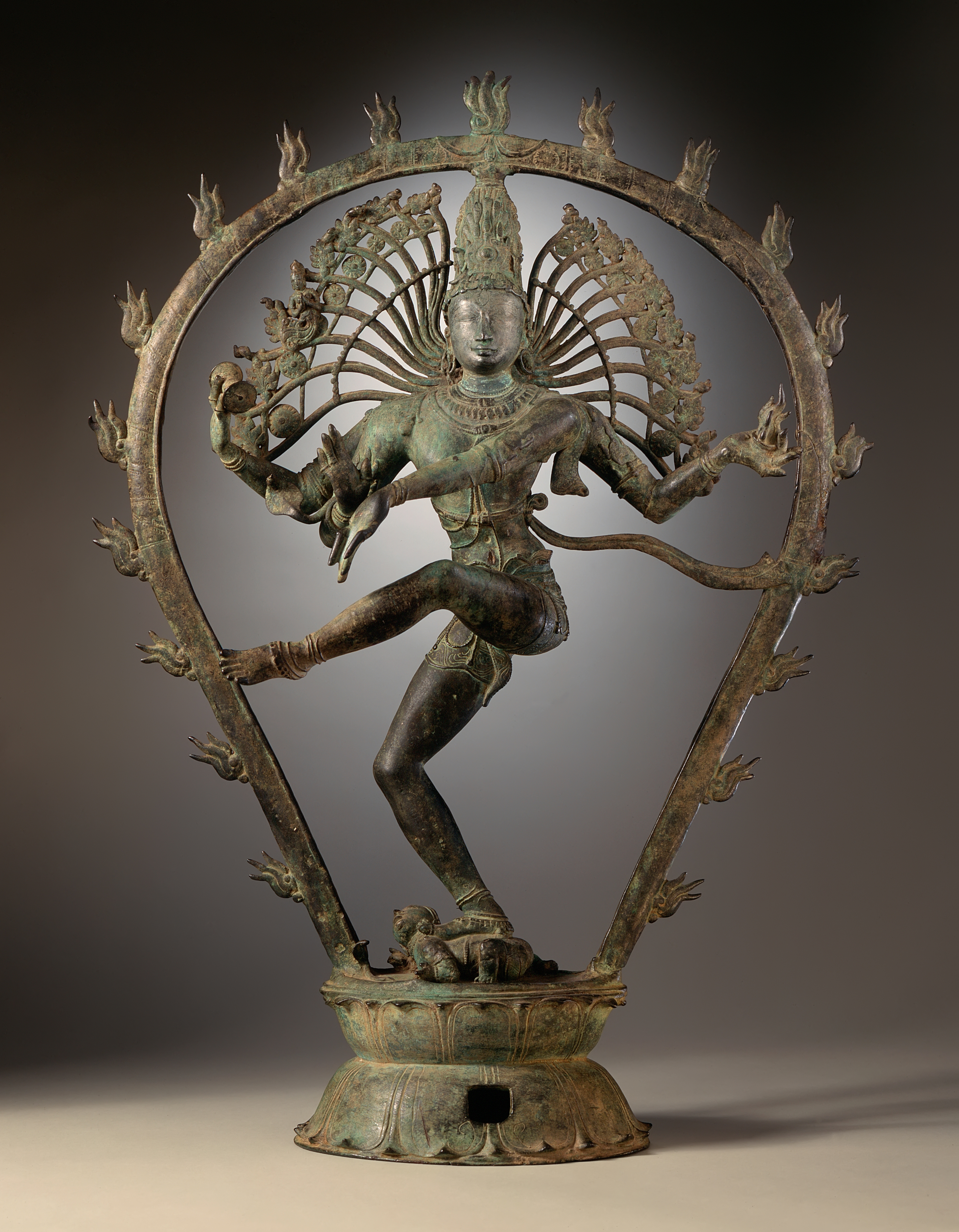
- The world is lila, God’s play.
- Everyone is like an actor on the stage.
- Seen in perspective, the world is ultimately benign.
- It has no permanent hell and threatens no eternal damnation.
- Beyond this world lies the boundless good, which all will achieve in the end.
.
